Poland's losses after the Soviet aggression. The first data is here. “We are at the beginning of the journey”


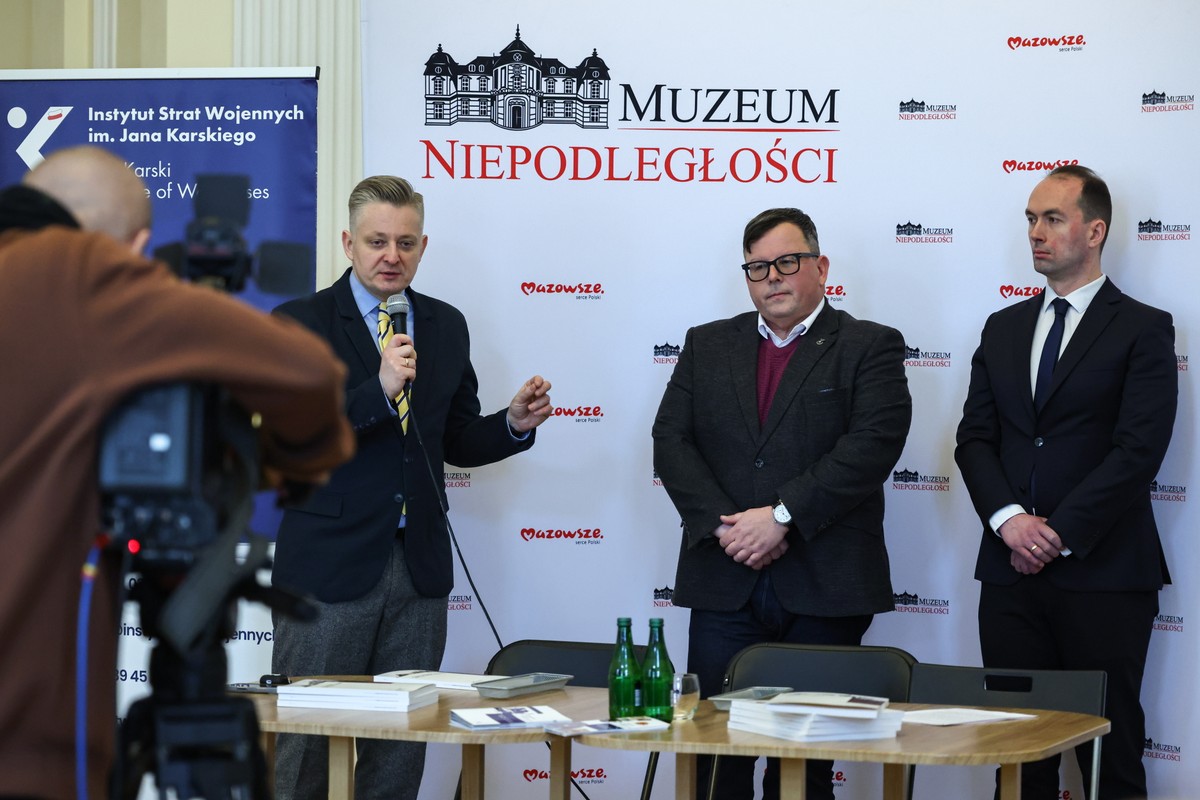
The semi-annual is to be devoted to the losses inflicted on Poland by the USSR after 1939 – both material and related, among others. with identity. Jakub Stefaniak, deputy head of the Chancellery of the Prime Minister, said at a meeting presenting the ISW periodical that the publications are intended to spread knowledge based on documents, but “based on the testimonies of people who are still alive.” He also emphasized that there are fewer and fewer of these people, and Soviet losses over the years have been “many times falsified or not disclosed”, therefore they require much more attention. – We are at the beginning of this road – he said, quoted by PAP.
See also: Poland is counting losses after the Soviet aggression. Documents were destroyed and forged
Losses after the USSR. ISW examines Polish, Ukrainian and Lithuanian archives
Director of the War Institute, Dr. Bartosz Gondek, explained that the Institute works not only with Polish archives, but also with Ukrainian and Lithuanian ones. — As we know, there is a problem with Russian archives, because most of them have been closed to such an extent that even websites that were open until recently are now disabled or severely decimated, he noted.
The first volume of the periodical – tentatively titled “Before the Disaster”, is a collection of articles devoted to, among others, the liquidation of Polishness at the University of Lviv, museum collections of the south-eastern voivodeships of the Second Polish Republic and construction. In the foreword, the director of ISW emphasized that the issue also touched upon the issue of “the still unjustly marginalized issue of the lost identity of Polish citizens who (…) were forced to abandon their small homelands in the former Borderlands and resettle hundreds of kilometers to the West.”
See also: “Fronts of War”. Dispute in the studio over the lack of a security strategy. “It's a shame she's gone”
The issue included articles on, among others: the liquidation of Polish universities in Lviv and Vilnius in 1939 and the state of land formations of the Polish Army in the Borderlands on the eve of World War II. The electronic version of the semi-annual is to be available on the ISW website.
In December, during a conference in Lublin, the head of the ISW said that those working on the “Studies and Materials of the Institute of War Losses” would be interested in the period from September 17, 1939 to the 1990s, i.e. the symbolic departure of Poland by the units of the northern group of Soviet troops.