LAST TIME The Mercosur Agreement, delayed by the vote of the EU Parliament. Chancellor Merz requests its provisional application. All eyes on the decision of the European Commission


The delay now raises the question of whether the EU executive will provisionally apply the agreement pending a decision by the EU Court of Justice – a move that will throw the Brussels executive into conflict with the European Parliament, write Reuters and Politico.
The European Parliament on Wednesday sent the trade deal between the EU and the Mercosur bloc (Argentina, Brazil, Uruguay and Paraguay) to a judicial review in a vote that could delay its entry into force by up to two years.
With a majority of only 10 votes, MEPs supported a resolution requesting the opinion of the EU Court of Justice on the conformity of the texts of the EU-Mercosur agreement with the EU treaties. The motion was passed – to the applause and cheers of its supporters – with 334 votes in favor, 324 against and 11 abstentions.
Parliament will not be able to vote on the deal on the merits until the Court issues its opinion – a process that usually takes 18 to 24 months.
Merz demands the provisional application of the treaty
The delay now raises the question of whether the EU executive will provisionally apply the deal pending the Court's decision – a move that will throw the Brussels executive into conflict with the European Parliament.
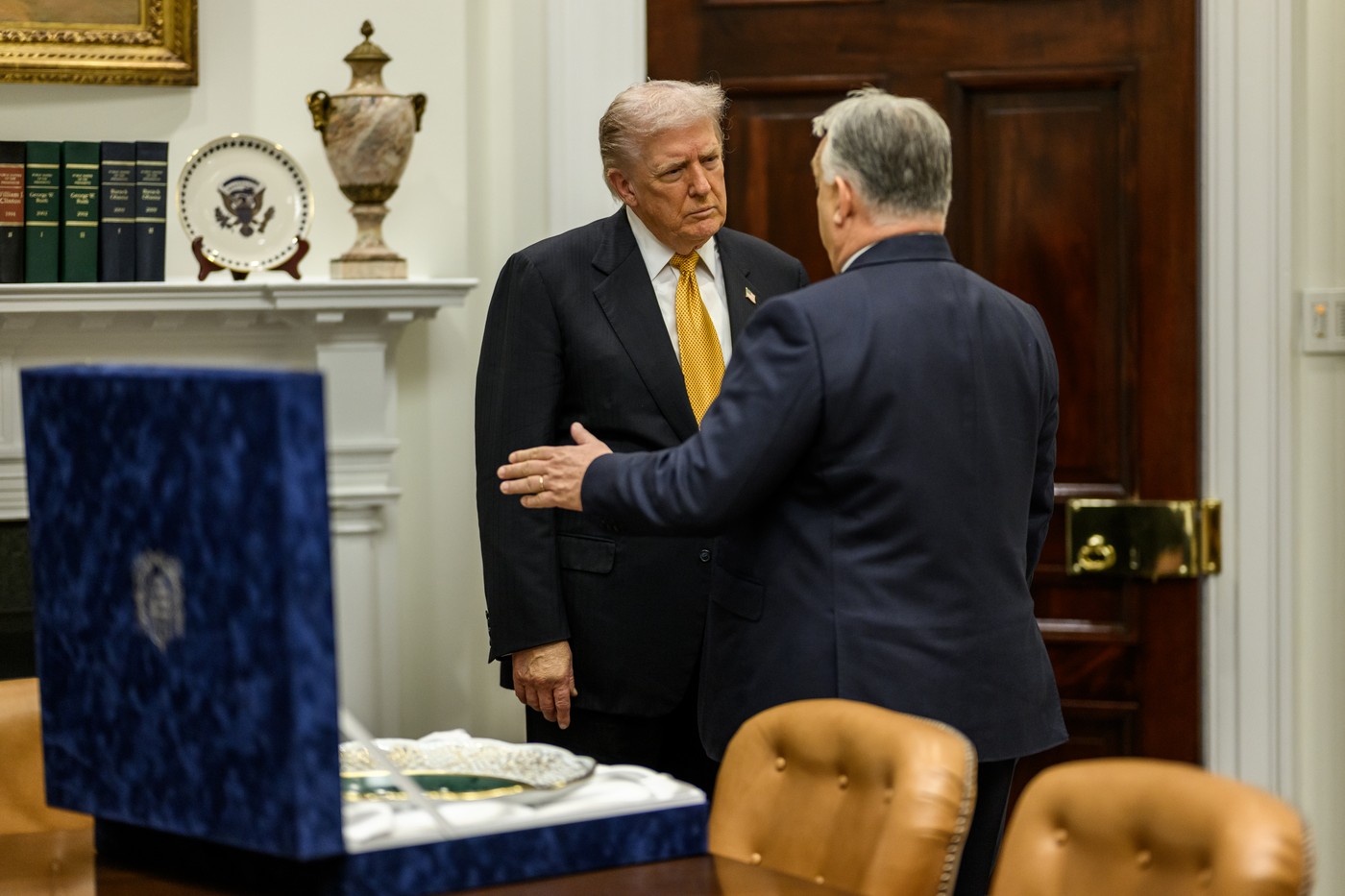
Chancellor Friderich Merz, who criticized the vote in the European Parliament, called for provisional application.
“The decision of the European Parliament on the Mercosur agreement is regrettable. It ignores the geopolitical situation. We are convinced of the legality of the agreement. There is no need for further delays. The agreement must be applied provisionally now,” he said.
Theoretically, the European Commission has the power to provisionally apply the trade agreement immediately after its signing. For now, however, the European executive gave signs last week that it does not intend to do so for the time being.
“To be clear: no decision has been taken on the provisional application of the Mercosur agreement,” a European Commission official said Thursday in a discussion with journalists.
A defeat for the European Commission
The result of the vote in the European Parliament represents a major defeat for the European Commission and countries that support the deal, which want to deepen relations with the Mercosur countries – Argentina, Brazil, Paraguay and Uruguay – and see the deal as the perfect opportunity to strongly oppose the tariffs imposed by US President Donald Trump.
“The more trading partners we have worldwide, the more independent we are. And that's exactly what we need now,” European Commission President Ursula von der Leyen said on Wednesday in a last-minute call to lawmakers.
Bernd Lange, the chairman of the Parliament's international trade committee, condemned the result of the vote.
“Absolutely irresponsible. It's an own goal,” Lange wrote on X. “Those who oppose #EU #Mercosur should vote no in the approval procedure instead of using delaying tactics under the guise of legal review. It's very damaging to our interests and economic position. Team Europe is putting itself out of the game,” he said.
PSD announces that it has voted to send the agreement for review
“The PSD MEPs' vote decisively tilted the decision of the European Parliament in favor of the verification of the Mercosur Agreement by the Court of Justice of the European Union!”, a PSD press release announced on Thursday.
“The decision of the European Parliament to request the CJEU to analyze whether the Mercosur Agreement respects the European treaties was adopted with a majority of 334 votes in favor, compared to 324 votes against. The 10 votes of the PSD MEPs made the difference!”, stated the statement.
“As promised, the PSD voted to protect Romanian farmers and the agricultural sector in Romania and in Europe. The vote expressed today in the European Parliament will suspend the procedure for adopting the Mercosur Agreement until the ruling by the CJEU”, PSD also said.
The agreement was signed on Saturday
The European Union and Mercosur signed a historic trade agreement on Saturday in Asuncion, Paraguay, marking the end of 25 years of negotiations between the EU and the Mercosur states and the official creation of the largest free trade area in the world, with over 700 million inhabitants, representing 30% of global GDP, reports AFP.
The agreement was negotiated since 1999 between the European Union and the Mercosur founding countries (Argentina, Brazil, Paraguay, Uruguay). Most of the European states supported it recently, despite the opposition of several countries, including France.
“We choose fair trade instead of tariffs, a long-term productive partnership instead of isolation. And above all, we intend to bring concrete and tangible benefits to our citizens and companies,” said the President of the European Commission, Ursula von der Leyen, signing the agreement.
This is a “clear signal in favor of international trade” in a context of “tensions”, declared, for his part, the president of Paraguay, Santiago Pena, whose country holds the rotating presidency of Mercosur.
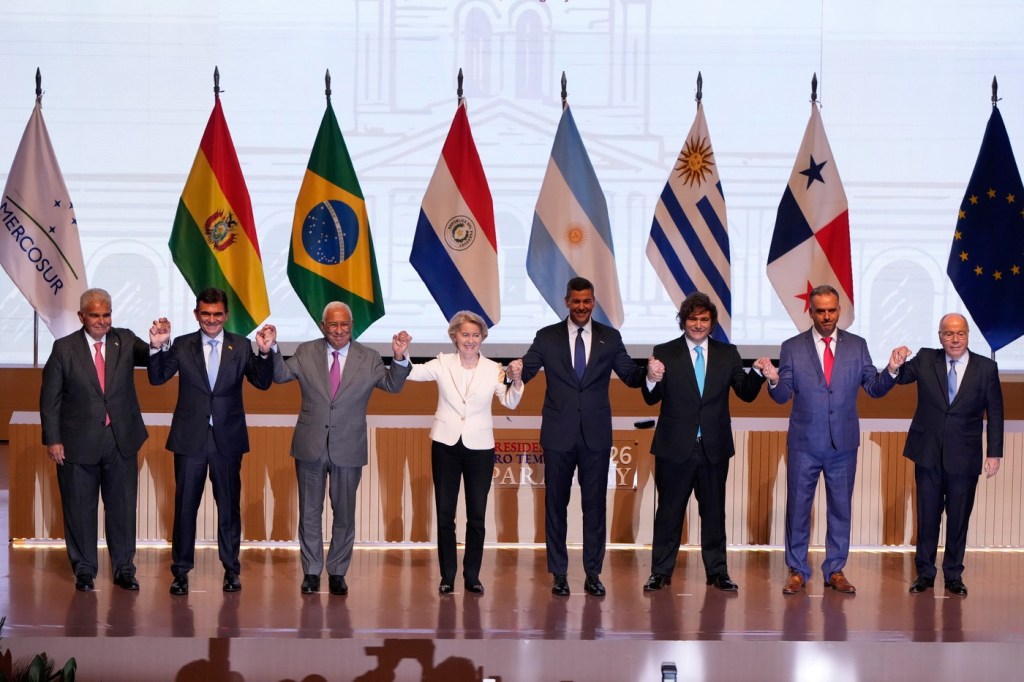 VIDEO Von der Leyen signed the EU-Mercosur agreement: “We choose fair trade over tariffs”
This agreement eliminates customs tariffs for over 90% of trade and boosts European exports of cars, machinery, chemicals, wines and spirits. Instead, it facilitates access to the European market for meat, sugar, rice, honey and soybeans from South America.
Its signing takes place in the context in which US President Donald Trump has increased numerous customs duties in the last year.
Major protests against this treaty took place in several EU countries, while large parts of civil society in the Mercosur countries also oppose the agreement.
The treaty ran into opposition from farmers and animal breeders in several European countries, who mobilized in strong demonstrations against its signing in France, Poland, Ireland and Belgium.
The text was approved within the EU with the support of 21 of the 27 member states.
Advantages and risks
From Brussels' perspective, the deal represents a major geopolitical victory, given the competition with China and the tariffs imposed on the EU bloc by US President Donald Trump.
Mercosur countries have high taxes – 35% for car parts, 28% for dairy products and 27% for wines, for example.
Countries such as Germany and Spain say the deal is a vital element of the EU's efforts to open up new markets.
But opponents, led by France, the European Union's biggest agricultural producer, said the deal would increase imports of cheap food products including beef, poultry and sugar, undermining domestic agricultural producers.
It is also why EU farmers have announced their opposition to the current form of the agreement.
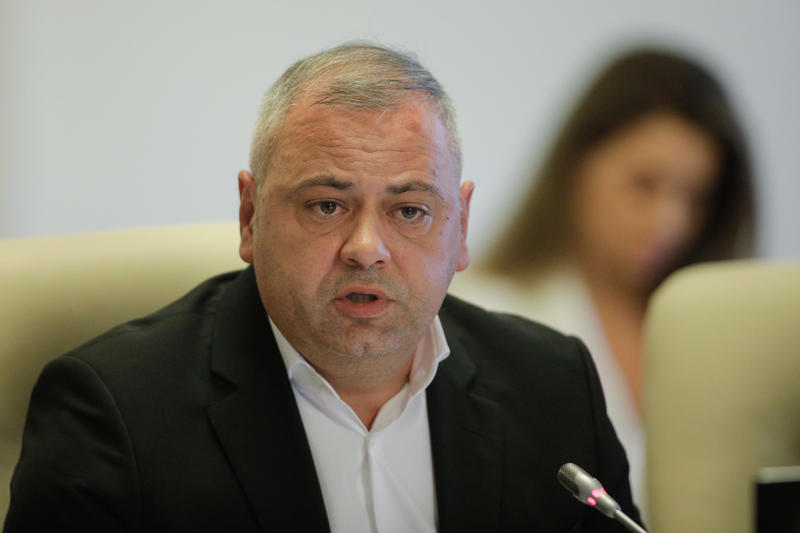 How did the PSD Minister of Agriculture justify the refusal to sign the memorandum on the EU-Mercosur trade agreement / Romania finally voted for adoption
The Commission included in the deal, among other things, safeguard clauses that will allow the EU to suspend duty-free imports of certain products if markets are under pressure, and promised tighter border controls – but many are still not satisfied with this protection.
Last week, France, Poland, Austria, Ireland and Hungary expressed their opposition, while Belgium abstained. All other states voted to sign the agreement.
Romania also voted for the signing of the agreement – although the PSD announced that it was against it, a position also shared by farmers' organizations in Romania.