Interview with a Romanian who has lived for 20 years in Minnesota, where Trump said he can send the army. “The solution for when darkness comes? We try to educate our children to love people”


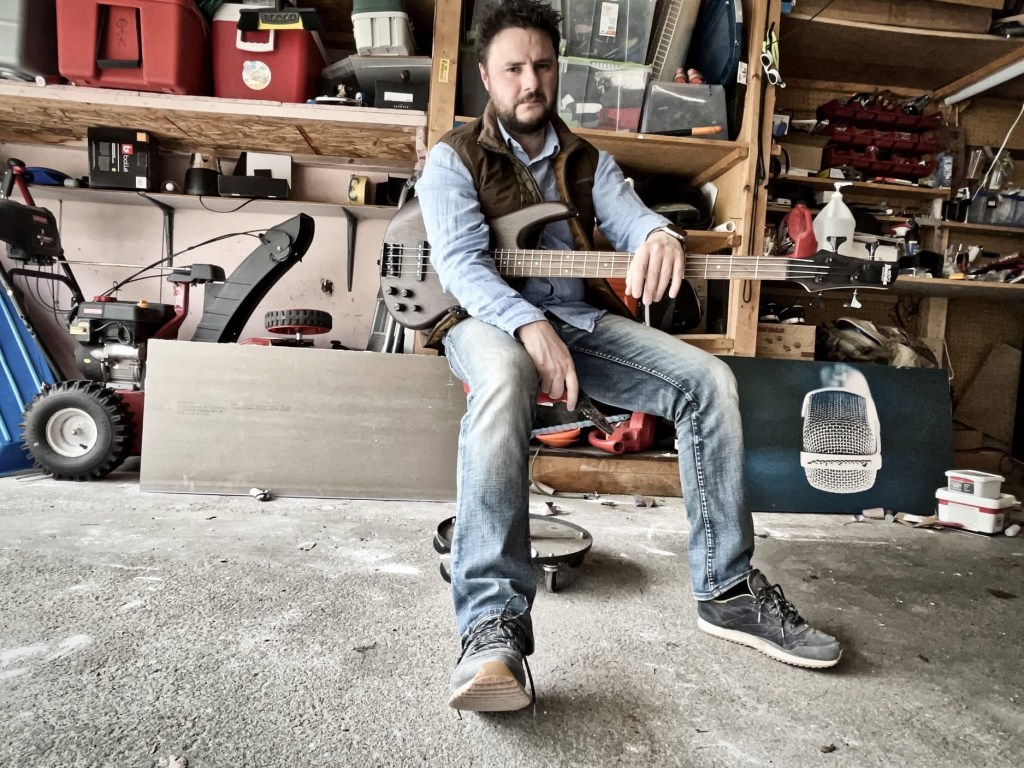
Romel Mircea Roman from Brașov arrived in the USA through the visa lottery. He became an American citizen in 2012. He is an automation engineer.
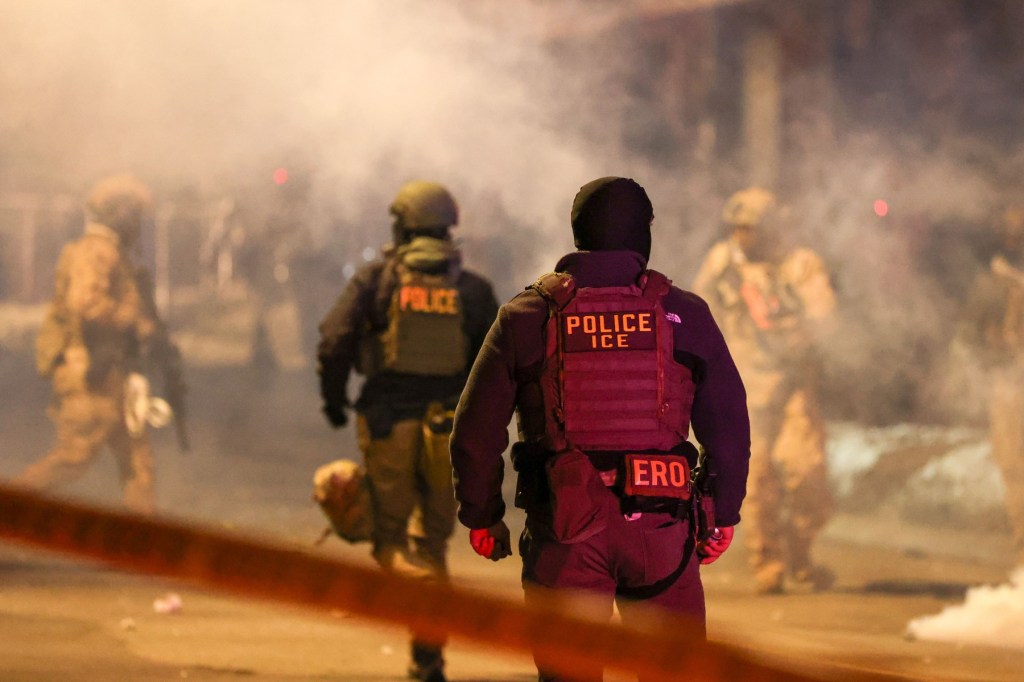
It started like this: On January 7, in Minneapolis, Minnesota, a federal ICE agent killed Renee Good, a 37-year-old mother and American citizen. She refused to get out of her car at ICE's orders. From that moment on, American society, already polarized, divided once more. People in the city demonstrated against ICE and against Trump, others blame the protesters, the president from the White House said that he may send the army. How does a Romanian see all this?
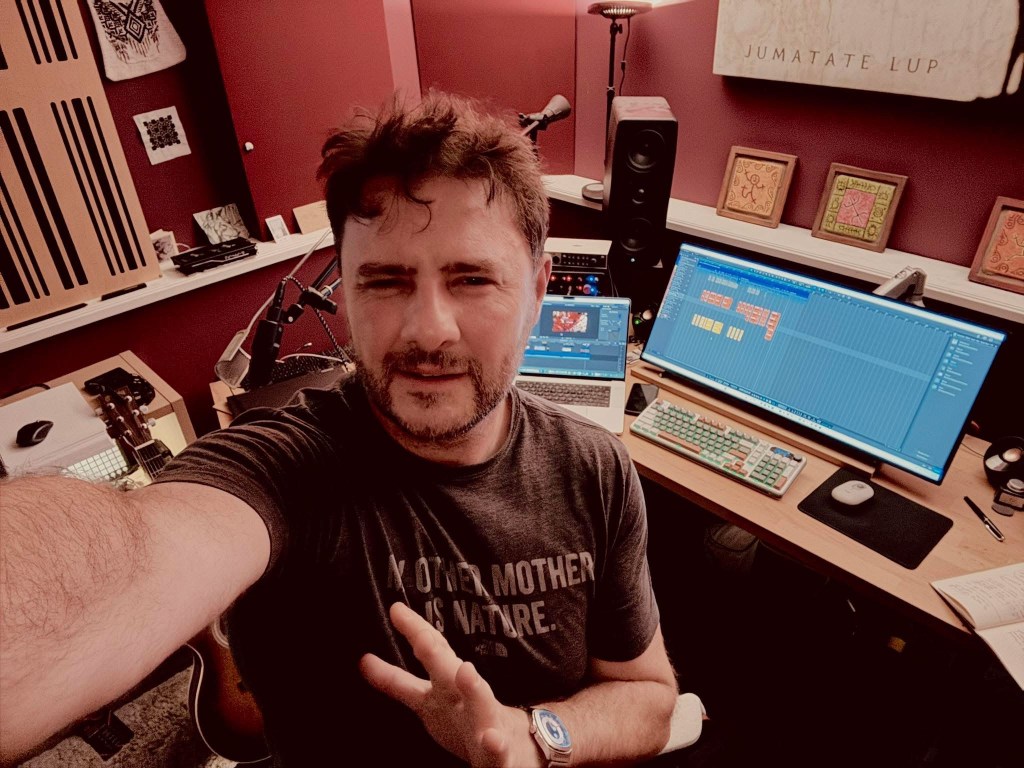
Engineer and folk performer
Romel Mircea Roman moved to Minnesota 20 years ago after his wife won the Visa Lottery. He says they chose Minnesota because of better job opportunities than in other US states and because the educated population was larger.
Romel Mircea Roman is an automation engineer and grew up in Brașov. He is also a musician, known for his folk songs, which were played on several radio stations in Romania. Since 2012 he is also an American citizen.
How is the cultural adaptation? “Culture is a broad spectrum, not only the culture of work and this culture of consumerism, but everything that affects your immediate life.” He was helped by the fact that he met Romanians who were already there and who explained to him how things were going. And even if he now feels integrated, he is thinking of coming back to Romania someday, but he thinks that it is “a double-edged sword, because even in Romania these situations happen where you feel like a stranger at home”.
20 years without so much “negative information”
-How are these days for you?
–We feel tension and restlessness. It's very hard to explain. We, since we have been here, have never experienced so much commotion and so much negative information. The atmosphere is obviously tense. The city where I live is 22 miles from Minneapolis, so it's kind of far from the center of gravity of the action, but at work and everywhere else we cross paths with people who are in direct contact with what's going on there. I can't find the right words to articulate what happens when you feel that you don't have or are not being respected for some fundamental rights.
The boy protested, he didn't
–Did you go out to the protests? Do you have Romanian friends who go out to protests?
–I didn't have the opportunity to go out to the protests. We also have a very busy schedule after work hours and on weekends. It's hard to get there. Being a parent as well, it's a bit over the top. It also depends a little on this willingness to take risks. We are citizens, but we are naturalized.
We are not born here, which changes the facts of the matter a bit. I know people who were at the protest, and I would also add that my oldest son, in his high school class – along with all the classes, for that matter – went out to a silent protest in the high school yard, opposite what is happening in the city.
-Are you afraid?
–I do not fear for the safety of myself and my family. Or fear is not the right word. But once again, it feels so unsettling, and we often talk about these tragic events that, willy-nilly, rush upon us.
“The police are here to protect us”
-Do you have acquaintances who are afraid because they are immigrants (not only Romanians) and they can be arrested or deported?
–Yes, we all have acquaintances who are afraid because they are immigrants. I also know a few people whose documents are not quite right. They can be jumped immediately, without any warning and that generates, so to speak, this state where you don't know what awaits you tomorrow.
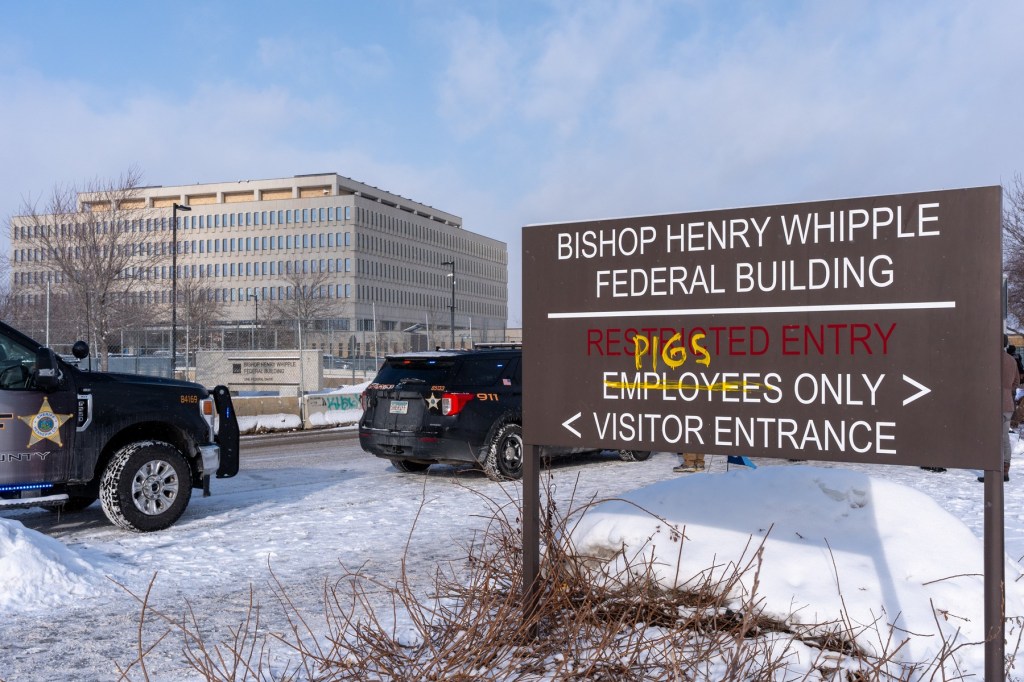
Well, the police say they're here to protect us, regardless of our status. I'm talking about the local police, the sheriff's office. They act for the safety of any individual in the city within their range. From this point of view, we as a community feel safe.
ICE has “infinite immunity”
– What about ICE?
–The police – so not ICE – are with the population, they have not signed any kind of agreement with ICE to facilitate their actions. But everything can change. ICE agents are federally empowered, so they are federal agents whose powers exceed those of the police.
ICE's powers are somehow given by President Trump and it's clear that their agents have immunity. And here I would add a personal note: they have infinite immunity, you can't touch them. If someone gets detained, you don't know if you'll hear from them again.
As far as I understand, you have to make a request and only after 14 days you get an answer. So after 14 days maybe, maybe you get some information about that person, if that person was detained.
You don't know where she's taken, the contact is completely broken. I don't know exactly what happens once you're jumped. This is disturbing. There were situations when the mother who came with the children from shopping, it seems to me, was taken and the children were left in the car for I don't know how long. That was somewhere in California. And when you see and hear about these situations, you think the worst, especially if you are a parent.
-How have attitudes towards Donald Trump changed, since the ICE raids began, in your close group?
-In the vast majority of our circle, we are, let's say, shocked. And beyond this feeling of shock is this state of general alertness. And these are real things, things that happen here, in the land of all dreams. The American dream that now seems further than ever.
Discussions with children
-How do you explain to children what they see on the news or on the streets? What do you advise them?
–The eldest, who is 16 years old, understands very well what it is about. The youngest is 11 years old and I think he also intuits what the state of affairs is. So I don't think it's about advice. We try to educate them with empathy and love for people. I think that's the most important thing as far as I'm concerned, at least.
–What do you hope will be good?
–The present situation frightens and enrages us greatly. It's very hard now to think that it could be worse than that. Therefore, it must be better. I know, it's naive, but here voting is still important and maybe that's where the hope for better comes from. This year, in November, there are elections for the Senate and Congress, when both chambers are expected to be Democratic. In this case, I think there will be some consequences, but what they will be it's hard for me to say.
I also think that, although there is a long way to go until then, there will be other repercussions as well. And when I say repercussions, maybe that's too big a word, but someone is going to have to deal with what's happened so far. They are actually dead people, shot. Because they had a choice between: either you do as I say, or I shoot you – or that's not really freedom. And these are the things that bother me.
There is darkness in the soul and dirt on the street. I hope it ends soon.