The discussion around NABU is back. The cases are getting louder, but there are no verdicts

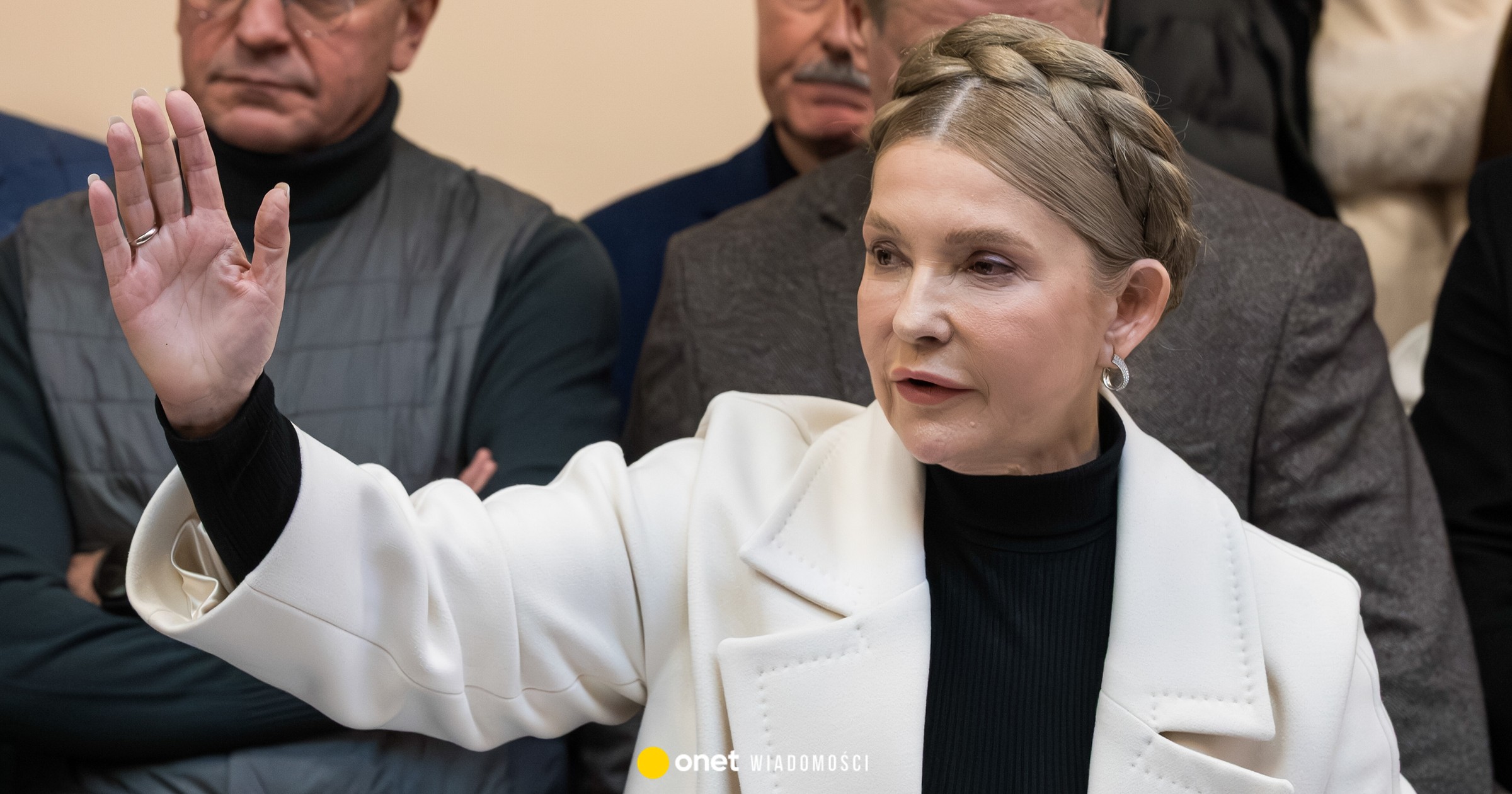
The main question that has been appearing in Ukrainian society for several years is: why is no one serving a sentence with such a large number of high-profile cases? And can Ukrainian anti-corruption bodies be considered effective in such a case? The case of Yulia Tymoshenko looks like part of a repeating scenario – recordings of conversations, some accusations, news in the media. And there are many doubts whether this case will have any continuation.
What are the main problems with verdicts in corruption cases in Ukraine?
When was the National Anticorruption Bureau of Ukraine established?
What were NABU's goals after its creation?
Why is there low public trust in anti-corruption bodies?
How NABU was created and what role it was supposed to play
The National Anti-Corruption Bureau of Ukraine (NABU) was established after the Revolution of Dignity in 2004. The Law on NABU was adopted in 2014, and the body began its actual operations in 2015. Its task was to investigate corruption crimes of top officials – ministers, MPs, judges, managers of state-owned enterprises. At the same time, from the very beginning, NABU was created as an independent body
— The manager is selected through a competition, and the competition committee includes independent foreign experts. He is subordinate to neither the president nor the government. This ensures procedural independence and formally makes NABU one of the most independent law enforcement agencies in Ukraine. By the way, this procedural independence is now making itself felt, political scientist Volodymyr Fesenko tells Onet.
Independence does not automatically mean effectiveness. 10 years have passed since its establishment. Therefore, the main question, which of course has been asked for a long time, is: what are the results?
Ten years. Where are the verdicts?
Ukrainian experts say the main problem is that there are high-profile cases but no verdicts. Even in periods of particular activity activity, which took place immediately after its establishment and which we have observed recently.
— Cases are being initiated, loud statements are being made. But verdicts are few and far between. The case of Roman Nasirow (former head of the State Tax Service) has been ongoing since 2017, and the verdict was announced only last year. And the fine was PLN 17,000. hryvnias (about PLN 1.4 thousand), even though the losses involved tens of millions. This looks absurd. The case of Mykola Martynek (accused of embezzlement of state funds) – one of NABU's first high-profile cases – is still pending in court. Almost 10 years without a sentence. And 10 years is the limitation period, says Fesenko.
Taras Zahorodnij, an expert on Ukrainian politics, agrees with him and admits that there were many cases but no verdicts. —Cases were loudly opened and then closed just as quietly due to the statute of limitations. Thing [byłego ministra infrastruktury] Andriy Pyvovarski, the Martynenka case, the story with the so-called “special agent Kateryna”, the Rosenblat case — it all ended in nothing – says the expert.
Why are there no results?
The reason for the lack of results is a number of factors. The first is the Ukrainian legislation itself, which allows the corrupt to avoid punishment. — Our procedural law allows for artificial delays in court proceedings. Attorneys can drag out cases for years until the statute of limitations expires, Fesenko says.
What allows lawyers to drag out cases for so long? The answer lies, among other things, in the quality of the investigations conducted by NABU.
— The problem lies in the methods of investigation. For example, methods were used that in Ukraine cannot constitute evidence in court, as was the case in the case of “Agent Kateryna”. Then NABU actually used bribery provocation. However, this is prohibited in the European legal system. An undercover agent cannot initiate a crime on his own, Zahorodnij says.
Another obvious problem is deposits. Overall, this practice is of course common throughout the world. However, in reality in Ukraine it works to the advantage of those accused of corruption.
— Here is an example – a person is accused of corruption, a huge bail is set – millions of hryvnias. And she is released. Logically, these deposits are often paid with money derived from corruption through some shell companies. Such a company may have 10,000 on its account. hryvnia, but pay a deposit of 50 million. It looks absurd, explains Fesenko.
Another problem that experts point out is too much transparency. The names of people involved in the cases are revealed, interrogation reports and documents are published even before the trial begins. Information constantly reaches the media, the public watches videos and photos, everyone knows where, when and by whom the inspection will be carried out. On the one hand, this violates the secrecy of the investigation, but on the other hand, it provides an opportunity to prepare.
New cases – will there be verdicts?
Experts are hopeful, but they are not sure whether the public will also see verdicts in the new cases. Zahorodnij gives the example of the recent searches in Yulia Tymoshenko's office.
“There's nothing there that would constitute a crime. There are some records she denies and money found during the search. She says, “It's my money.” And what next? He is not a poor person, everyone knows that, he may have money. And where are the banknotes marked? Where is the evidence of a bribe? Where is the crime documented? Without it, there is no crime, he says.
— In the case of Oleksiy Chernyshov (former Deputy Prime Minister of Ukraine), half a year has passed since he was charged. We don't know what's next or how the case is progressing. In the “Mindichgate” case – the case became known on November 10, two months have passed, there are still no charges. This all raises questions. When there are no verdicts for years, when people are released on bail amounting to tens or hundreds of millions of hryvnias, often paid by who knows who and with what money, it causes irritation and reduces trust in anti-corruption bodies. Therefore, we will not make diagnoses. But now it is very important that all these high-profile cases continue throughout the year. And we will hope for it, says Fesenko.
Both experts claim that society's trust in anti-corruption bodies is not high, just like in other institutions. The last demonstration in Ukraine, during which people took to the streets to ensure the independence of anti-corruption bodies, was not a demonstration of support for NABU, but a manifestation of support for the process of fighting corruption.
Therefore, experts say that effective mechanisms are needed. — In my opinion, changes in legislation are necessary. The issue of deposits should be clearly regulated, in particular who has the right to pay them and from what sources. Currently, we are observing situations in which the deposit is paid by front companies specially established for this purpose, and no one actually checks the origin of the funds, says Fesenko.
— We cannot give up on anti-corruption bodies. I think a complete rotation is needed. Anti-corruption bodies should be staffed by people who served in the army, saw the war, and know what corruption is in practice – when the drone did not reach the front. They won't play politics. There must be purification and control, says Zahorodnij.