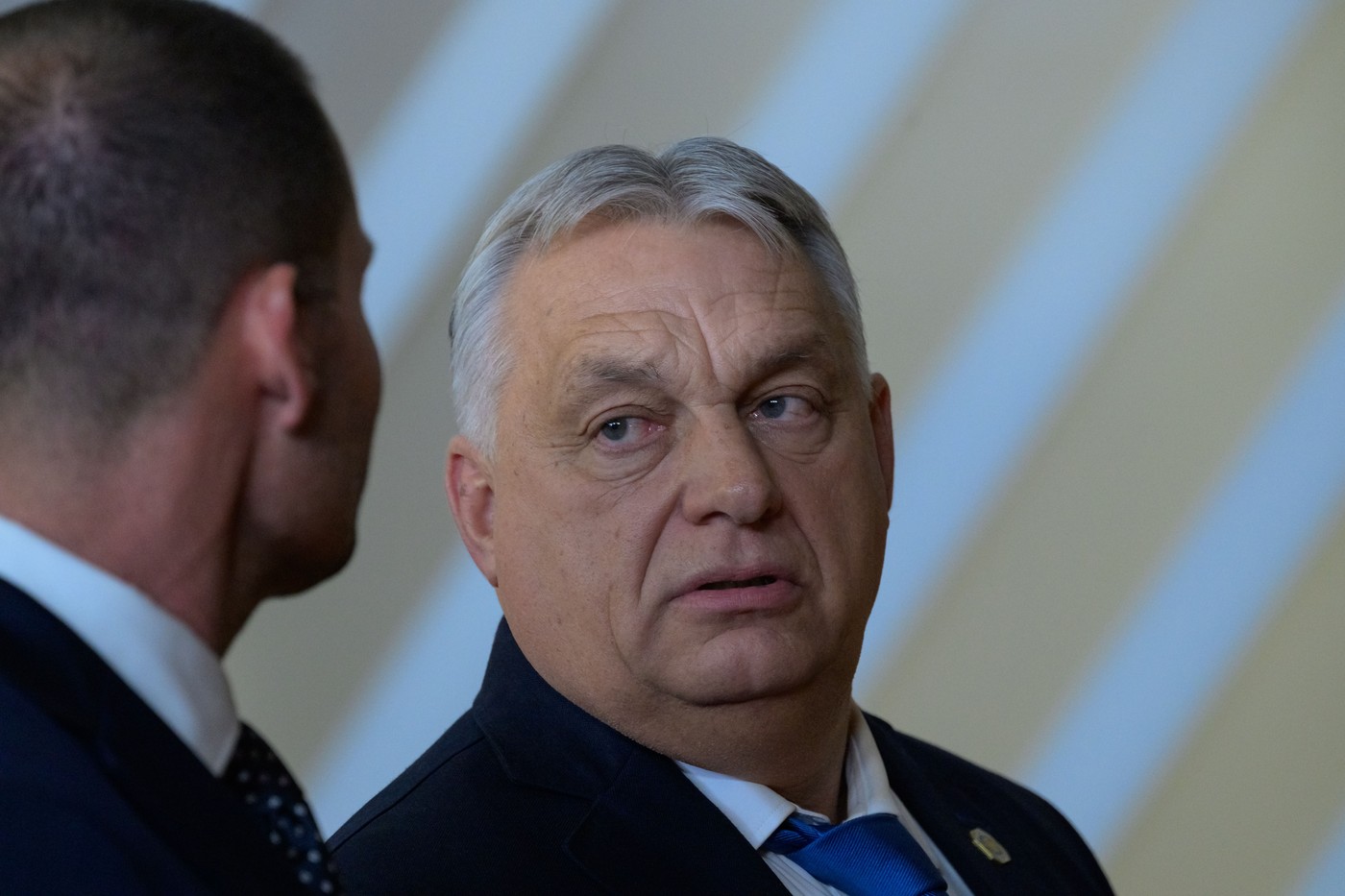
The meeting that could decide the fate of Greenland, NOW in the USA. JD Vance and Marco Rubio meet with delegations from Copenhagen and Nuuk. Denmark is represented by the man who faced Trump in a moment of balance for NATO

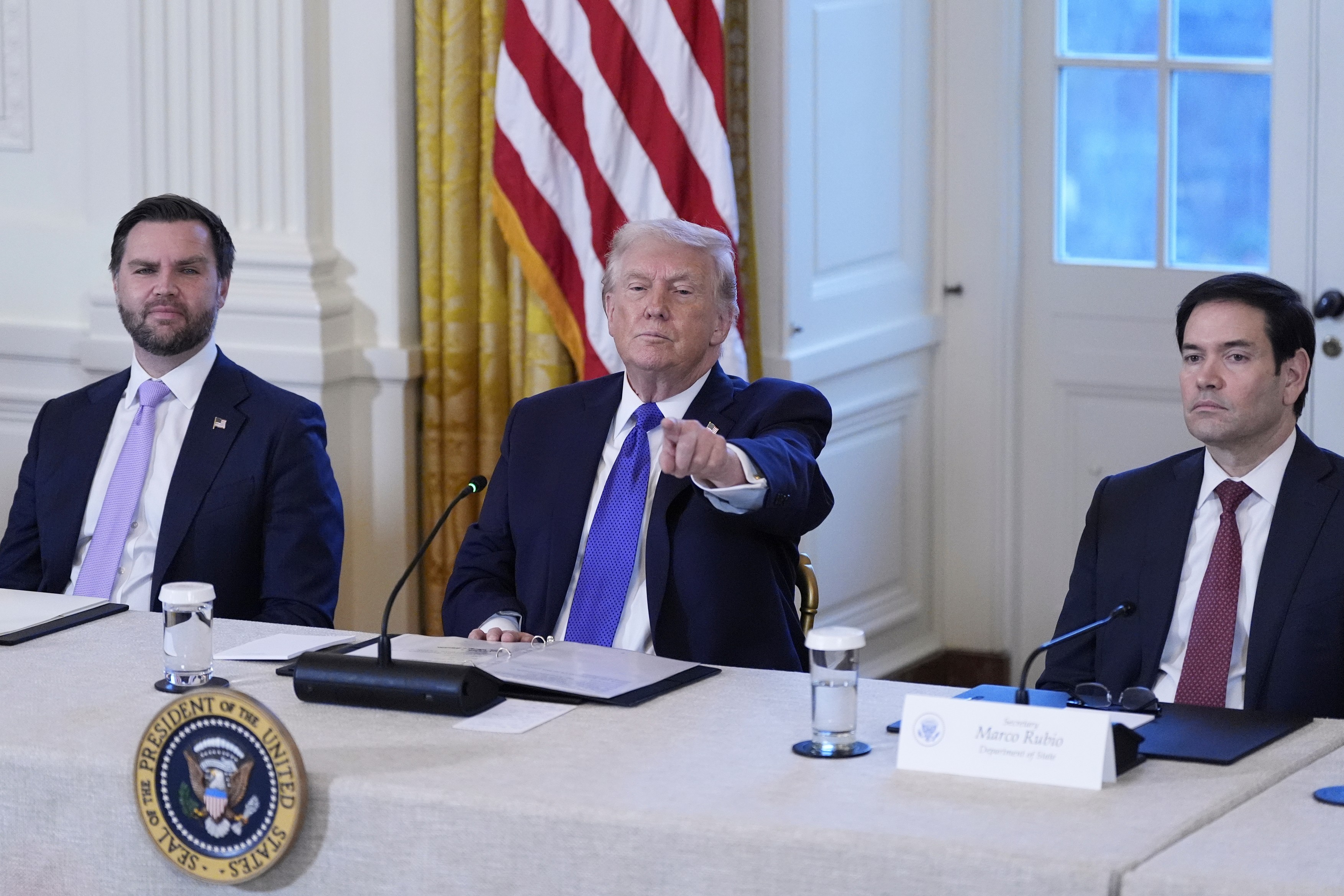
US Vice President JD Vance and US Secretary of State Marco Rubio are meeting in Washington on Wednesday at 17:30 Romanian time with the foreign ministers of Denmark and Greenland in a meeting marked by new explosive declarations by President Donald Trump regarding the need for the US to take control of the island.
The Danish public broadcaster TV2, picked up by The Guardian and other international publications, says that the summit has been moved to the last hundred meters and that it will no longer take place at the White House, but the nearby Eisenhower Building, which houses Vance's ceremonial offices.
TV2 speculated that the move could be interpreted as an attempt to reduce tensions by choosing a location further away from Trump, especially after his latest comments.
“The United States needs Greenland for national security purposes. It is vital to the 'Golden Dome' we are building. NATO should be leading the way for us to get it. IF WE DON'T, RUSSIA OR CHINA WILL, AND THAT WILL NOT HAPPEN!”, the US president wrote in a message published on his Truth Social social network a few hours before the meeting.
“Militarily, without the vast power of the United States, much of which I built during my first term and which I am now taking to a new and even higher level, NATO would not be an effective force or deterrent – not even close! They know it, and I know it. NATO becomes much more formidable and effective with Greenland in the hands of the UNITED STATES,” the White House leader continued.
“Anything less than this is unacceptable. Thank you for your attention to this matter! DJT President,” Donald Trump concluded his message.
The information on moving the meeting has not yet been confirmed by the American media.
Last minute announcement of Greenland and Denmark
Shortly before the scheduled start time of the meeting, the government of Greenland and Denmark's Ministry of Defense announced that there would be an increased military presence in and around Greenland from Wednesday, citing “security tensions”.
“Security tensions have increased in the Arctic. Therefore, the Government of Greenland and the Ministry of Defense have decided to continue the intensified exercise activity of the Defense Forces in Greenland, in close cooperation with NATO allies,” the Greenlandic government said in a statement.
Denmark said that as part of this increased presence in the Arctic and North Atlantic, the Danish Armed Forces are “deploying, starting today, capabilities and units in connection with exercise activities, which will in the coming period lead to an increased military presence in and around Greenland, consisting of aircraft, ships and soldiers, including from NATO allies.”
Earlier, NATO Secretary General Mark Rutte said Greenland's security was non-negotiable and said all allies agreed on the importance of security in the Arctic, and warned that NATO must be vigilant about China and Russia's activities in the region.
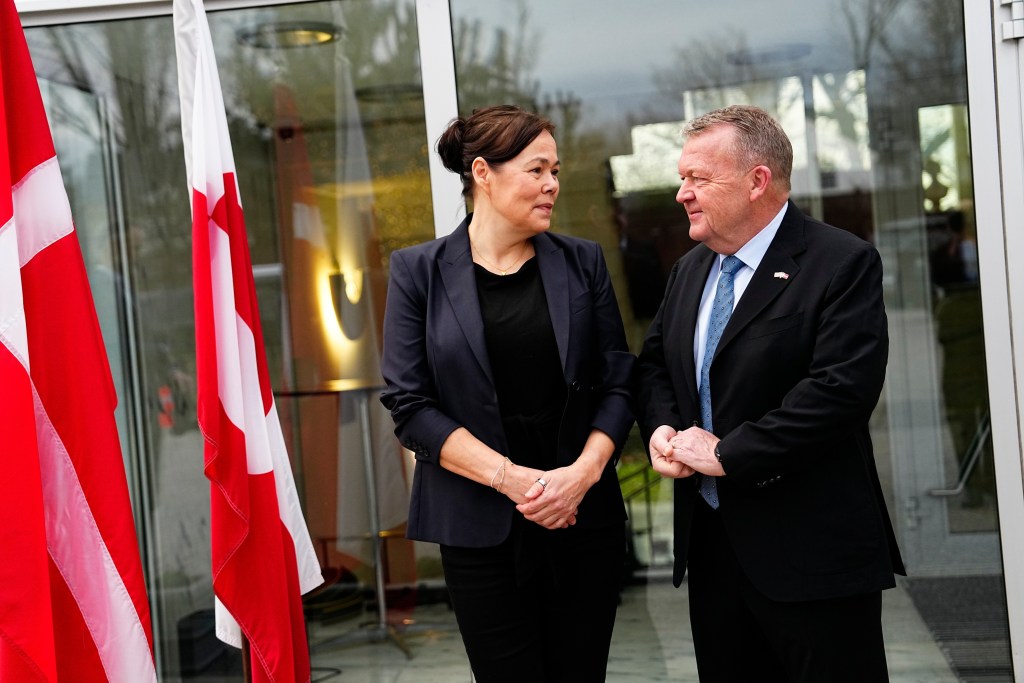
Vivian Motzfeldt, the foreign minister of Greenland, and Lars Løkke Rasmussen, the foreign minister of Denmark, will attend the meeting with the US representatives. Rasmussen was also prime minister of the Nordic country between 2009 and 2011, and then again between 2015 and 2019.
How Rasmussen took on Trump
Jens Stoltenberg, the former NATO secretary general, recounted in a book published last year one of the most tense moments he ever witnessed, when President Donald Trump confronted European leaders, treating some harshly, during his first term as president.
The meeting took place in 2018 in Brussels, with Stoltenberg saying that during it he feared that day could mark the end of NATO, after the American delegation had already packed its bags and was ready to leave.
“The moment I had been dreading had arrived: the one I had been anticipating ever since the phone call twelve days ago, when Trump had said that the United States would remain in NATO only if Germany and the US contributed equally. 'I'm leaving this meeting, I have no reason to stay,' Trump said,” according to Stoltenberg's account.
He recounted what happened next, after the spirits had calmed down:
“The nods around the table made me think for a moment that the day and the Alliance were saved. But no. Not counting the Danish Prime Minister Lars Løkke Rasmussen, who raised his arm, activated his microphone and made it clear that he refused to give up his right to speak. The implicit consensus of the others was not enough; the Danish Prime Minister wanted to intervene.
A former colleague whom I appreciated for his pragmatism and cordiality, Løkke Rasmussen deeply disturbed me at that time. By yielding to him, I risked others asking to speak, thus rekindling the debate I had almost ended. I sincerely doubted that any Danish national stake would have justified such a diplomatic risk.
Reluctantly, I gave him the floor. He began cautiously, recalling the importance of solidarity in times of crisis and emphasizing his support for a fair sharing of burdens. Then, looking at Trump, he paused before stating:
“The division of tasks does not only refer to financial resources, Mr. President. It involves blood and personal sacrifice. There are five million of us in Denmark and we lost forty-five soldiers in Afghanistan in an operation launched in response to an attack on the United States.'
The Danish Prime Minister continued, strengthening his argument. After a morning marked by the American president's reproaches to the Europeans – considered absent, underfunding the defense and taking advantage of the United States – Lars Løkke Rasmussen seemed to have had enough. With a trembling voice, almost with tears in his eyes, he added:
“Relative to our population, Denmark has lost more soldiers in Afghanistan than the United States.”
He refused to tell the families of dead soldiers that their sacrifice would be worth less because Denmark had not met the 2% target.
I couldn't help but think of a scene from the movie Love Actuallywhen the British Prime Minister played by Hugh Grant responds firmly to the American President. But this time it was not fiction, but reality.”
News being updated.