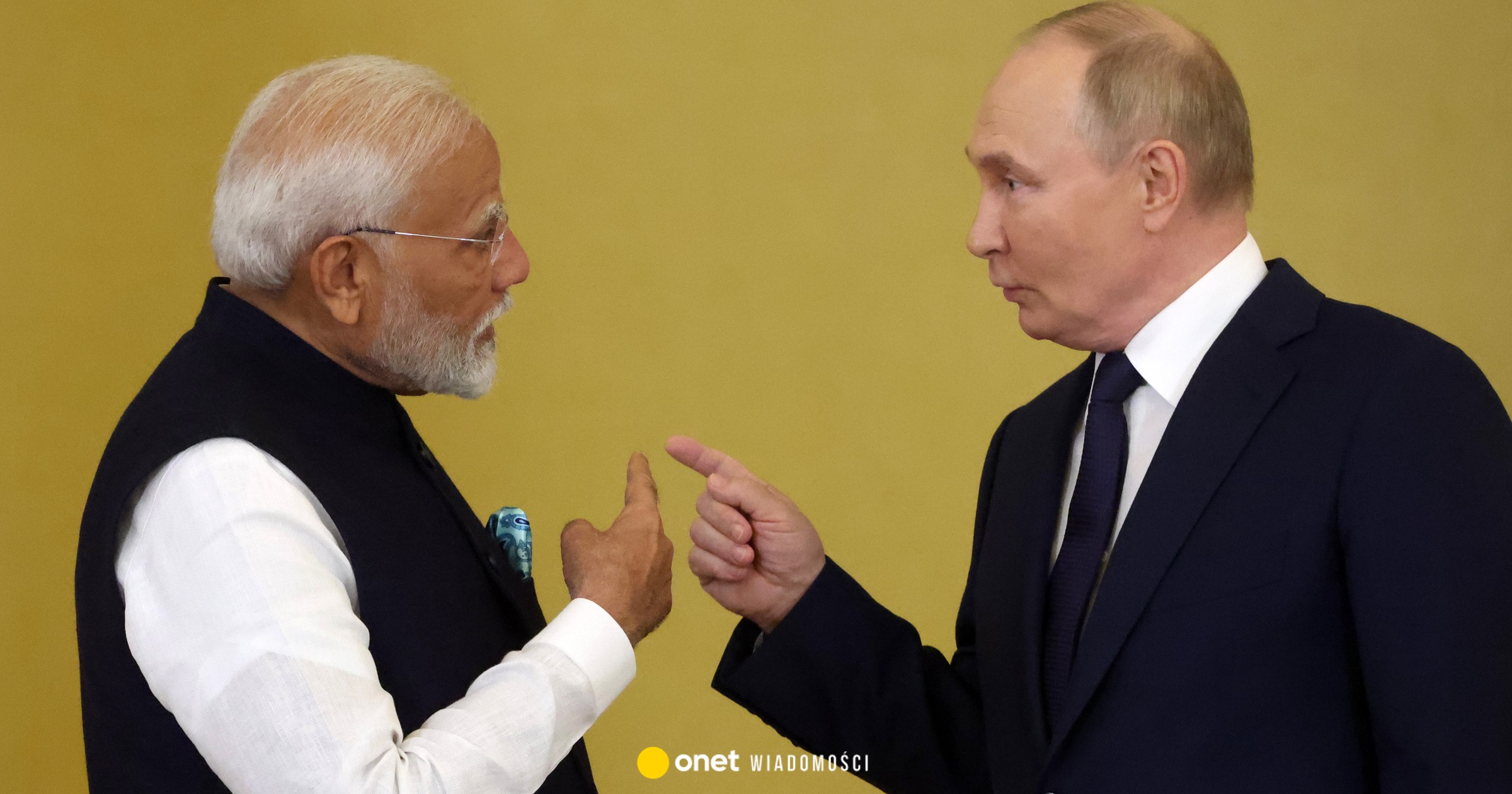
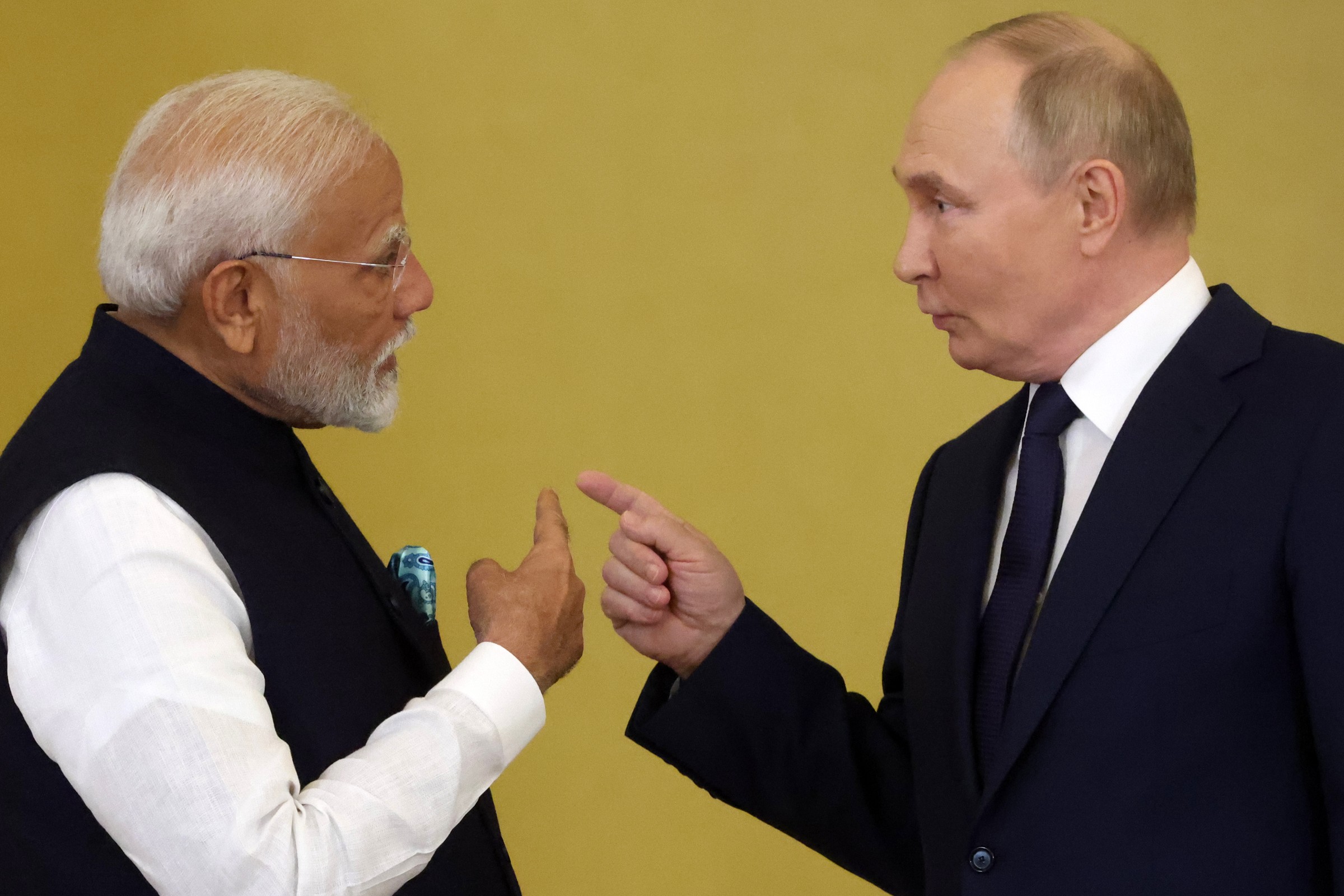
In a strong appeal to New Delhi, US Congressmen Rich McCormick (Republican) and Ami Bera (Democrat) – the two top congressional representatives on US-India relations – called on the country to review its long-standing relationship with Russia. They added that he is a key arbiter of the future of global security.
— For too long, Russia has exploited its historically grounded relationships to avoid consequences [agresji na Ukrainę] McCormick said during a panel organized by the Washington think tank CSIS.
— Europe has an economy ten times larger than Russia. We should crush Russia – not militarily, but economically. India can play a decisive role in this, he added.
Ami Bera, the longest-serving Indian-American in Congress, agreed. He said that India's historical ties with Moscow put it in a unique position to influence the course of the war in Ukraine — and its post-war order.
— This is a moment for India to test its diplomatic skills. The most important question is: after the end of the conflict, will you forgive Putin all his sins and let him come back [do społeczności międzynarodowej]? he asked.
India's economic impact
McCormick pointed to the clear imbalance between India's booming economy and Russia's stagnation, noting that India is the largest consumer of Russian goods.
“India can literally draw Russia's borders itself,” he said, adding that its decisions could change the geopolitical landscape without the involvement of US troops.
US lawmakers also signaled that New Delhi's decisions on energy and trade could tip the scales in a way that would strengthen global stability. The message comes amid escalating tensions between the United States and India over New Delhi's continued economic engagement with Moscow.
Donald Trump doubled tariffs on goods from India to 50 percent, and also imposed punitive measures on them for purchasing Russian oil. This step is intended to stop New Delhi's indirect support for Russian military operations in Ukraine.
The article continues below the video
Last week, Trump allowed a bipartisan Russia sanctions bill to be introduced in Congress that would give his administration an advantage over countries that continue to buy Russian oil at depressed prices — mainly China and India.
The latter protested against such measures, calling them “unfair and unjustified.” They added that their energy imports are dictated by market realities and the need to ensure the country's energy security.
Repressive trade measures and the threat of broader sanctions have repeatedly strained relations between the United States and India, complicating their cooperation on trade, technology and defense. Both countries have recognized these areas as key pillars of their strategic partnership.
Beyond Russia: shaping 21st century architecture.
Other topics were also discussed at the panel organized by CSIS. Both U.S. lawmakers stressed the importance of deepening cooperation between the United States and India in the fields of defense, technology and trade, especially in the context of China's strengthening in the Indo-Pacific region.
Bera pointed to India's entrepreneurial spirit and developing defense production capabilities as strengths that could accelerate the country's rapprochement with Western partners.
— India, as a defense contractor, wants the best products and independence… Our technologies must keep up with its ambitions, Bera said.
McCormick stressed that a pragmatic, long-term approach is key. — Sometimes we have to sacrifice something for the good of the relationship. “It's not about getting everything we want, but about building a future that stops bad players,” he said.
A turning point in diplomacy
These statements emphasize change in US strategy. American lawmakers are no longer content with vague platitudes and appeals to democracy. Instead, they send a clear message — that India's choices regarding Russia will have consequences that go far beyond bilateral relations.
For Washington, India is not just a partner – it is a potential pillar in shaping the post-war order both in Europe and the Indo-Pacific region.
By pressing New Delhi to take action, U.S. lawmakers are effectively redefining the contours of 21st century diplomacy, emphasizing that economic power, strategic ties and technological advances are integral to global influence.
How New Delhi uses its influence could determine not only the fate of Russia, but also the architecture of a world order in which democracy, trade and stability are at stake.
I’m Ashley Davis as an editor, I’m committed to upholding the highest standards of integrity and accuracy in every piece we publish. My work is driven by curiosity, a passion for truth, and a belief that journalism plays a crucial role in shaping public discourse. I strive to tell stories that not only inform but also inspire action and conversation.