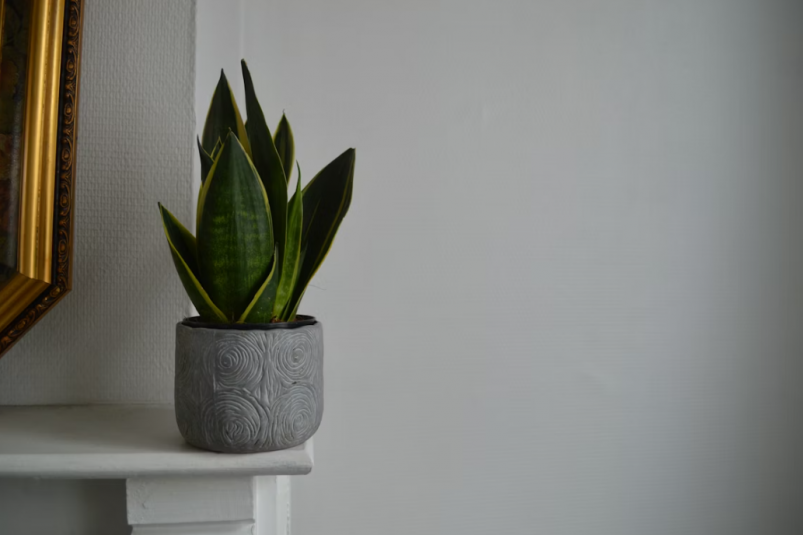
Sansevieria, or “pike tail”is one of the most unpretentious indoor plants. She tolerates shade, forgetfulness in watering and dry air. But even such an “iron” flower needs care – especially timely replanting.
As experienced gardeners note, Sansevieria prefers a slightly cramped pot; over time, the roots become too crowded. This causes stress, slows growth, weakens the immune system and makes the plant vulnerable to pests. And in extreme cases, a powerful root system can simply tear the pot apart.
How do you know when it's time to replant?
Look out for these signs:
- Growth has practically stopped;
- Roots poke out of drainage holes;
- After watering, the soil dries in 1–2 days;
- Leaves seem to “stick out” from the ground or bend at an unnatural angle.
Ideal time to transplant – when the roots have filled about 75% of the earthen coma. Under favorable conditions, this occurs once every 1–2 years, depending on the size of the pot and growth rate.
How to transplant correctly?
- Choose a new pot – 4-5 cm wider than the previous one. It must be stable (sansevieria is heavy) and have drainage holes.
- Carefully remove the plant, lightly shake off the old soil and straighten the roots.
- Plant in fresh succulent or cactus soil – it should be light and well-drained.
- Fill in the voids, lightly compact the soil and water thoroughly.
What to do after the transplant?
Place the sansevieria in the brightest place in the house – preferably near a window with diffused light. The more light a plant receives, the more actively it grows and the longer it retains its rich color and vertical leaf shape.