Iran's ayatollah regime under siege. Trump is stepping up the pressure. Will the protesters succeed this time?


As violent protests in Iran enter their third week and push the country ever closer to a possible tipping point, the theocratic regime in Tehran is responding with a well-known strategy: brutal repression of demonstrations and strengthening domestic control, at a time when external pressure, especially from the United States, is visibly intensifying, reports CNN.
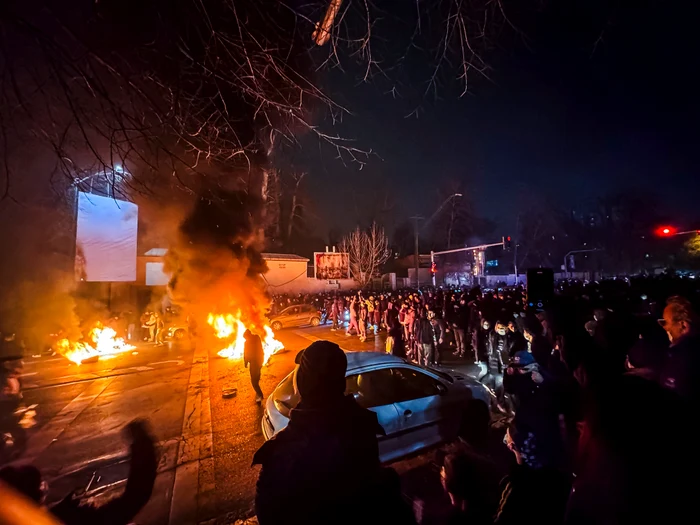
The regime in Tehran increases the repression against the protesters/PHOTO: AFP
Over the decades, the ruling clergy managed to survive successive waves of popular discontent. This time, however, the scale of the protests and the radicalization of public discourse suggest that the regime's authority is more fragile than ever. The protest movement, initially started for economic reasons, quickly turned into an open protest against the entire political structure that has ruled Iran for over 40 years.
“We are talking about a system marked by bad governance, corruption and repression. That is why people want the Islamic Republic gone”explains Holly Dagres, researcher at the Washington Institute.
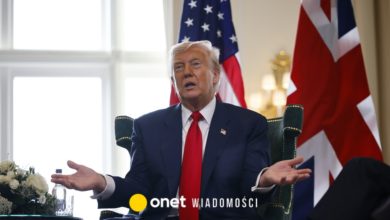
Domestic discontent is amplified by the international context. US President Donald Trump has repeatedly expressed his support for the protesters and openly called for the end of the Iranian Islamist regime, a traditional opponent of Washington.
“Iran is looking at freedom, perhaps like never before. The US is ready to help!!!”Trump wrote on social media.
According to US officials, the White House is considering several options, including military ones, without a final decision being made yet. Trump's statements, made on board Air Force One, were ambiguous but suggestive: the American leader spoke of “violent leaders” and of “very strong options” under consideration.
However, some experts warn that a possible military intervention could have limited effects. “The regime is fragile, but remains extremely brutal and functional”, explains Dr HA Hellyer, analyst at the Royal United Services Institute.
The economic crisis, the core of popular anger
Although Iran has seen repeated protests in recent years, they have rarely produced real political change. This time, however, the combination of deep economic crisis and political attrition of the regime is fueling unprecedented discontent.
Under Supreme Leader Ali Khamenei, in power since 1989, Iran has resisted internal and external pressures, relying on loyal institutions and a tough security apparatus. But repressive policies and international isolation steadily eroded public support.
Western sanctions, including the reactivation of those related to the nuclear program, have hit the economy hard. Although officially intended to put pressure on the political leadership, researchers show that they have severely affected the middle class — the core of reformist movements — drastically reducing the prospects for economic development.
In parallel, Iran has lost a number of strategic levers. Israeli strikes have weakened armed groups allied to Tehran, such as Hamas and Hezbollah, and US strikes have seriously damaged the multi-billion-dollar nuclear infrastructure. The fall of Bashar al-Assad's regime in Syria in December 2024 was another major blow.
“It is an unsustainable situation for the Islamic Republic”says Holly Dagres. “They are simultaneously facing external pressures and internal hostility at historic levels, which will only go away with the regime.”
Repression, blackouts and calls for loyalty
Faced with this double pressure, the authorities turned to violent repression of the protests. According to the organization Human Rights Activists in Iran, thousands of people were arrested and hundreds were killed. At the same time, the regime imposed massive internet and telephone blackouts, limiting access to information inside the country.
President Masoud Pezeshkian tried to rally public support by calling the protesters “hooligans and terrorists” and accusing foreign influence. In a televised speech, he said legitimate demands must be addressed, but not at the cost of destabilizing society.
State television broadcast images of regime supporters taking to the streets, and authorities organized national marches in defense of Islamic values after protesters allegedly desecrated religious symbols.
Security apparatus, still solid
An overreaction, however, risks provoking a harsh response from the US and its allies. Trump recently warned that Washington is “ready to act” if peaceful protesters are killed.
However, analysts point out that the real threat to the regime comes from within. “Controlling the streets is essential to their survival, even if it entails the risk of an American strike,” said Ali Vaez of the International Crisis Group.
For now, however, the security apparatus remains intact. “There have been no significant defections among elites or security forces,” Hellyer notes. “Without these, an external intervention would not produce decisive results in the short term.”
The government tried to calm spirits with token aid — the equivalent of about seven dollars a month — and more conciliatory messages. The interior minister spoke of “maximum restraint” and President Pezeshkian promised that the state “must listen to the voices of the protesters”.
For the opposition that openly calls for regime change, the moment seems favorable: a weakened leadership, intense external pressures and a society at the limit of patience.