
“By the end of January, the US will intervene, the Islamic Republic will fall.” Voices of young people in Iran about the new wave of protests and the end of the regime


“We are lost. I don't think we will get to see freedom until old age, through the eyes of the younger generations,” an Iranian tells The Guardian. In a report published on Friday, which brings together several voices from inside the country, the British publication explores the chasm between the theocratic regime and a population that, despite repression, has understood that prosperity is impossible in isolation.
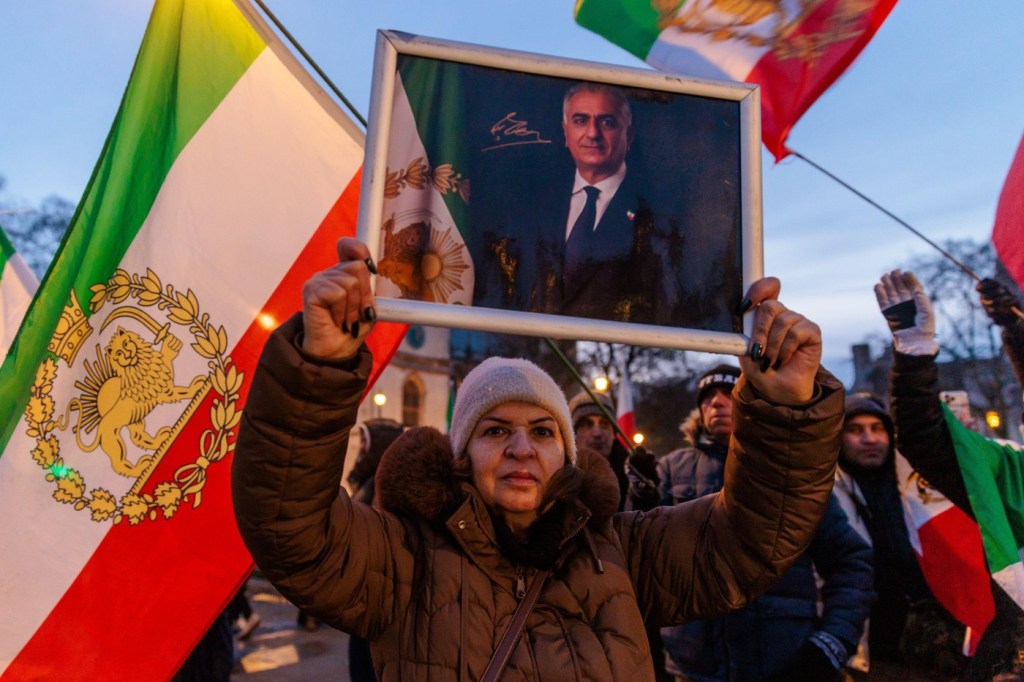
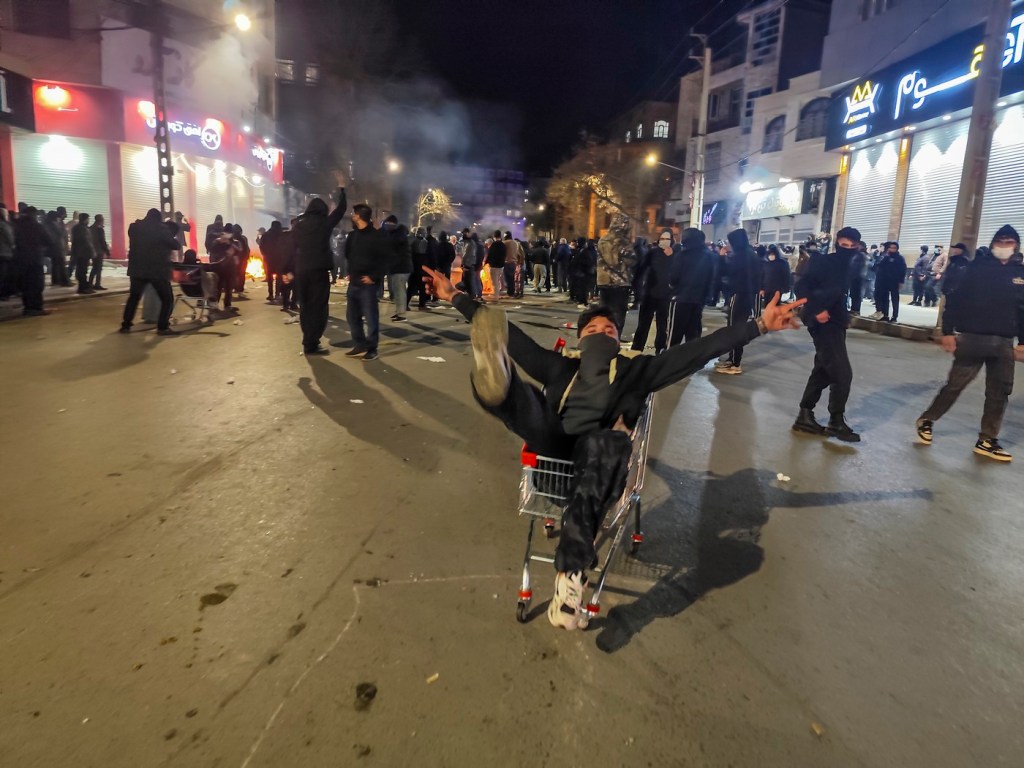
- Massive protests that began in December continue daily across Iran, leading to a nationwide internet blackout on Thursday. The move coincided with fresh calls for mobilization by exiled Prince Reza Pahlavi, as violence has escalated dramatically in recent days. The toll already indicates more than 40 deaths and 2,200 arrests, according to human rights organizations.
The Iranians who spoke to The Guardian this week on condition of anonymity are young adults in Tehran who, while they have different perspectives on declining living standards or the future, share a common belief: national prosperity is impossible under the current conditions of isolation and repression.
“I have no hope in these protests“
Masha, 36 years old, has been working in the field of fashion design for many years and manages an online page where she sells her clothes. In recent months, he says he has seen good sales, but due to the current situation in Iran, sales and activity on his page have stopped.
“I feel like I have to start over. Everything I've worked for, all the effort I've put in, it's gone. I really don't know what to do with these dollar prices. Even if the market reopens, how can we buy fabric and sell it at these prices? How can we live?” she tells The Guardian.
The young woman from Iran continues: I love freedom. “I want the day to come when there will be freedom in Iran. But I have no hope in these protests. The protests (after Mahsa Amini's death) in 2022 were even bigger and nothing happened. I don't think anything will change this time either. I am not in favor of war at all.”
Mahsa says she would be very happy if the regime fell and the government changed, but she has very little hope that this will happen. “This uncertainty, this state of uncertainty, is what bothers us the most. Nobody knows what will happen.”
“Even if Pahlavi will hold the supreme office in Iran, he will not be the one making the decisions“
Moien, a 40-year-old garment entrepreneur, says his situation is extremely precarious and unstable. He has been married for several years and lives with his wife in a rented apartment. With the sharp drop in the value of the rial against the dollar, strikes in markets and the closure of online stores, Moien says he is facing significant losses.
Iran is a failed country, Moien believes. Even if the Islamic Republic were toppled today, it would take at least 50 years to rebuild it. And even then, it would not become an ideal country, just a normal, functional one. He sees Reza Pahlavi, the exiled son of the former shah, as a mere token figure.
“Even if he (No. Pahlavi) were to become the head of Iran, he would not be the one making the decisions. He has never lived here, he does not understand the country, its crisis or its politics. He is not a strong politician. In my opinion, he is just a puppet and will do whatever (the US and Israel) tell him to do.”
Asked about the future, Moien says he plans to emigrate in the next three years. One of his concerns is what will happen to domestic producers like him when the regime changes.
“We are lost. I don't think we'll ever see freedom”
Sasha, 35 years old, is a sports coach. He says that in Iran he has not been able to secure a home or a stable life and sees no clear future for himself or his generation.
“Basically, we're lost. I don't think we'll ever see freedom or improvement in Iran unless we get old and see the younger generations finally experience change,” he told The Guardian.
Sasha also says that he hopes for the collapse of the Islamic Republic and the establishment of a democratic republic in the future of Iran. He believes in people's power, but says that unless the army organizes a coup and the weapons get into the hands of the people, it is impossible to defeat the Revolutionary Guard, given the number of bases and weapons depots they control.”
“Either the country will be sold or driven to absolute ruin”
Majid, a 36-year-old man, is now unemployed. He worked in decorative stone mines and then had his own business. Because of inflation, he lost everything. “After Covid, everything fell apart, both my family life and the country's economy,” he says.
“I bought a house in installments and I couldn't keep up with the payments. The government has created a situation where everyone wants to deceive each other just to survive. Frankly, I don't see a clear future for Iran anymore. Either the country will be sold so that the Islamic Republic will leave and then it will all be over. Either it will stay and lead the country to absolute ruin. Either way, it is ruined,” he added.
Majid states that his only wish is that, one day, “Iran will reconnect with world trade. Our children are bright, talented, clever and intelligent, but isolated, they will never be able to develop.”
“I prefer gradual reform”
Hasan is 29 and works at the gold market in Tehran's Grand Bazaar, where the protests began in December. He says traders in the bazaar had been discussing strikes and protests for a long time as inflation drove prices higher and higher.
“It is true that with rising gold prices, the capital of some gold sellers increases, but their customers disappear, and they themselves oppose these price increases. People's purchasing power continues to decrease. This uncertainty and lack of clarity exhausts me and fills me with despair, but I remain committed to the strikes and hope that good things will happen,” he says.
The young man believes that “these protests and demonstrations will eventually lead to a change”.
He also says that the core of the Islamic Republic must be eliminated, but that the structures themselves should remain in place to prevent chaos.
“Gradually, reforms and changes should take place within those structures, and competent people should take over. Otherwise, I have no hope of regime change through war or sudden collapse, and I do not support that. The consequences would be terrifying, and I am not optimistic about that path. I prefer gradual reform,” he said.
“The US will intervene, the Islamic Republic will fall”
Ashkan, another unemployed 28-year-old, lives alone in a house in northern Tehran. His father owns several famous restaurants in one of Iran's provinces and gives him a generous allowance every month. He says he currently does not have a serious job and relies on his father's money.
The young man is convinced that the Islamic Republic will be destroyed by the end of this month. “I'm sure by the end of January, the US will step in, the Islamic Republic will fall, Pahlavi will come and everything will be perfect.”
When asked what his father thought of the change, Ashkan said: “And he is praying that the Pahlavis will come. He has been saying for a long time that the Islamic Republic is doomed and they will go.”
“Even Pahlavi coming to power would be better than the current situation”
Farshad, a 37-year-old interior designer, says he doesn't think the protests will change anything, but that if Iran's president steps down and the US intervenes militarily, the situation in the country would eventually improve. He admits that initially there would be an economic shock, but that in the long run, reconnecting with global markets would make life better for everyone.
The man says university students have yet to get seriously involved in the protests. If they do, he believes the movement would become more progressive and move beyond the idea that Pahlavi is the only option.
In his view, the best possible scenario is for the protests to continue to expand as the US and its allies crack down on Islamic Republic forces and commanders, allowing Iran and the protests themselves to fall into the hands of the people.
“I'm not a supporter of Pahlavi. He says he's going to hold a referendum, but I don't really believe that. Khomeini (the former supreme leader) used to say the same things. However, I've come to the conclusion that even Pahlavi coming to power would be better than the current situation,” Farshad concludes.
 VIDEO Images of Iran on fire: Institutions under siege, dozens of dead and digital isolation after the brutal intervention of law enforcement / The exiled prince calls Iranians to the streets


