Sharp protests in Iran. “It looks like a revolution.” The recordings have been published online

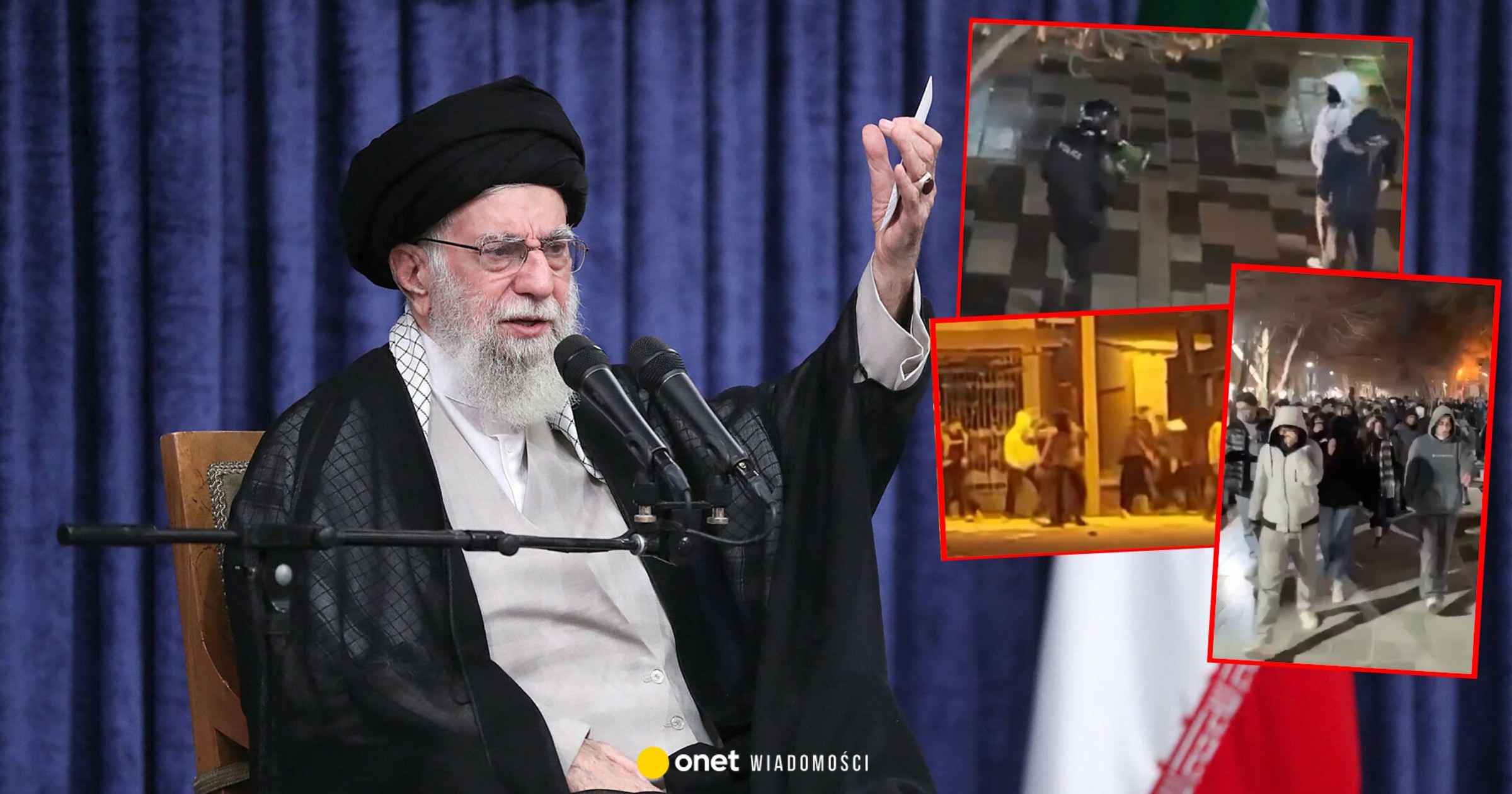
The protests began on Sunday with a strike by shopkeepers in Tehran's Grand Bazaar, who also act as wholesalers supplying other sales outlets. The unrest was caused by a sharp increase in the US dollar and the collapse of the local currency, the rial. The inflation rate, calculated since December last year, exceeded 50%. Many parts of the country lack electricity, and some regions, including Tehran, are facing severe water shortages.
What were the causes of the protests in Iran?
When did the protests in Iran start?
What did Iran's prosecutor general threaten protesters with?
What slogans are protesters chanting in Iran?
The crisis is spreading to other cities, and young people and students are joining the protesting shopkeepers. The truck drivers' union also expressed support for the protests.
The slogans from the first days of the protest, regarding inflation and higher prices, are quickly becoming radicalized. The crowds chant “death to the dictator” or “death to Khamenei”. Ayatollah Ali Khamenei is the supreme leader of Iran.
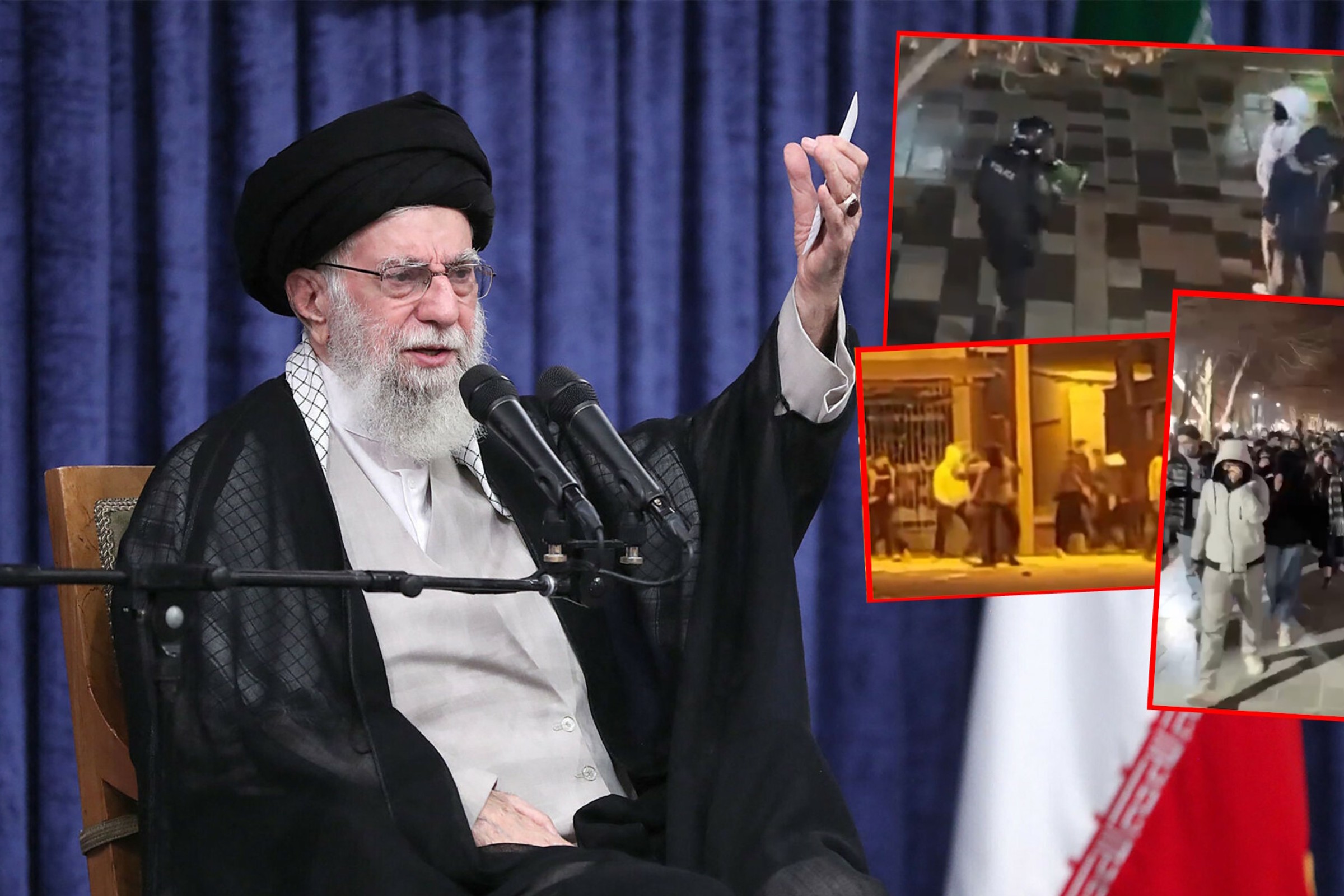
Sharp protests in Iran. “It looks like a revolution.” The recordings have been published online
Numerous recordings from Iran have appeared on the Internet. A video from Isfahan shows a crowd of young people walking down the street and chanting slogans hostile to the regime. “Looks like a revolution,” reads the caption.
The video from the city of Farsan shows clashes between protesters and the services.
Another video shows the courage and determination of young Iranians. Two of them face the security forces and do not retreat under the pressure of water cannon fire. After a while, a large group of demonstrators joins them, and the services are forced to retreat.
On Wednesday, two large universities in the capital announced the cancellation of classes on campuses and their intention to conduct them remotely. Iran's deputy education minister said the decision was made “due to the cold weather and problems caused by energy shortages, as well as to ensure the well-being of students.”
Demonstrators attacked the government headquarters in the city of Fasa
The government building in the southern city of Fasa was attacked on Wednesday, the fourth day of protests in Iran, the AFP news agency reported, citing the Mizan judicial website. The 28-year-old leader of the attack was detained.
— The entrance gate to the provincial government building was damaged as a result of an attack carried out by several people, said Hamed Ostowar, head of the judiciary in the city of Fasa. Four attackers have been arrested, he said.
Ostowar denied that one of the attackers was killed, but stated that three policemen were injured.
Information appeared on the Internet that an 18-year-old man was shot during the incident, added the Iran International website. He emphasized that journalists obtained numerous recordings that had not been verified, but which could prove that security forces used weapons in the city.
A security officer killed during a protest against high prices
An Iranian law enforcement officer was killed during an anti-price protest that took place on the night from Wednesday to Thursday in Lorestan province in western Iran, state television reported. This is the first official death toll during the demonstration.
— A 21-year-old member of the Basij formation (a paramilitary organization belonging to the Islamic Revolutionary Guard Corps) from the city of Quhdasht was killed that night by protesters defending public order, television reported, citing the deputy governor of the province, Said Purali.
Iran's prosecutor general threatens protesters
A few hours earlier, Iranian Attorney General Mohammad Mowahedi-Azad announced that the justice system would show “firmness” if anti-inflation protests in Iran were used to “destabilize” the country. The conservative daily Kayhan said that foreign instigators were behind the protests.
There is an ongoing economic crisis in Iran, which has intensified since sanctions related to Tehran's nuclear program were re-imposed on the country. Electricity shortages are common, as are water shortages, caused by both drought and water-intensive farming. At the same time, Iran incurs significant expenses to finance the so-called axis of resistance – a number of pro-Shiite, anti-Israel armed groups operating in the Middle East. The inflation rate, calculated since December last year, exceeded 50 percent, and food prices increased by 72 percent, reported Euronews.