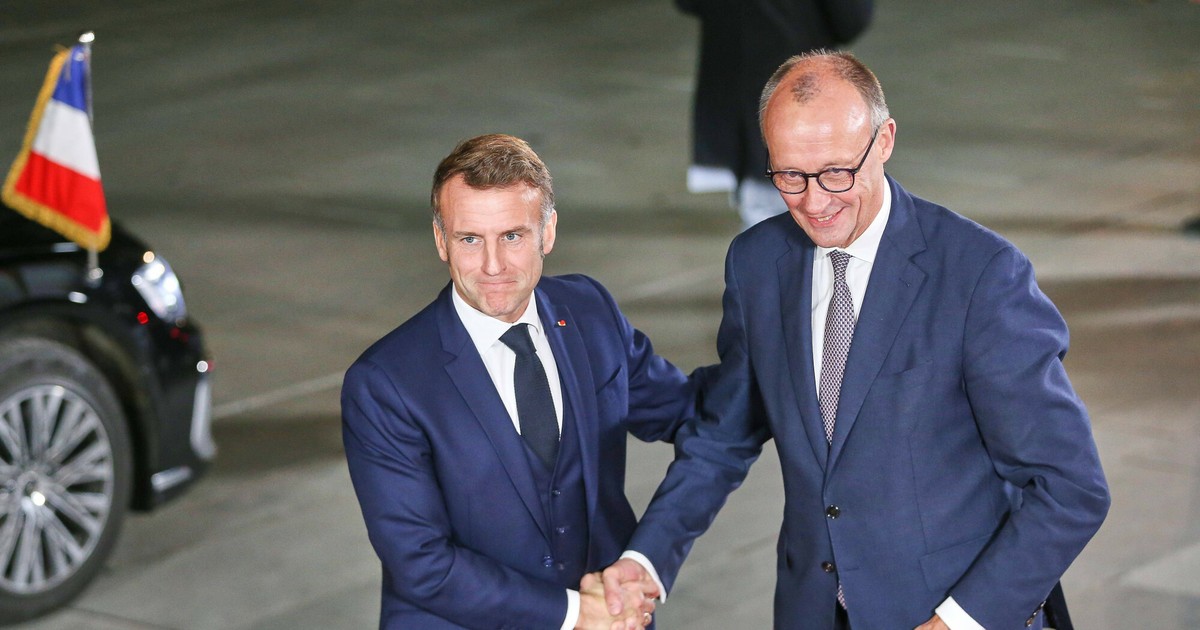
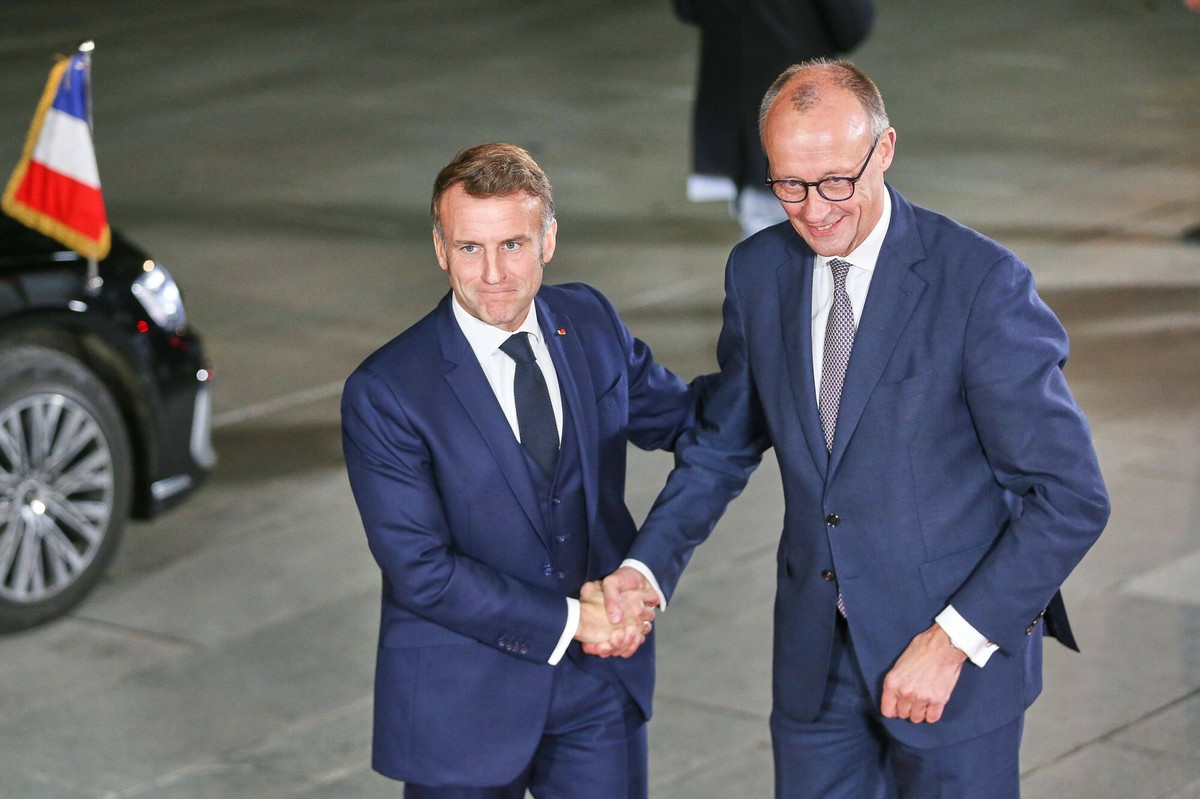
Macron, who has remained in the shadow of the German chancellor in recent months, seems to once again aspire to the role of leader of European politics. The French president announced that he would soon decide whether he would establish direct contact with the Russian leader. As “SZ” notes, Moscow reacted positively to this possibility, but Merz, according to the German daily, was not informed about these plans.
The text continues below the video
German reaction: brevity and skepticism
The government in Berlin reacted cautiously. The deputy government spokesman emphasized that Chancellor Merz devoted a lot of effort to building European unity and developing peace prospects. According to the German leader, Macron's actions not only do not contribute to the peace process, but may also weaken European solidarity.
Merz, unlike his predecessor Olaf Scholz, has not yet entered into any telephone conversation with Vladimir Putin. The German Chancellor and his advisors are focusing on strengthening Ukraine in dialogue with the US, avoiding direct contacts with the Kremlin.
Read also: The so-called conversations coalition of the willing. Macron sees a chance for a “good peace”, the British are preparing missiles
Divided Europe: different visions of support for Ukraine
Macron's conversation with Putin could, according to “SZ”, undermine the unity of the European front towards Russia. The last EU summit revealed clear differences between the leaders of Germany and France. Merz opted for supporting Ukraine through the so-called a reparations loan financed from frozen Russian assets. Macron, on the other hand, pushed for aid from the EU budget. Ultimately, as the German daily notes, it was the French president who won a political victory in Brussels.
Macron's plan, referred to as “plan B”, gained the support of countries such as Hungary, Slovakia and the Czech Republic, which did not oppose community debt. In turn, Merz's success was the permanent freezing of Russian assets. However, in the eyes of European public opinion, the German Chancellor was considered the “big loser” of this dispute.
Read also: Is dialogue with Putin necessary? The leader of the German CSU thinks so
Belgian opposition and Macron's triumph
Belgian Prime Minister Bart De Wever joined the group of opponents of Merz's idea. Fearing potential claims from Russia, the Belgian leader expressed skepticism towards the German proposal. To avoid tensions with Berlin, De Wever even instructed the media not to express open satisfaction with Germany's defeat. As “SZ” notes, the fact that Macron has become Merz's main rival is beneficial for the Belgian prime minister.