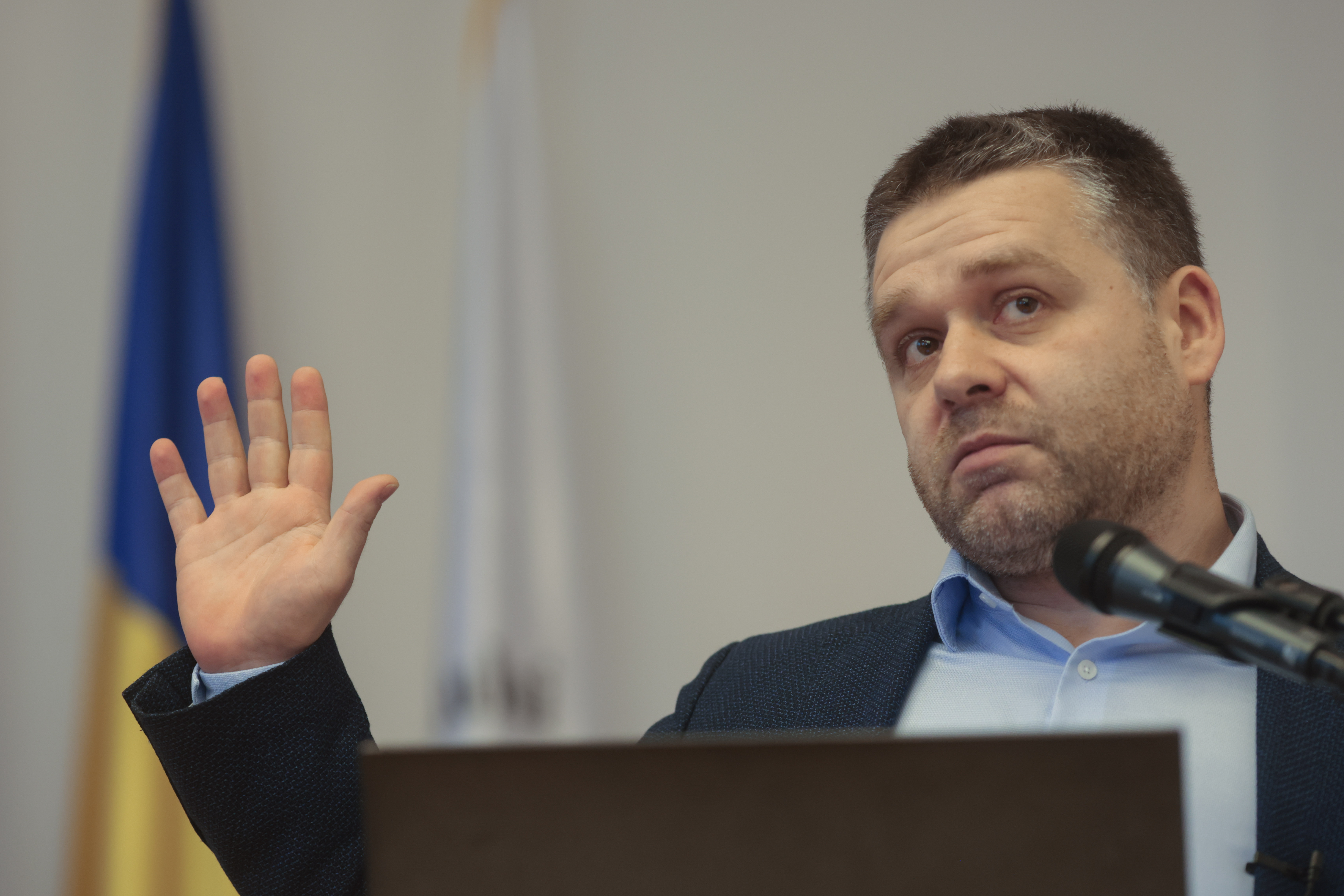
Why the chances of the American rapper Wiz Khalifa serving a prison sentence in Romania “are minimal to non-existent”. What two specialists say


Lawyer Ciprian Pozderie, specialized in drug cases, and Vlad Zaha, criminologist specialized in public policies in the field of drugs, explained to HotNews what are, realistically, the chances that Wiz Khalifa will end up serving in Romania the 9-month prison sentence with execution definitively pronounced by the Constanța Court of Appeal. The American rapper was convicted of possession of dangerous drugs, after smoking a cannabis cigarette on the stage of the Beach Please festival in Costinesti, in 2024.
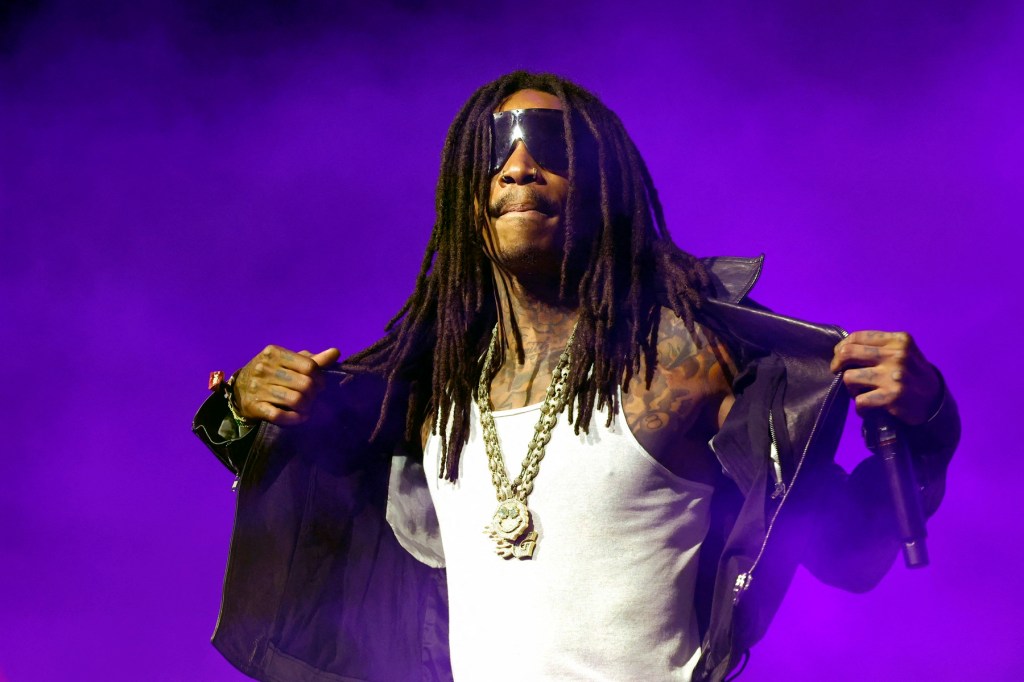 Wiz Khalifa, definitively sentenced to 9 months in prison with execution in Romania for smoking marijuana on stage at “Beach Please” / Message from the organizers
The conviction of the American rapper raises a practical question: are there real chances that the artist will end up serving his sentence in Romania?
The answer is clear: the chances are minimal to non-existent, according to the explanations given to HotNews by the criminologist Vlad Zaha and the criminal lawyer Ciprian Pozderie.
Vlad Zaha: “The conviction is final, but the execution is very improbable”
Criminologist Vlad Zaha explains that, although the sentence is “final and enforceable”, there are two main tools that make the execution of the sentence improbable in Romania: extradition from the United States and the extraordinary avenues of attack in the Romanian judicial system.
“In practice, Wiz Khalifa has two major options: extradition – or, more realistically, non-extradition – from the US and using the extraordinary avenues of attack provided by Romanian law,” explains Zaha.
Extradition from the US, an almost impossible threshold
In the opinion of the criminologist, extradition from the United States is extremely unlikely, both for legal and political reasons: “International practice shows that extraditions are made only for extremely serious acts and in very favorable diplomatic contexts. In this case, we are not talking about a crime perceived as serious in the USA, nor about real public pressure.”
He points out that the legal regime of cannabis in the US plays a critical role. “Cannabis is legalized or decriminalized in most US states, and federal policies are moving in the direction of relaxation. In this context, possession for consumption does not justify the extradition of an American citizen,” explains the criminologist.
Even if Romania sends a formal request for extradition, Zaha believes that the chances of it being accepted are extremely low: “Refusals of extradition are common. We are not talking about an exception.”
The extraordinary ways of attack in Romania
The second set of tools concerns internal procedures. Vlad Zaha points out that Romanian legislation allows extraordinary appeals such as cassation appeals or revisions, which can even lead to the annulment of some final decisions. “Such appeals over time have overturned many final sentences, including in high-profile cases. It is expected that the defense will use them,” says the criminologist.
An “unusually harsh” punishment
In his opinion, the punishment applied in this case is “unusually harsh” in relation to judicial practice and contains elements that can be contested: “The reality of this conviction is that it is unusually harsh, with a motivation that is at least questionable in some respects (for example, the fact of encouraging, urging or normalizing the consumption of cannabis, although Romanian legislation does not provide for a punishment for encouraging dangerous drugs, but only high-risk drugs risk)”.
Beyond the specific case, Vlad Zaha draws attention to a paradox of anti-drug policies. “Romania imported punitive policies from the US at exactly the time when the United States was starting to abandon them, through legalization and decriminalization,” he explains.
In this context, says the criminologist, the situation becomes almost absurd: Romania ends up asking for the extradition of an American citizen for a crime related to cannabis, at a time when the global trend is going in the opposite direction. “There is more and more evidence that prohibition and punishments are not effective tools for drug control, but Romania continues to apply a model that other states are leaving behind”, concludes Vlad Zaha.
Beyond extradition: what the criminal procedure says
Contacted by HotNews, criminal lawyer Ciprian Pozderie also explains what, concretely, the execution of a sentence means in Romania. According to him, the execution of the sentence is impossible in the physical absence of the convict on Romanian territory.
“If the artist does not voluntarily return to Romania, the chances of execution depend exclusively on the success of international judicial cooperation procedures,” explains Pozderie.
Romania can initiate formal proceedings, including international prosecution, but these measures do not guarantee extradition. “It is at least uncertain whether a foreign court or authority would accept the artist's extradition or handover to Romania,” says the lawyer.
In the absence of a voluntary return and real cooperation from the state in which the convict is located, the case risks remaining symbolic. “Most likely, it will remain an example of disproportionate consumption of judicial resources,” states Ciprian Pozderie.
In the first instance, at the Constanța Court, the American rapper was sentenced to a criminal fine in the amount of 3,600 lei, the amount representing the equivalent of 120 fine days. This decision was annulled on Thursday by the Constanța Court of Appeal, which established a sentence of 9 months in prison with execution.
Wiz Khalifa was picked up by the Romanian police last year, immediately after the concert on the night of July 13 to 14 on the stage of the “Beach Please” festival in Costinești, where the American rapper lit a joint.
According to the police, Wiz Khalifa “possessed more than 18 grams of cannabis (a dangerous drug) and consumed (on stage) another amount of cannabis, in the form of a craft cigarette.”
According to the law, in Romania, cultivating, producing, manufacturing, experimenting, extracting, preparing, transforming, buying or possessing dangerous drugs for personal consumption, without the right, is punishable by imprisonment from 3 months to 2 years or a fine.
Following the incident at “Beach, Please!”, Wiz Khalifa posted a message in which he said that he did not want to show any disrespect towards the Romanian authorities with his gesture. He promised to return to perform in our country, but “without a big joint next time”.
 How judges explain Wiz Khalifa's prison sentence. “He has a major influence on the young people at that event”