Sarkozy tells his “hell” in the cell: what the former president wrote in his detention diary


Former French President Nicolas Sarkozy describes in detail the 20 days he spent in La Santé prison in a book-diary, in which he talks about austere conditions, controversial visits and his own battle for image, maintaining the tone of a victim of a conviction he is contesting.
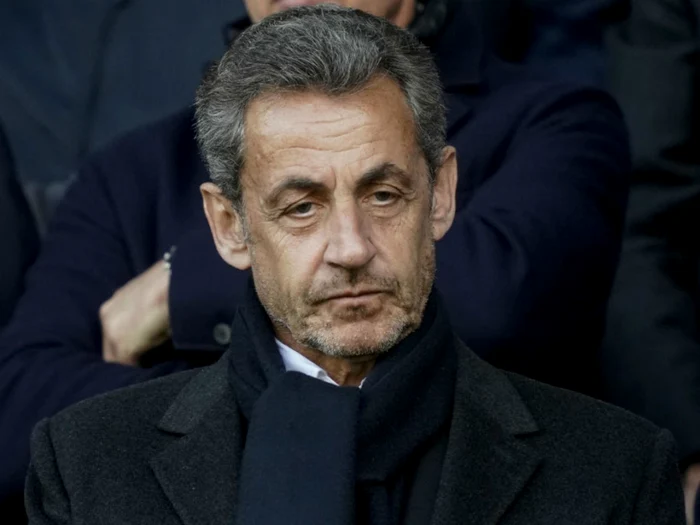
Nicolas Sarkozy describes his detention in the book released after his release PHOTO: Archive
Nicolas Sarkozy dedicates his new book to the 20 days of detention in La Santé penitentiary, turning the experience into a volume of 213 pages. For each day spent in the cell, he wrote over ten pages.
“It could have been a cheap hotel, if you ignored the armored door with a peephole”he recalls in the volume released a month after the anticipated release, on November 10.
The former president, convicted of criminal conspiracy in illegally financing his 2007 campaign, says prison was “hell“. The view was blocked by plastic panels, he couldn't see the sky, and the nights were marked by boos that echoed throughout the penitentiary. One night, he says, he woke up when an inmate set fire to a nearby cell, CNN reports.
“A table would almost have been softer”
Sarkozy describes in detail the shock of the first evening in the cell: “When I sat down on the bed, which was not made, I had a shock. I have never felt a firmer mattress even in military service. A table would have been almost softer.”
Even so, in the VIP wing, where there are 18 cells, he had access to a television, refrigerator, shower and stove, conditions that many other inmates do not have.
Visits, controversies and attempts to rehabilitate his image
The book also notes the visits received behind bars, including that of the Minister of Justice, Gérald Darmanin, a gesture that provoked harsh criticism in France. Sarkozy also writes about the audience at the Élysée Palace, where President Emmanuel Macron allegedly offered to transfer him to a prison with better conditions. “I refused the offer“, he claims.
He also claims that the US ambassador to Paris, Charles Kushner, would have asked to see him for the first time even in prison.
Contact with the family was constant, at least one visit every two days, while thousands of letters reached the penitentiary. “More than I ever got as president“, notes Sarkozy, mentioning the 20 Bibles and dozens of novels received in the package.
Between dramatization and self-victimization
The first sentence of the book warns that “this is not fictionSarkozy has pleaded not guilty and devoted entire pages to criticizing the journalistic investigation that led to his conviction.
In November, France's highest court upheld another conviction for illegal campaign financing in 2012. He is one of very few modern political leaders to have served time behind bars.
In the book, he even compares himself to Alfred Dreyfus, former inmate of La Santé and symbol of a historic miscarriage of justice. The parallels drew critical reactions in the public sphere.
“At La Santé, I restarted my life”
Sarkozy claims he regained his faith during his detention, helped by visits from the chaplain and the biography of Jesus Christ he read in his cell. He also took two volumes of “The Count of Monte Cristo” with him.
The book, however, offers little sign of empathy for the other inmates. Sarkozy presents himself as a special man, isolated and treated with deference, convinced that he is experiencing an injustice “unimaginable“. “At La Sante, I restarted my life“, he writes at the end of the volume.
In the last pages, he states: “I went (to prison) as a head of state. I came out with the same rank“. The reality, however, remains less glorious: He went in as a convict. He came out with the same rank.