Shahed's long-hovering drones could function as communications relays, a Ukrainian expert claims

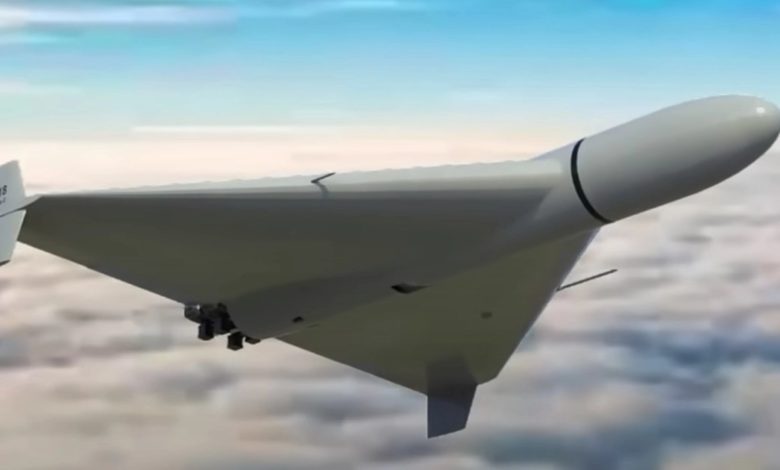
Some Russian Shahed drones that remain in the air for a long time would not be the result of technical failures or the action of Ukrainian electronic warfare systems, but would have the role of relaying control signals over long distances. This is the assessment of the Ukrainian specialist in communications and electronic warfare Sergey “Flash” Beskrestnov, published on his Telegram channel.
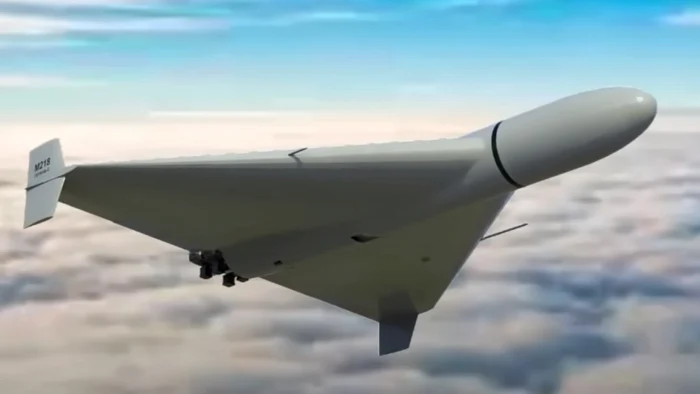
Drona Shahed/PHOTO: Archive
According to Beskrestnov, the military has repeatedly observed Shahed drones describing circles in the sky. Initially, these behaviors were interpreted as effects of jamming, deliberate waiting procedures, or simple navigational errors.
“It is not about the action of our electronic warfare systems, nor air defense engagement maneuvers, nor malfunctions,” he said.
MESH operating model
The expert claims that certain Shahed platforms are used as radio relays, forming a MESH-type network that extends the control capability of other drones. These devices would have the mission of moving away from the border and transmitting command signals from Russian territory to attack drones operating inside Ukraine, thus allowing them to operate further from the launch points.
Beskrestnov states that while such drones may seem “unimportant,” they play an essential role in the operational coordination of other Shahed systems and should be considered priorities for neutralization.
Additional risks associated with “Gerbera” drones
The expert previously reported that Russian “Gerbera” drones, used in the past for reconnaissance or to mimic the flight profile of a Shahed, are increasingly being discovered with explosive charges on board.
In his messages, he explains that these drones may contain an electric block with a UZ-2 detonator and a relay connected to batteries. The flight controller transmits a signal that arms the detonator in flight — a mechanism designed, he claims, to reduce risk to operators during launch. The explosion would occur upon impact with the ground.
Beskrestnov warns, however, that in the event of a “soft” landing, the detonator may remain armed, still posing a danger. He also draws attention to the existence of self-disabling contacts, emphasizing that improvised interventions on cables or connectors do not guarantee neutralization of the load.