The EU wants to track drug traffickers from space with high-performance satellites and drones

The European Union will begin using high-resolution satellites and the latest drone technology to combat drug trafficking at its borders, as cocaine and synthetic drugs flood European capitals and the bloc faces an increase in drug-trafficking violence, writes Politico.
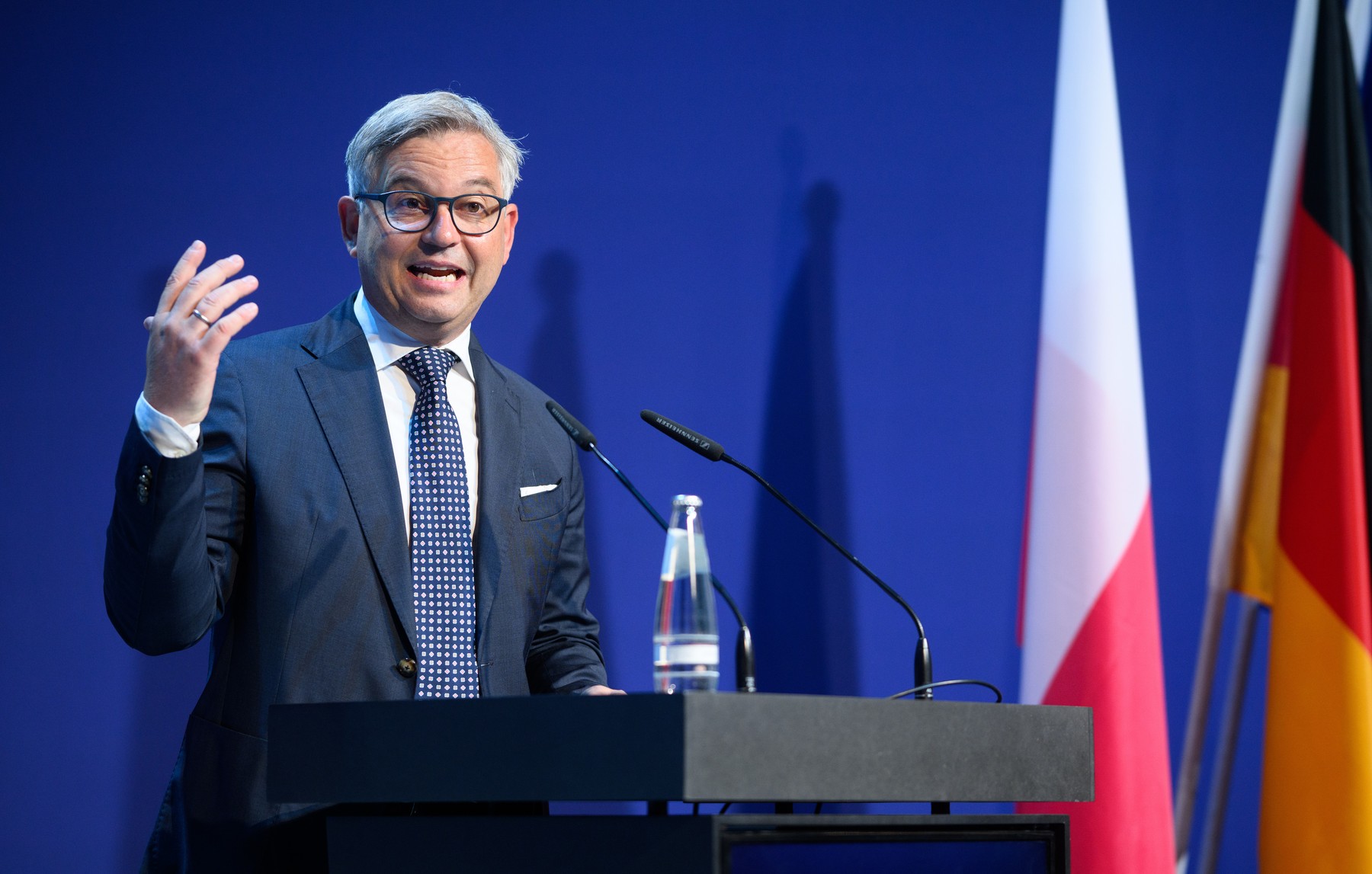
“When it comes to illegal drugs, Europe is approaching a tipping point,” European Commissioner for Home Affairs and Migration Magnus Brunner said on Thursday, presenting the new EU Drug Strategy and Action Plan against drug trafficking.
They envisage measures to increase international cooperation, stop the importation of illegal drugs, dismantle production laboratories, limit the recruitment of young people into criminal networks and combat the growing drug-related violence that has come to “hold hostage” European capitals.
As organized crime networks evolve and traffickers constantly find new “loopholes” to bring drugs into Europe, the EU and member states will work with customs authorities, specialized agencies and the private sector to more effectively monitor and disrupt trafficking routes by land, sea and air, the quoted source notes.
The plan calls for the use of the latest technologies and artificial intelligence to identify drugs sent by post, monitor air traffic and publish the future EU Ports Strategy, aimed at strengthening security in European ports.
The European border protection agency, Frontex, will receive “state-of-the-art resources”, Brunner said, including high-resolution satellites and drones.
“Traffickers are using the latest technologies, which means we need innovation to beat them,” said Brunner. To keep up, the European Commission will create a Security and Innovation Campus, which will support research and testing of cutting-edge technologies from 2026.
“We are sending the drug lords and their organizations a clear message: Europe is fighting back,” Brunner said.
In addition to the increase in illegal drug imports, Europe is also facing the expansion of domestic production of synthetic drugs, with authorities shutting down up to 500 laboratories each year. To combat this phenomenon, the European Drugs Agency will create a European database of drug manufacturing incidents and an EU-wide substance database to help Member States identify synthetic drugs and chemical precursors.
The EU is also reviewing the current legislative framework, with a review of the rules against organized crime and the existing Framework Decision on drug trafficking by 2026.
EUDA's new European alert system, launched a few weeks ago, will allow rapid warnings about serious risks associated with drugs, including very powerful synthetic substances; while the European early warning system will help identify new substances and quickly inform capitals.
Europe is experiencing a sharp increase in the availability of cocaine, synthetic stimulants and strong opioids amid increasingly complex trafficking networks and an increase in drug-related violence, particularly in Belgium and the Netherlands.
The amount of drugs seized in the EU increased dramatically between 2013 and 2023, the commissioner said, with authorities seizing 419 tonnes of cocaine in 2023, six times more than a decade ago.
But it's not just about drugs, the illegal trade comes with “bloodshed, violence, corruption and social damage,” Brunner said.
Criminal networks are increasingly recruiting young people and vulnerable people, often using social media platforms. To combat this phenomenon, the EU will launch a European-wide platform “to prevent the involvement of young people in drug trafficking”, which will connect experts from all over Europe.
“I think that's critical, getting involved as early as possible in young people's lives to prevent drug use,” Brunner said.
The new strategy, together with the accompanying action plan, will set out how Europe must tackle this growing crisis in the period 2026–2030.
“Too many have already been lost to death, addiction and violence caused by traffickers. Now is the time to change direction,” he added.