High levels of 'eternal chemicals' found in European breakfast cereals. What other foods are contaminated?


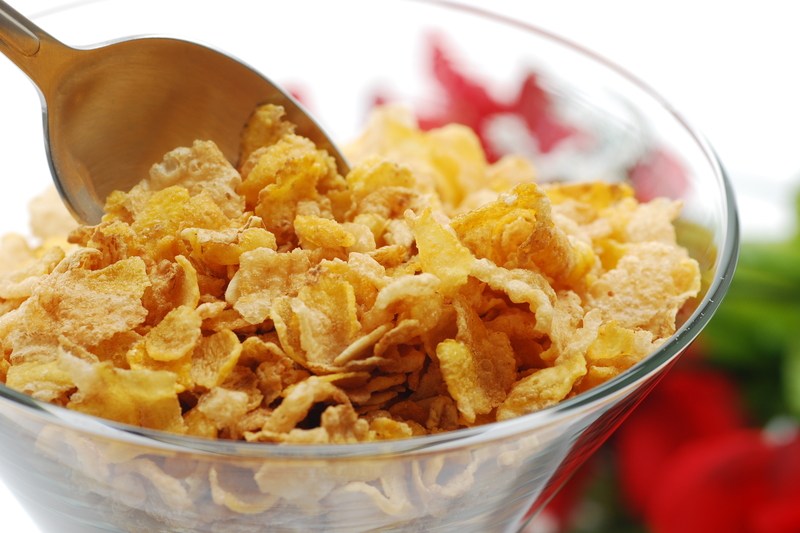
Illustrative photo. Photo source: Dreamstime.com
A study by the European Pesticide Action Network (PAN Europe) finds that the most contaminated foods are breakfast cereals, with average concentrations 100 times higher than in tap water, according to The Guardian.
Commonly eaten breakfast cereals in the European Union have “high levels” of trifluoroacetic acid (TFA), according to the study. TFA is a byproduct of soil breakdown of pesticides containing PFAS — highly persistent chemicals that have been in use since the 1950s.
The PAN analysis was performed on 65 common grain-based products purchased in 16 European countries, including breakfast cereals, popular sweets, pasta, croissants, wholemeal and refined bread and flour.
“Everyone is exposed to TFAs through multiple routes, including food and drinking water. Our findings underscore the urgent need to immediately ban PFAS pesticides to stop further contamination of the food chain,” PAN Europe policy officer Salomé Roynel said in a statement.
The conclusions show that “the most contaminated food is a typical breakfast cereal-based product”, because in terms of trifluoroacetic acid “the average concentrations are 100 times higher compared to those in tap water”.
The study shows that 81.5% of the samples analyzed were contaminated with TFA, with the highest levels being recorded in wholemeal bread purchased in Belgium – 340 micrograms per liter (µg/l) -, with the PAN Europe study also identifying 120 µg/l in toasted bread.
Also, the analyzes showed a concentration of 26 µg in Italian pasta. PAN Europe warned, however, that this could only be the tip of the iceberg, given that only one sample was tested.
A substance that is extremely “toxic to the reproductive system.”
“TFA, a breakdown product of PFAS pesticides and fluorinated gases, is highly persistent, mobile and reproductively toxic. Industry studies also associate it with reduced sperm quality and adverse effects on thyroid, liver and immune function,” PAN Europe said.
This water-soluble chemical accumulates in water and soil, where it is absorbed by plants, which could explain the high concentrations found in products such as bread, pasta and baby biscuits.
“All samples exceeded the maximum residue limit. We cannot expose children to reproductively toxic chemicals. This requires immediate action,” stressed the environmental organization, which called on the European Commission and member states to ban PFAS pesticides and monitor TFA content in food.
The EU has already restricted some PFAS in consumer products such as pizza boxes and cosmetics and plans to present a review of the REACH chemicals regulation in 2026.
Photo source: Dreamstime.com