2025-11-28 16:56
publication
2025-11-28 16:56
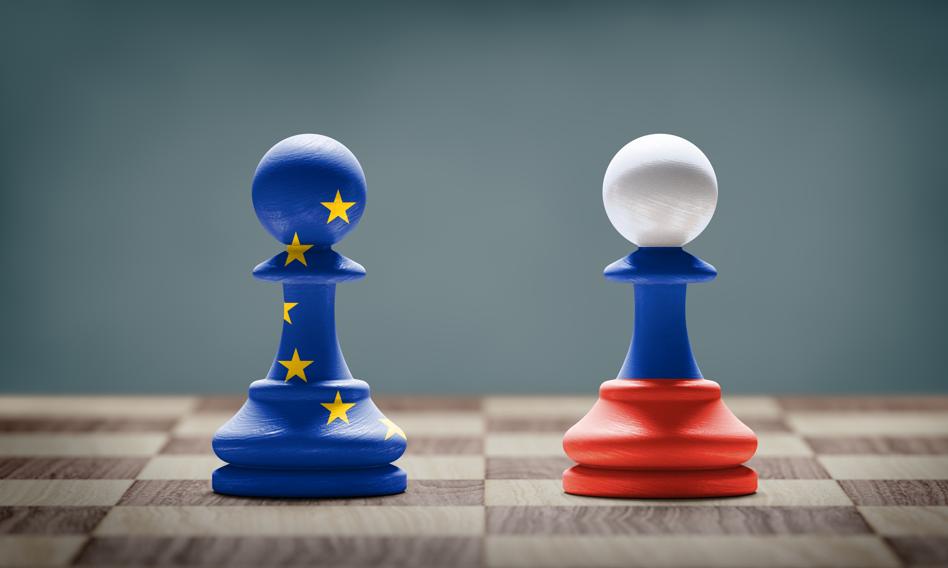
The Politico website wrote, citing representatives of EU countries and EU diplomats, that Brussels is considering hybrid attacks against Russia. According to Politico, the activities will include “cyber operations, coordination in pointing out Moscow's aggressive actions and conducting unannounced maneuvers.”
From defense to attack. Changing thinking in Brussels
The portal emphasized that European Union countries have decided to take actions that “would have seemed absurd just a few years ago: they are planning how to respond with an attack.”
“A more active response is needed,” Latvia's foreign minister Baiba Brazhe told Politico. She added that this was required by the Russians' “constant testing of the borders”. In the opinion of the head of the Latvian Foreign Ministry, Moscow is checking “how far we can go.” As examples of such activities, she mentioned “the presence of Russian drones over the territories of Poland and Romania in recent weeks and months, disruptions in the operation of airports and military bases across the continent”, as well as “jamming of GPS signals” and an act of sabotage on the railway line No. 7 in Poland.
Politico assessed that the hostile actions of Russian services in various European countries “are nothing new”, but also quoted the Slovak think tank GLOBSEC, according to which in the first half of this year “people linked to Moscow committed over 110 acts of sabotage and attempted attacks, mainly in Poland and France.”
Generals and politicians want to act
The portal also quotes the Supreme Commander of the Swedish Armed Forces, General Michael Claesson, who emphasized that European countries cannot “afford fear and fear of escalation.” – We must be decisive – emphasized the Swedish general.
Politico recalled that so far the actions of European countries have consisted “primarily in strengthening defense”, but – as the portal emphasized – “after the shooting down of Russian drones over Poland, NATO announced the strengthening of air defense on its eastern flank, and the EU issued an appeal for this.”
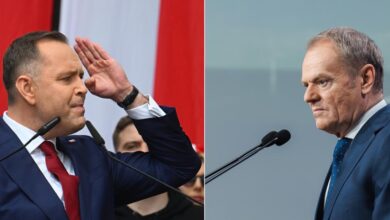
The portal cited statements by leading politicians of EU countries, including the head of EU diplomacy Kaja Kallas, that the EU must “react decisively” to the attacks, and the accusation of Polish Prime Minister Donald Tusk of Russia practicing “state terrorism”.
Additionally, Italian Defense Minister Guido Crosetto criticized the continent's “inertia” in the face of hybrid attacks and presented a 125-page retaliation plan. It assumes, among others: creation of the European Center for Combating Hybrid Warfare. In this context, the portal also quotes the head of Polish diplomacy, Radosław Sikorski, who stated that “Russia is clearly escalating its hybrid war against EU citizens” and called for a review of security procedures.
Ethical dilemma: can the West use Russia's methods?
Politico also emphasized that harsher rhetoric does not translate directly into a more decisive reaction towards Russia. In the opinion of the portal's interlocutor, Professor Kevin Limonier, EU countries are more limited than Russia in operating within the rules. – “This raises an ethical and philosophical question: can rule-of-law countries afford to use the same tools and the same strategies as Russia?” – said in an interview with the website the deputy director of the Parisian think tank GEODE.
The authors of the publication in Politico emphasized that NATO has a defensive nature, which – as stated – makes the Alliance distrustful of offensive actions. – “We do not intend to stoop to the same tactics as Russia,” one of the Alliance's diplomats told the portal.
They also recalled the statement of former NATO spokeswoman Oana Lungescu, according to which the Alliance should “prioritize shows of force that illustrate its potential and unity.” She added that in practice “this means quickly announcing whether Moscow is behind a given hybrid attack, as well as organizing military exercises 'without notice' on the border of Lithuania or Estonia with Russia.” (PAP)
piu/ mal/