“Confusion, Rivalry and Incompetence in the Trump Administration”. How the US peace plan for Ukraine blew up, before it was modified in Geneva with Kiev


The US-Ukraine negotiations in Geneva have resulted in changes to a draft peace agreement favorable to Russia and appear to have saved Kiev's relations with the Trump administration for the time being. But Washington's conflicting signals and changing proposals on the war in Ukraine are unsettling Kiev and its allies as negotiations approach a critical phase, write the Financial Times and The Economist.
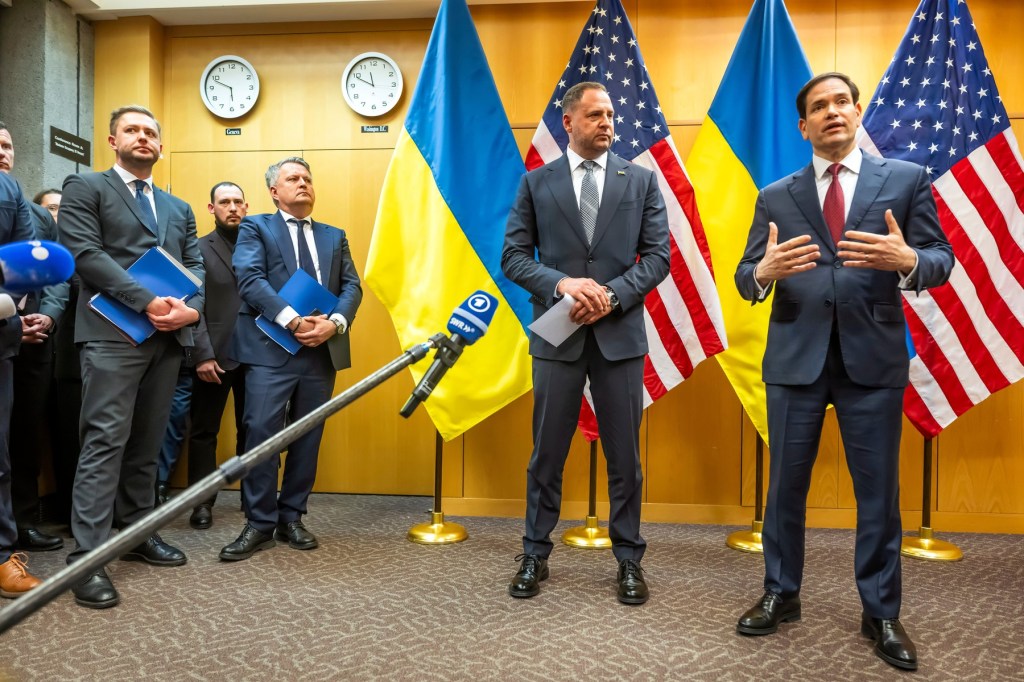
At the end of talks in Geneva with Ukrainian officials, US Secretary of State Marco Rubio sounded optimistic about the chances of a peace deal ending the bloody war that has been wreaking havoc on the edge of Europe for nearly four years.
“The points that remain open are not insurmountable. Frankly, I think we will get there,” Rubio said, while expressing caution and warning that Russia still needs to approve any draft deal agreed to by Washington and Kiev.
 What does the new peace plan developed by the US and Ukraine in Geneva propose / The 19-point project leaves important decisions pending / What's next
Rubio's comments capped a frenetic five days in which Donald Trump pressured Ukraine and President Volodymyr Zelensky to accept Washington's new peace plan — which caused surprise and anxiety in Kiev and European capitals.
The intense pressure on Kiev, including Trump's ultimatum for Ukraine to accept a deal by Thursday, marked a new twist in the diplomatic saga over the war, which has already included numerous shifts in the US president's position.
Moreover, in just two days, Trump attacked Ukraine for being ungrateful for US efforts, then immediately hailed the progress made in the negotiations, even suggesting he was optimistic: “Something good might happen.”
There has been talk of Trump possibly hosting Zelenskiy in Washington this week to cement the deal.
But some members of the Ukrainian president's circle recommended him to stay in Kiev, in order not to risk a new confrontation with Trump that could compromise the progress made over the weekend, writes the Financial Times.
“A very good deal for Russia”
Observers still question the authorship of the 28-point plan, leaked to the media by the Russian side, according to some.
The international press reported that the text of the US-proposed plan, as it appeared in several publications in English, appears to have been translated from Russian.
For critics of the Trump administration, the answer to that question was simple. “This is Putin's plan,” Arizona Democratic Senator Mark Kelly told CBS on Sunday. “It's a very good deal for Russia. It's a horrible deal for Ukraine, for our allies and even for our own national security,” he added.
Some Republicans shared his view.
“If administration officials are more concerned with pleasing Putin than securing real peace, then the president should find new advisers,” said Mitch McConnell, Republican of Kentucky and former leader of the party in the US Senate, a Trump critic.
The Economist: Confusion, rivalry and incompetence in the Trump administration
The peace plan proposed to Ukraine by US officials has revealed the confusion, rivalry and incompetence within the Trump administration, writes The Economist.
The initial proposals appeared in the press – the American website Axios being the first to publish the text – following discussions between Steve Witkoff, Trump's special emissary, and Kirill Dmitriev, Vladimir Putin's emissary, which also included Trump's son-in-law, Jared Kushner.
The draft accord, many observers said, was heavily skewed in favor of Russia.
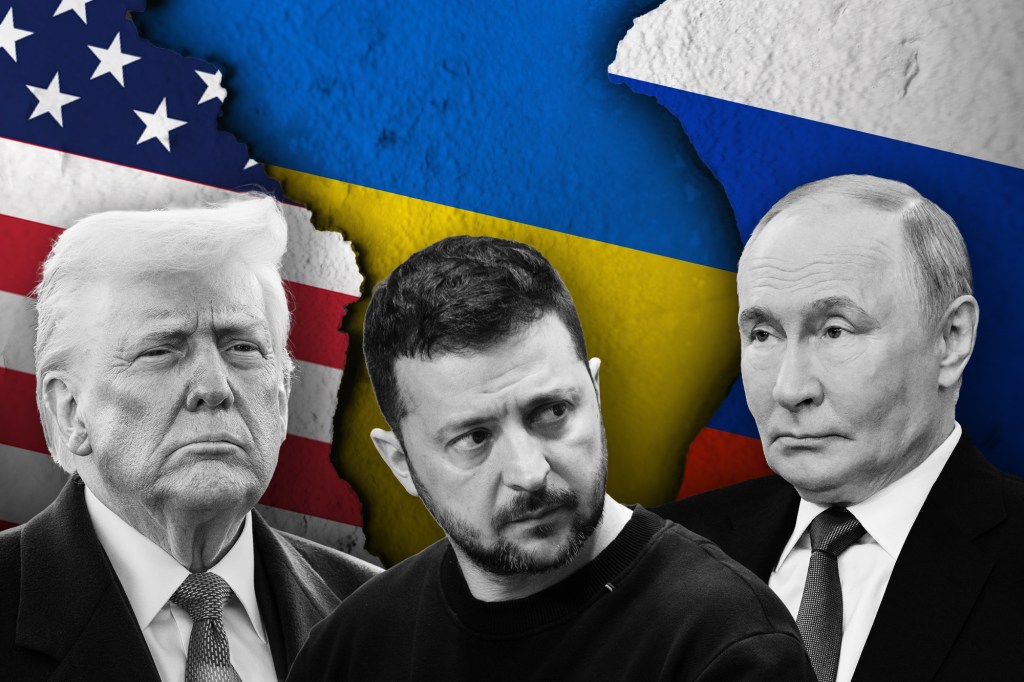 What does the 28-point peace plan that Trump is imposing on Kiev contain, in full / Ukraine cedes territories, reduces its army, receives security guarantees in return
Ukraine had to cede territories in the east of the country (the entire Donbas region), reduce its army, renounce NATO, adopt other decisions favorable to Moscow and receive security guarantees in return. Not very credible, according to critics.
Russia was completely exempt, escaping sanctions, and the US was getting substantial financial gains.
Voices from Ukraine, from Eastern and Western Europe and from Romania abolished the plan and highlighted how advantageous it is for Russia.
European officials harshly criticized the plan and came up with a counter-proposal – which Rubio insisted he had not seen.
In the European plan, the fighting would stop on the current front lines, leaving the discussions on the territory for later, and Ukraine would receive a security guarantee from the US, in the form of the one in the NATO treaty.
Central characters: Witkoff, JD Vance, Rubio
Witkoff was once again the easy man to fool, writes The Economist. And JD Vance, once again – the one who tried to sabotage relations between America and Ukraine, adds the British magazine.
In February, the vice president contributed to the televised spat between Trump and Zelenskiy at the White House. This time, he promoted a plan that favors Russia, writes The Economist.
Vance called Zelenski to lay out the terms of the plan, and it was US Army Secretary Dan Driscoll – and Vance's college friend – who personally delivered the message to Kiev – basically handing out the 28-point plan.
Secretary of State Marco Rubio was then the one who tried to bring things back to normal, to reach an agreement with Ukraine.
But at one point, Rubio also seemed overwhelmed by the situation. Initially, the Secretary of State told US Congressmen that the original plan leaked to the press was more of a Russian document.
“It's not our recommendation. It's not our peace plan,” Rubio reportedly said, according to Republican Sen. Mike Rounds of South Dakota.
But at the time, Trump and many members of the administration had embraced the plan as an American one.
Within hours, Rubio was forced to retract his comments, portraying them as a misunderstanding.
“The peace proposal was drafted by the US. It is offered as a solid framework for ongoing negotiations,” the secretary of state wrote on X Saturday night.
Russia sees with better eyes the initial plan assumed by the US
In Geneva, the United States and Ukraine drafted a new 19-point peace deal, but left the most politically sensitive elements to be decided by the two countries' presidents.
The biggest sticking point has been Ukraine's refusal to relinquish territory it controls in eastern Donbas – a key Russian demand – and its insistence that any deal be based on the current front line, writes the Financial Times.
But the US has been more open to providing stronger security guarantees to Kiev, with Washington revising the plan to make it more palatable to Ukraine.
“Ukrainian officials believe the current draft reflects their national interests and provides credible and enforceable mechanisms to protect Ukraine's security in both the short and long term,” the White House said late Sunday.
In Geneva, Rubio warned that for now we could only talk about an “ongoing process” and that any deal reached would have to be approved by both Zelenski and Trump, likely at a meeting in Washington.
Next comes the most difficult step – Russia's agreement. And for now, Moscow has signaled that it does not take kindly to other plans – although it has a much better opinion of the original 28-point draft.
 Russia, sharp reaction to the counterproposal of the Europeans to stop the war in Ukraine. “It doesn't work for us”
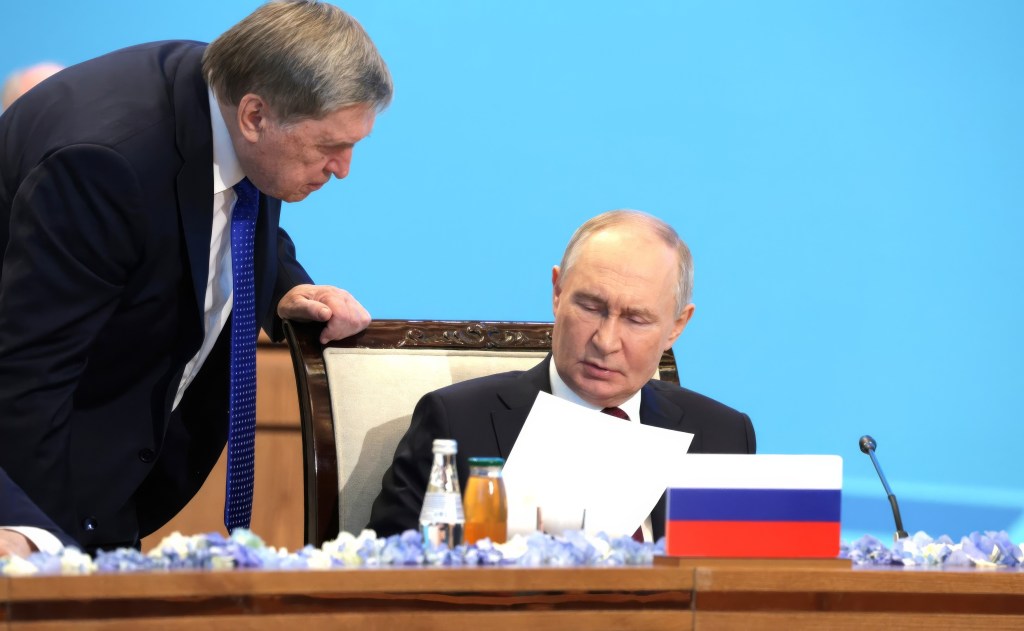
A senior adviser to Russian President Vladimir Putin ridiculed Europe's plan and said the Kremlin preferred US President Donald Trump's original proposal.
Yuri Ushakov, an adviser to the Russian leader, told reporters in Moscow that the EU's peace plan, launched in response to Washington's 28-point plan, “doesn't suit us constructively at all.”
Ushakov added that Trump's plan, which included several major concessions to Russia, was more “acceptable” to the Kremlin.