
Human capital, innovation and digital transformation, the strongest competitive advantages of the business services industry in Romania

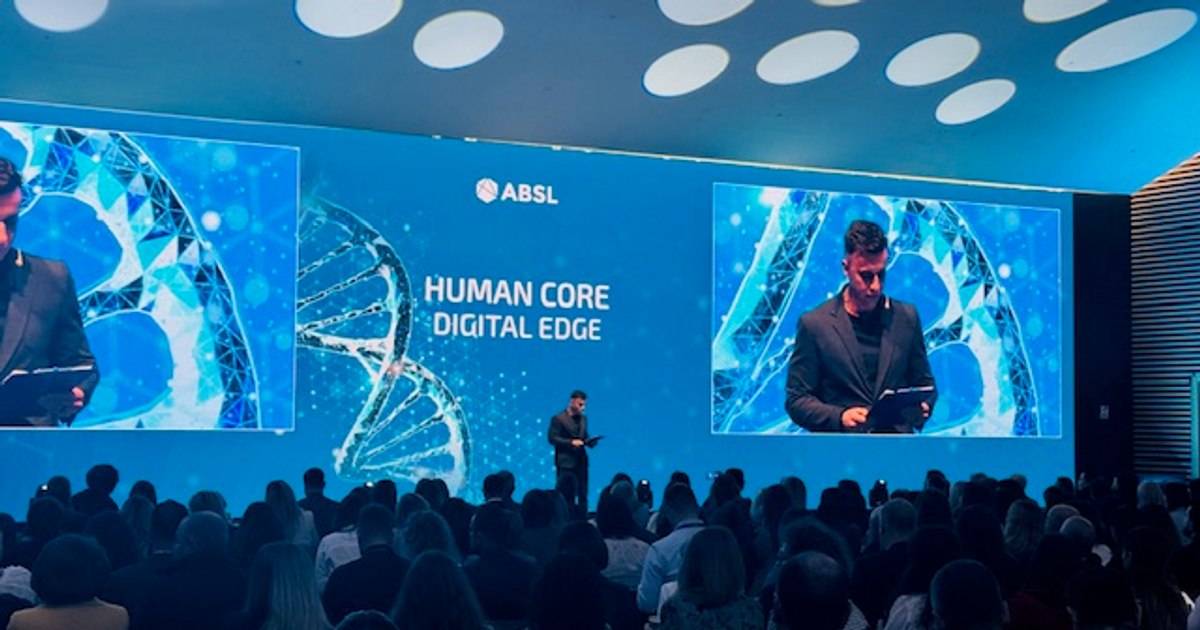
The services provided by the industry will transform in the coming years, especially through the adoption of solutions based on artificial intelligence and automation.
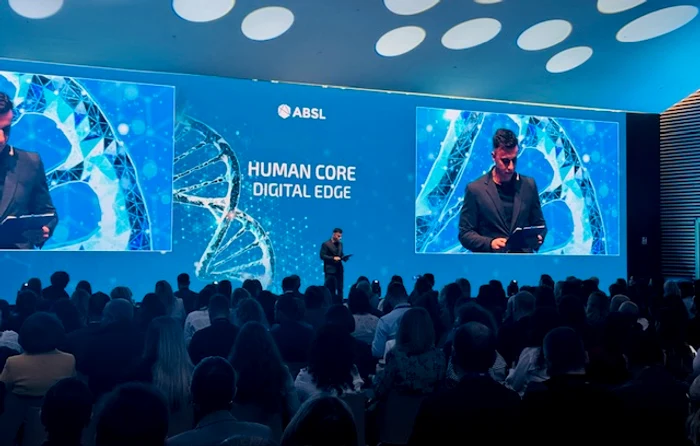
The Association of Business Service Leaders (ABSL) organized the Annual Conference
The Association of Business Service Leaders (ABSL) held its 13th Annual Conference, an event that brought together more than 500 leaders from the business services industry. This year's theme, “Human Core, Digital Edge”, emphasizes the importance of human capital in Romania and how it has contributed greatly to the success of the development of this industry and its positioning in the top of the most attractive business services markets globally. This human expertise is enhanced by digital technologies, generating services that are increasingly intelligent, fast and adapted to today's economic realities.
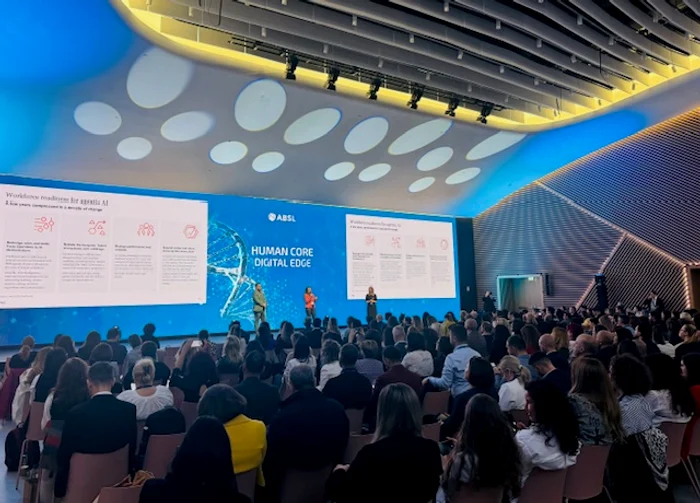
The Association of Business Service Leaders (ABSL) organized the Annual Conference
According to the Industry Report for 2025, developed by ABSL in partnership with PwC Romania, our country is strengthening its competitive position in the global business services sector, thanks to the more than 280,000 active professionals in the field and the considerable number of potential employees. According to the report, the top three reasons why participating companies chose to invest in Romania are: the availability and quality of human resources, high-performance infrastructure, as well as digital skills combined with linguistic skills, thus reconfirming Romania's attractiveness. Added to these are productivity and labor costs.
Specialized labor remains the main driver of an industry where the top 5 services provided globally are: finance and accounting (69% of participating companies), IT services (69%), HR (61%), customer support (57%) and procurement (53%). Artificial intelligence has accelerated the transformation of the sector in Romania, which has evolved from the provision of simple services to the development of solutions with high added value – such as process engineering, risk management and fraud prevention.
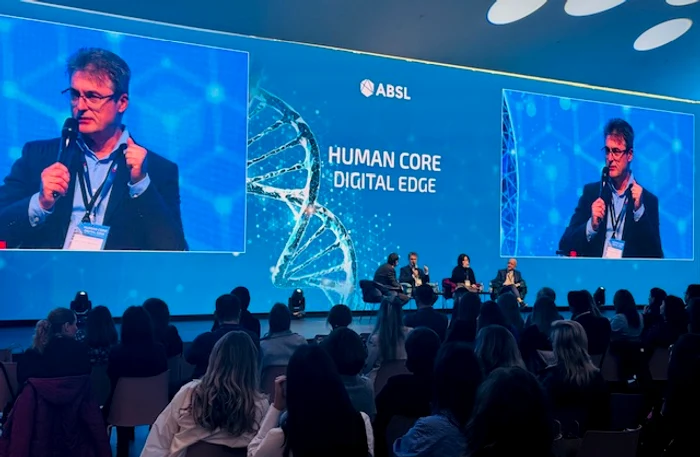
The Association of Business Service Leaders (ABSL) organized the Annual Conference
Romania has evolved from cost-arbitrage oriented service centers to regional hubs of excellence focused on value creation and niche expertise. With integrated artificial intelligence, companies develop specialized human capital for complex activities such as process engineering, managing high-risk operations and fraud prevention. More and more global organizations choose Romania as a reference for regional centers of excellence.
According to the ABSL report, the key skills for the coming period include technical expertise in finance, accounting and operational support, alongside digital skills, knowledge of foreign languages and adaptability – essential criteria in a context marked by artificial intelligence and accelerated change.
“Although many investors turn to Asia, especially to India or the Philippines, against the background of the global geopolitical context, Romania continues to be one of the preferred destinations, thanks to the high productivity, technical skills combined with linguistic ones, professional certifications as well as belonging to the Euro-Atlantic structures!points out Cătălin Iorgulescu, vice-president of ABSL.
Romania maintains a relatively competitive cost advantage in the region, even though wages in the business services industry recorded an average increase of 5.8% in 2025, with another similar increase forecast in 2026.
“The sector has reached a level of maturity, employee mobility has reduced, so the average length of time spent in a company has reached four years, according to the ABSL report. At the same time, the recruitment process has become more cautious against the background of the economic situation, but also of the implementation of new technologies, a trend that will be maintained in the coming year. The number of employees in the sector grew at a slower pace compared to previous years, by an average of 5%, and the average gross salary stands at 13,060 lei, a level still competitive compared to other European states. Romania has at least ten cities with over 200,000 inhabitants that are attractive for this sector. Therefore, there is potential for development that can be exploited”, quotes Francesca Postolache, PwC Romania Partner.
The global economic and geopolitical context has led employees to value job stability and security more. In the context of hybrid work, companies use different methods to increase employee motivation and engagement, such as facilitating communication and team meetings (51%), providing access to training and professional development programs (36%) and implementing wellness programs (30%). However, more and more companies (85% of participating companies) implement a 2–5 day work week office schedule.
“In the coming years, the services offered and the structure of our industry will change significantly. Companies plan to innovate and develop new services, especially in areas involving the use of artificial intelligence and process automation (29%), industry-specific solutions (24%), consulting (13%), operations and customer support (10%), and services that address the area of risk, compliance and security (3%), according to this year's report.” says Adrian Baron, President of ABSL.
The report was carried out by ABSL and PwC Romania between July and November 2025, on a sample of 70 companies.


