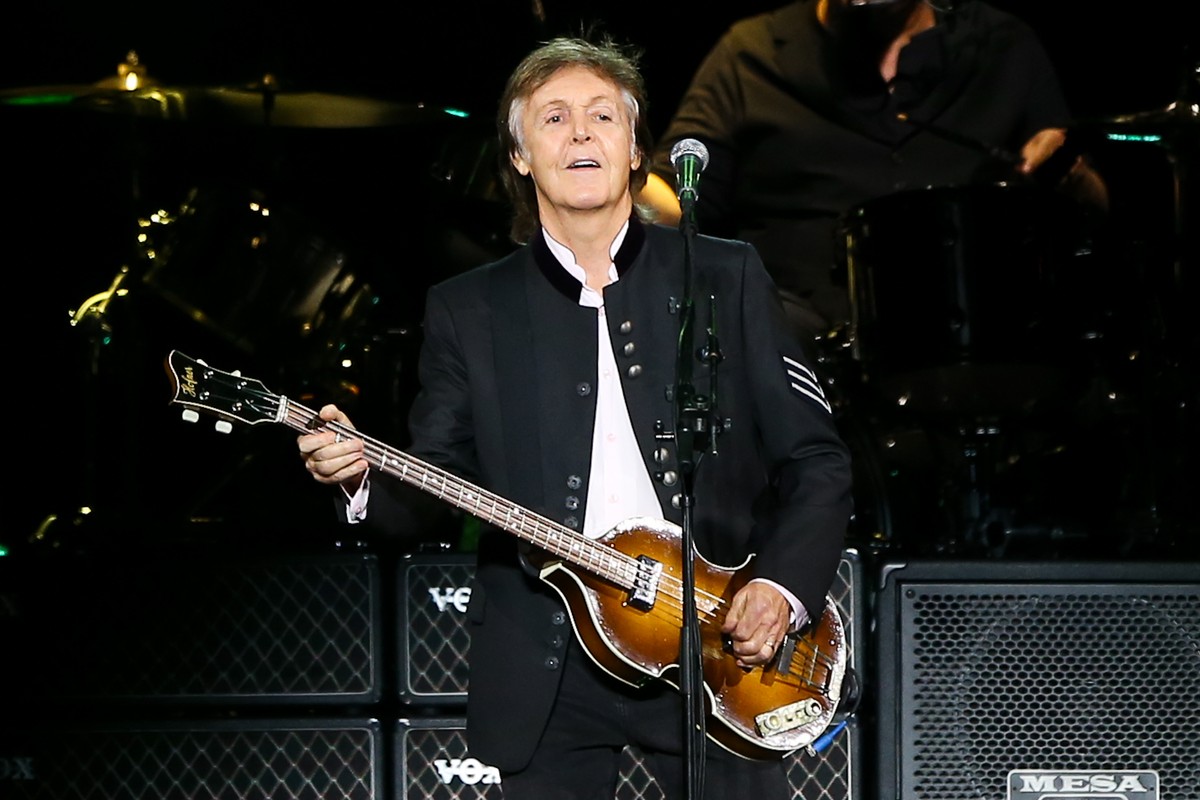
Paul McCartney, music legend and former member of The Beatles, has released his first song in five years. However, this is not a typical composition – instead of melody and lyrics, listeners will hear almost complete silence. It is an artistic protest against the use of musicians' works by artificial intelligence companies without their consent.
See also: Paul McCartney warns against AI. “Someone gets paid, but not the creator”
The work will appear on the vinyl album “Is This What We Want?”, which is scheduled for release at the end of November. The album's description states that “the British government should not legalize the theft of music for artificial intelligence companies.”
“Paul McCartney's new song is titled (bonus track) and it can be said that it is like his best works, that is, it has a beginning, middle and end. It begins with 55 seconds of tape noise, followed by 15 seconds of an undefined clatter, which may resemble the sound of someone opening a door (…), and when it stops, for the next 80 seconds there is a hissing, intermittent rustle, ending with a slow, haunting silence,” describes “The Guardian”.
The legendary musician recorded a song full of noise and clatter. This is a protest against AI
In addition to McCartney, other British music artists are taking part in the protest campaign, including: Sam Fender, Kate Bush, Hans Zimmer and the Pet Shop Boys.
Artists are opposing the UK government's plans to strike a new deal between creators and artificial intelligence companies such as Open AI, Google, Anthropic and xAI. These companies are demanding access to vast amounts of data including text, images and music with which they can exercise artificial intelligence.
See also: I'm over 40 years old and this is the third time I'm making a coup in my career. I applied for over 80 recruitments, with no results
In response to McCartney's protest, a British government spokesman stated that the interests of British citizens and businesses came first. “We have always been aware of the need to cooperate with both the creative industry and the artificial intelligence sector – we want to stimulate innovation in the field of artificial intelligence, but also provide creators with solid protection,” said the government representative.