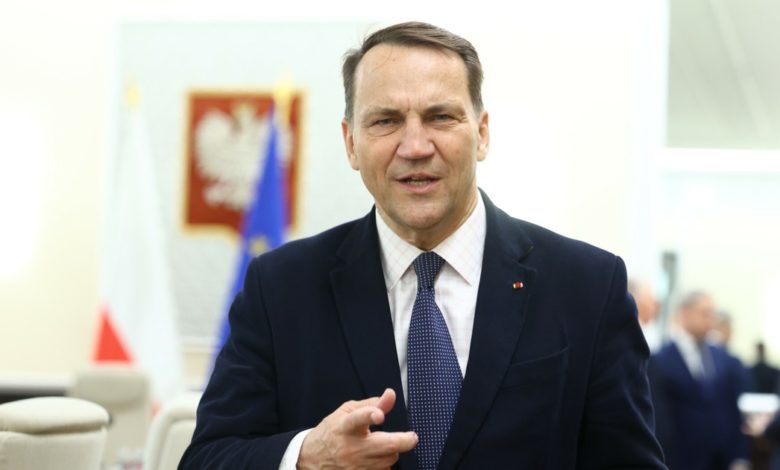
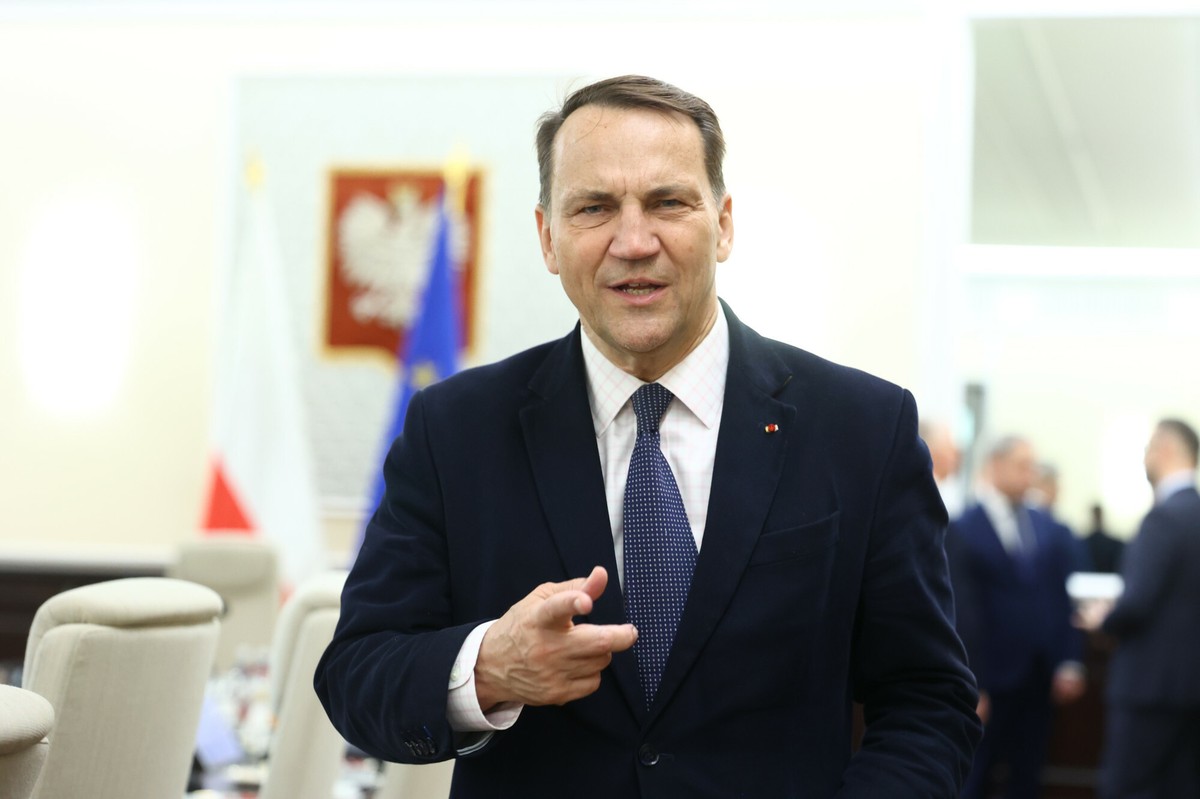
The head of the Ministry of Foreign Affairs Radosław Sikorski is to provide information on the tasks of Polish foreign policy in 2025 on April 23.
The spokesman of the ministry emphasized in an interview with PAP that this deadline was elected so that the minister's speeches could be heard by President Andrzej Duda, and Prime Minister Donald Tusk, whose plans are very tense.
– This “expose” is to be a response to the fears that appear in Polish homes: on the one hand it is a war, and on the other, a time of great uncertainty on the international arena. The Minister of Foreign Affairs would like not only politicians, but above all to the Polish society to present an analysis of the current situation – what he is obliged to – but also directions of activities that will make Poland safer – said Wroński.
Sikorski in numerous press interviews emphasizes that the current international situation is much more dangerous and complicated than a decade ago.
After an expose No. 2
At the end of March, the ministers at a government meeting were familiar with the assumptions to be presented in the Sejm. Prime Minister Donald Tusk, starting this meeting, at that time appealed to the members of the government for insightful studies of the head of the Ministry of Foreign Affairs. He also pointed out that the geopolitical situation is “a great challenge for our diplomacy.” He emphasized his belief that “the competences of people dealing with foreign policy are starting to play an extraordinary role again.”
The previous “expose” regarding the assumptions of the Polish foreign policy in 2024. Sikorski presented on April 25, 2024. The head of diplomacy emphasized in him that the primary goal of diplomacy is Poland's security; He also talked about an alliance with the USA and help fighting Russian aggression Ukraine.
Sikorski emphasized at the time that the main goal of foreign policy is to ensure the security of the state understood as the certainty of survival and development. The development and security of Poland – he said – must be based on two pillars: transatlantic cooperation – maintained regardless of the decisions of American voters – and European integration, and both these directions do not conflict.
In Sikorski's speech, delivered nearly a year ago, there was a criticism of its predecessors. As the head of the Ministry of Foreign Affairs assessed at the time, the Polish foreign policy in 2015-2023 was a series of missed ideas and improper decisions. The biggest mistakes of the previous team included: a chronic conflict with EU institutions; Marginalization of Poland in the most important debates at the EU and NATO forum; corruption of relationships with neighbors and important partners – especially with Germany, but also with Ukraine; The belief that Poland should make a choice between close relations with European partners and cooperation with the United States; An ideological alliance with populists and disassembly of the Ministry of Foreign Affairs as a foreign policy center and degradation of foreign service.