INVESTIGATION 'Electric' poaching in the Danube Delta threatens fish and water, but in a way that changes what we think about the locals. “If we don't have water, we are no longer us”

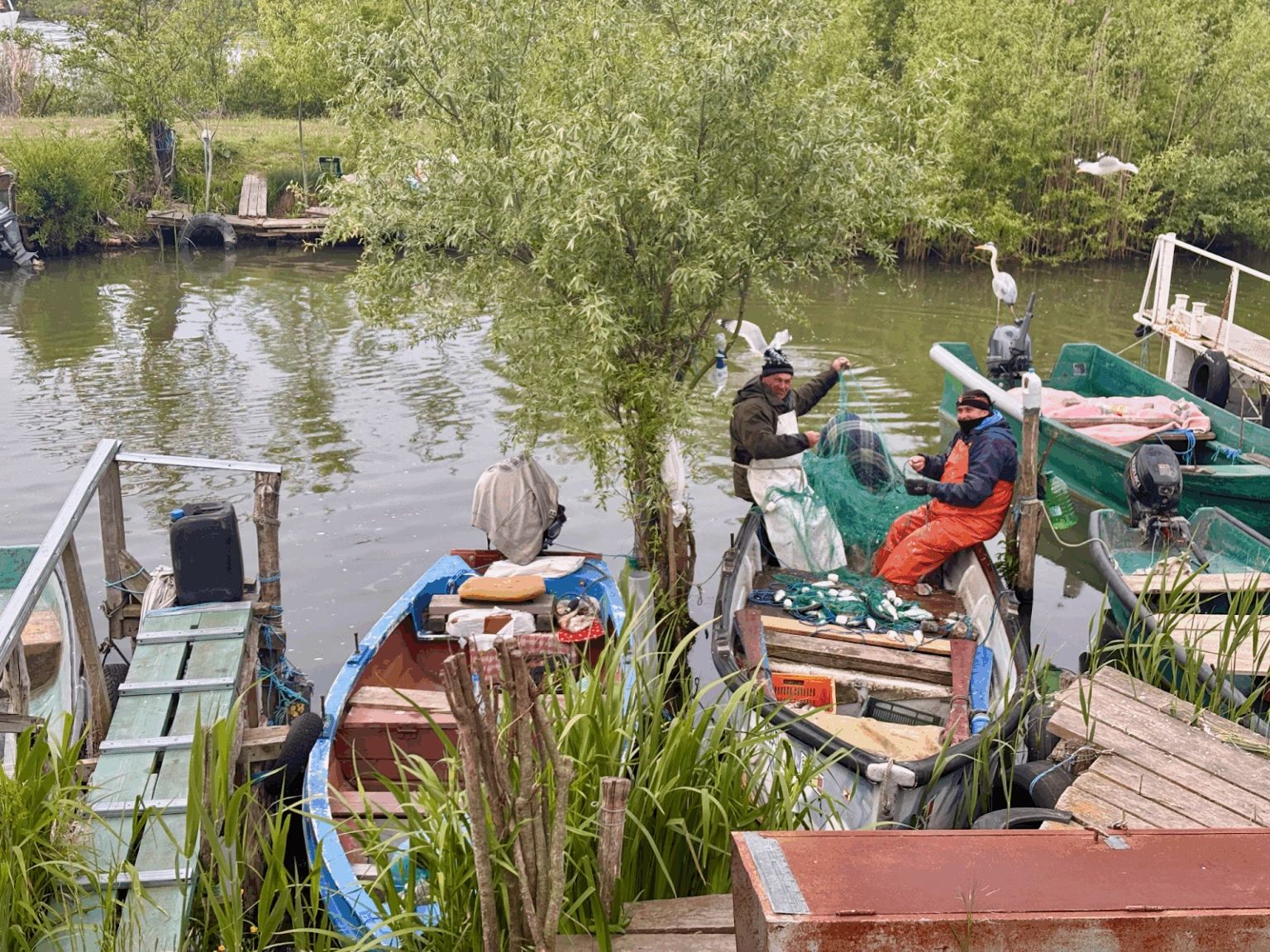
When you look at the small harbors of the Delta villages, you still see fishermen with winches and nets thrown through their boats, ready to hit the water. But the number is in continuous decline. Villages that were full of life become empty generation after generation. And, despite the legend that circulates in the big cities or in the rest of Romania, the people here know very well that they are not the ones doing the big poaching.
- “Morun, mackerel, turbot, anchovy, whiting, sprat, all the nations of fish. These were our fish. It was fish we fed to pigs,” says Nea Fănică, 57 years old and 46 years on the water.
- Next to him, Ștefan Pimon, another old fisherman from the village of Jurilovca, says that migration among fishermen is intense. “There were about 250, now there are about 45 left.” In the Delta, you barely reach 1,200 lei a month struggling with fishing, he claims, while young people who go to Ireland, Denmark or Scotland take other money. “We'll see when I get home.”
- Fishermen look with admiration and jealousy towards the countries of Western Europe. In Scotland, says Adrian, another fisherman, you have a credit card, access to ice, the goods are easily managed, and the money goes directly into the account. In Spain, there is a fish market like a stock exchange, with plasmas and barcodes. “Here, poachers destroy everything.”
Poaching and monopolies imposed by fishing boats are killing the fisheries in the Danube Delta, investigative website Snoop documented in an article. State institutions, poorly resourced and ineffective, fail to protect the ecosystem or support local communities. In this chaos, both fish and fishermen are on the verge of extinction.
Only five criminal cases for current fishing in a decade
For example, the official data obtained by the journalists shows that, in ten years, only five criminal cases related to electrofishing.
“I was baptized in this water. We, Lipovians, were born with these waves, with this sunrise, with this wind. If we don't have water, we are no longer us,” explains Ștefan Pimon, a 55-year-old Lipovian and says that fishing is not a job, it is a calling. He comes from a family of four generations of fishermen, but he feels that the future of those like him is slowly drowning, pulled to the bottom by the indifference of the authorities.
In the Danube Delta, the life of fishing hangs on a nylon thread, between poachers, monopolizing hawkers and inefficient institutions.
Nicu Uncu stayed in the Delta, coming as a sailor
“People need to wake up,” sighs another fisherman, Nicu Uncu.
He doesn't know what it's like to live away from water either. Born in Murighiol commune, Tulcea county, Nicu Uncu worked as a sailor on the machines that dug canals through the Danube Delta during Ceaușescu's time. That's how he ended up in the Sfântu Gheorghe area, where he started fishing, got married and started a family.
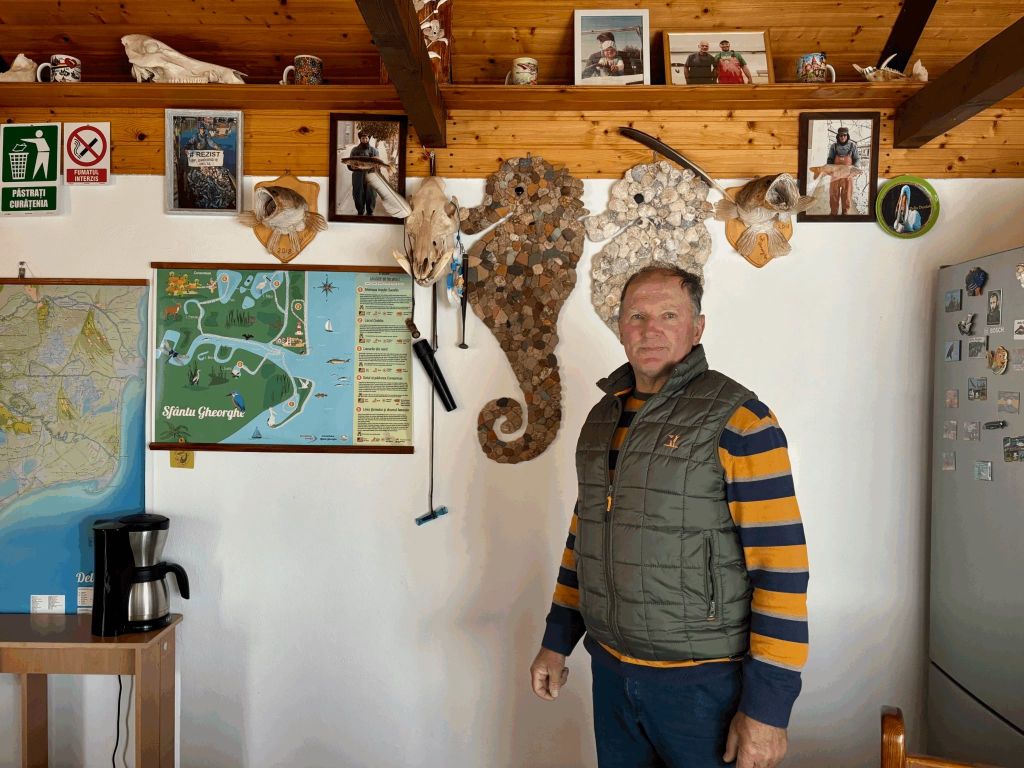
We visit the fishermen of the Delta. Nicu sits on a wooden bench in the courtyard of his boarding house, and talks with broad gestures, as if he wants to catch the ideas that are being lost out of thin air. From pulling to rowing, he has chubby palms and thick, long fingers.
“There were as many fish as you could feed a pig”
Nicu is 61 years old and is one of the few voices left in Sfântu Gheorghe trying to keep traditional fishing alive. He is also the president of the local fishermen's association. Of 110 licensed fishermen, about half make a living exclusively from fishing, he says. The rest found other jobs where they work in parallel: at the water plant, at the military unit, in tourism.
And in the village of Jurilovca fishing is on the verge of extinction. While the old people pull the net with the hope of at least getting the money for gas and utensils, the young people leave for Ireland, Denmark, Scotland. “Oooo, in two months I come home with eight, ten, two thousand euros”, says Ștefan Unguru, aka Nea Fănică.
At home, you make 1,200 lei per month. In Ireland, Denmark or Scotland it is different
Ștefan Pimon also says that, since 2009, most started to leave: “There were about 250, now there are about 45 left.” And the average age of fishermen, they say, is somewhere between 48 and 50 years old.
If he had stayed, he would have lived well below the poverty line with only the money from the fishery, because, according to the fishermen I spoke with, he earns about 1,200 lei per month.
Nea Fănică is 57 years old and has 46 years of experience on the water. He wears a camouflage hat, vest and has sunburnt hands. He says that he pulled so much fishing net out of the water that it went around the earth about three times.
He gives them 2 lei at the cherhana
“Everything is done by hand, I catch ten tons by hand. And if you hit two tons, you spin five hundred meters,” he explains.
But the number of fish is also decreasing. “There were so many fish you could feed a pig,” Nea Fănica huffs. “Thunder, mackerel, turbot, anchovy, whiting, sprat, all nations of fish.”
Now, instead, there is still enough to sell it and not starve. He sells it for 2 lei at the auction, VAT is added, commission is added and by the time it reaches the market it costs 25 lei. “Not that, if I had the cherhana, I would give you a hundred lei per caras, but not even 2 lei… And fifty money was given to me in 2016.”
When winter approaches, it's even harder on the water: the cold is terrible, the wind sharp, and the cold water wets everything. “It's a hard job,” breathes Ștefan, sitting on his motorized tricycle, lightly hitting the handlebars. “But when you see fish in the boat, you forget everything. That's the greatest satisfaction.”
The fish is not caught only with strength and patience, the fishermen make their own tools. “You invest. This summer we made two new dalians, a dalian costs 1,000 lei to make, material only”, explains Nea Fănică.
Protected poaching
In Jurilovca, everyone knows who electrocutes the water to catch fish. Poaching is everywhere, say fishermen. They kill and catch fish with monofilament nets or streamers, while people accuse them of being in cahoots with the authorities.
Ștefan says that if he caught the poachers, he would throw them “in the gutter”.
Power poaching is not only illegal, it is disastrous for the ecosystem. Small fish die on the spot, and large ones, even if they survive, lose their taste and stop spawning. What escapes, flees the area, never returns and cannot reproduce.
The current destroys the small fish
“[Braconierul] when current, it gives [peștele] with the stomach on the back. It makes him dizzy and collects him, but what is small cannot resist. If that fish escapes and spawns, the spawn is no longer good. It flows everywhere. And it spoils, spoils, spoils”, explains Nea Fănică.
And so the fish area is depopulated. Ştefan remembers that, a long time ago, in one day, he and his colleagues brought 116 tons of fish to the cherhana. Record. Now, on the other hand, if they bring ten tons in a day it's already too much, the cherhanaua doesn't even have a market big enough to sell it anymore.
People feel the weather changes
To make the picture complete, climate change adds another layer of disaster. The weather is going crazy: it's hot when it should be cold and cold when it should be warm, and the fish, fooled by the temperatures, spawn at the wrong time, only for the water to freeze and kill them. That means less spawning, fewer fish in future years, and even more pressure on an already declining resource.
“That's nature, Delta. If we don't take care of it, it won't take care of us.”
Stefan complains that many accuse fishermen of destroying the fish population and nature. But he remembers how his grandfather taught him to release the spawning fish so that they would spawn, continue to populate the pond, and in four or five years catch even more. The Lipovean explains how fishermen take care of nature because they understand how important balance is. That is precisely why they consider poaching a crime.
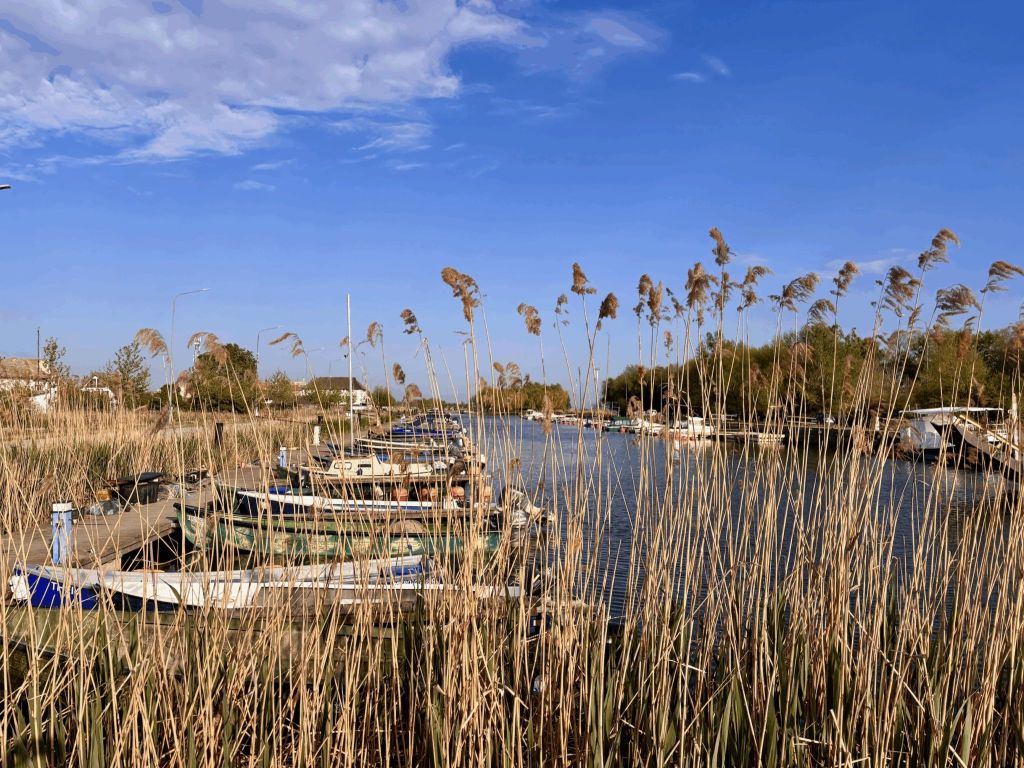
“I can't heat the stove with what I cut from the roof, because the rain is coming and I'm gone to hell. That's nature, Delta, if we don't take care of it, it won't take care of us either,” he says.
How the “superiors” intervene to save the poachers
He says there are still Delta Police that inspire fear. But it is small, poorly equipped and, more often than not, politically blocked. The institutions of force only do their job “when there are two, three together, if there is only one…” he explains.
Nicu from Sfântu Gheorghe and other people we talked to told us an episode in which a policeman caught a poacher, but instead of feeling intimidated, the poacher threatened him that if he didn't get the engine back immediately, the officer's superior would call him, and the policeman would end up returning it. Which, according to people, happened.
The agent who did his job
The fisherman adds: “In court, prove that they poached, [braconierii] they were taking the tools back.” Nicu doesn't think the average fisherman would risk losing his tools, his license, his reputation and his freedom, unless he had his back covered.
Adrian also knows a case: an agent dared to do his duty, but then he received a call. “Let it go you're losing your job. He told him to give him back what he confiscated. I am on the political line”, Adrian complains.
Continuing the investigation, in Snoop.