The US discontinued the one cent coin, which cost 4 cents. And it's not the only country looking at the costs


The US ended production of the dime on Wednesday after more than 230 years of production. When it was introduced in 1793, a penny could buy a cookie, a candle or a piece of candy, the AP writes. Now, most of them sat in jars or junk drawers, and each penny cost nearly 4 cents to make.
“God bless America. We're going to save taxpayers $56 million,” said Treasurer Brandon Beach at the U.S. Mint in Philadelphia before pressing a button to mint the last penny. The coins were then carefully placed on a tray for journalists to see. The last few pennies were to be auctioned off.
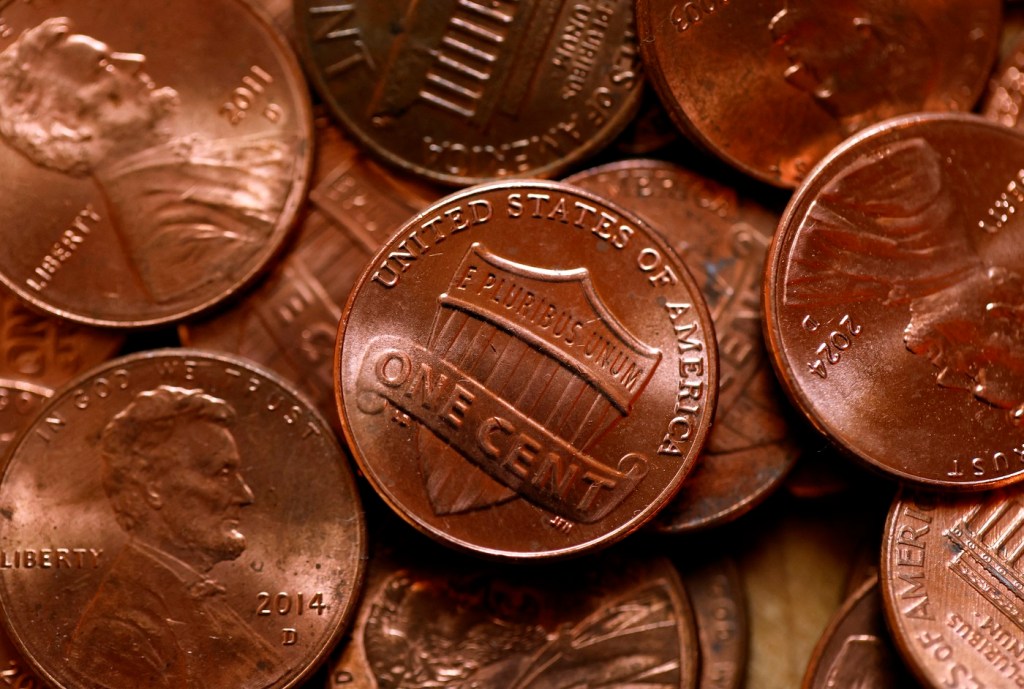
Billions of cents are still in circulation and will remain legal tender, but no new coins will be made.
The last U.S. coin to go out of production was the half-cent in 1857, Beach said.
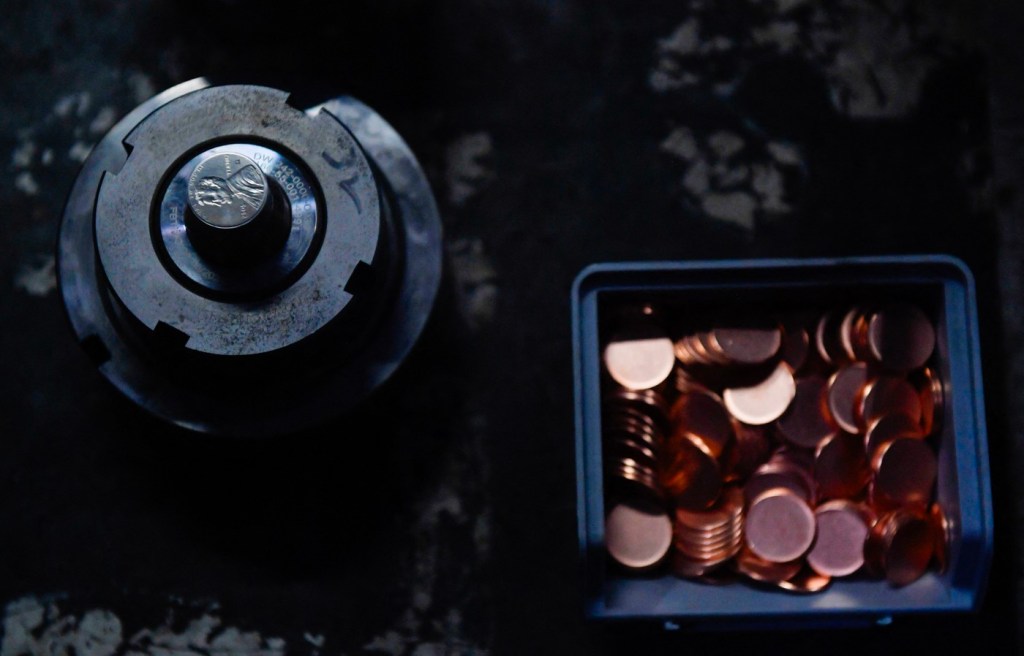
Most of the penny production ended during the summer, officials said. During the final pressing, mint workers stood quietly on the factory floor, as if saying goodbye to an old friend. When the last coins came out, the men and women burst into applause and cheered each other.
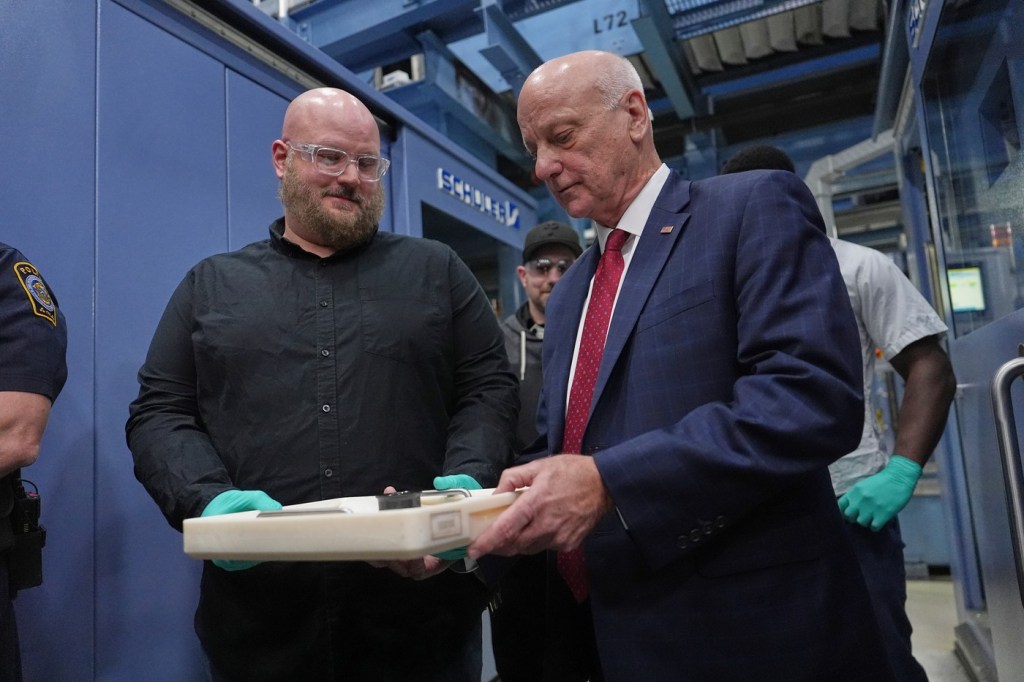
“It's an emotional day,” said Clayton Crotty, who has worked at the mint for 15 years. “But it's no surprise.”
President Donald Trump ordered the demise of the one-cent coin as prices rose and the 1-cent valuation became virtually obsolete.
“For far too long, the United States has minted dimes that literally cost us over 2 cents,” Trump wrote in an online post in February. “It's a waste!”
Still, many Americans have a nostalgia for them, considering dimes to be lucky or fun to collect. And some retailers have expressed concern in recent weeks as stocks run low and the end of production nears. They said the phase-out was too sudden.
Some stores have rounded prices down to avoid disappointing shoppers. The most creative of them offered prizes like a free drink in exchange for a bunch of pennies.
“We've been supporting the abolition of the dime for 30 years. But that's not how we wanted it to go,” Jeff Lenard of the National Convenience Store Association said last month.
Supporters of eliminating the coin cited cost savings, faster processing of orders at cash registers and the fact that some countries have already eliminated 1-cent coins. Canada, for example, stopped minting the penny in 2012.
Some banks have begun to rationalize inventories, a somewhat paradoxical result of an effort to address what many see as an overabundance of coins. In the last century, about half of the coins minted at the Philadelphia and Denver mints were penny coins.
But their production is much lower than the 5-cent, which costs almost 14 cents. By comparison, the 10-cent coin (10 dimes) costs 6 cents, and the 25-cent coin (quarter interest) nearly 15 cents.
Several countries have abandoned the one-cent coin (or its equivalent), removing it from circulation due to high production costs and low utility.
Countries that removed the 1 cent coin
Canada: removed the one cent coin in 2012-2013.
Australia: Ceased production of 1 cent and 2 cent coins in 1992.
New Zealand: Removed the 1 cent and 2 cent coins in 1990 and the 5 cent coin in 2006.
Brazil: production of the 1 centavo coin was stopped in 2005.
Sweden: has withdrawn small value coins since the 1970s, and now there are no coins under 1 krone in circulation.
Norway: Removed 1 and 2 øre coins from the 1970s and the others below 1 krona until the 1990s.
Bahamas: removed the 1 cent coin from use in 2020.
Israel: the 1 agora coin was withdrawn in 1991, and the 5 agorot coin in 2008.
Some countries in the euro zone have officially stopped minting and circulating 1 and 2 cent coins, applying rounding rules: Finland, the Netherlands, Belgium, Ireland, Italy, Slovakia, Estonia, Lithuania (from 2025).
The trend to phase out low-denomination coins continues in more countries as authorities reassess their costs and usefulness