Bulgaria has gas reserves for just one month before US sanctions against Lukoil take effect

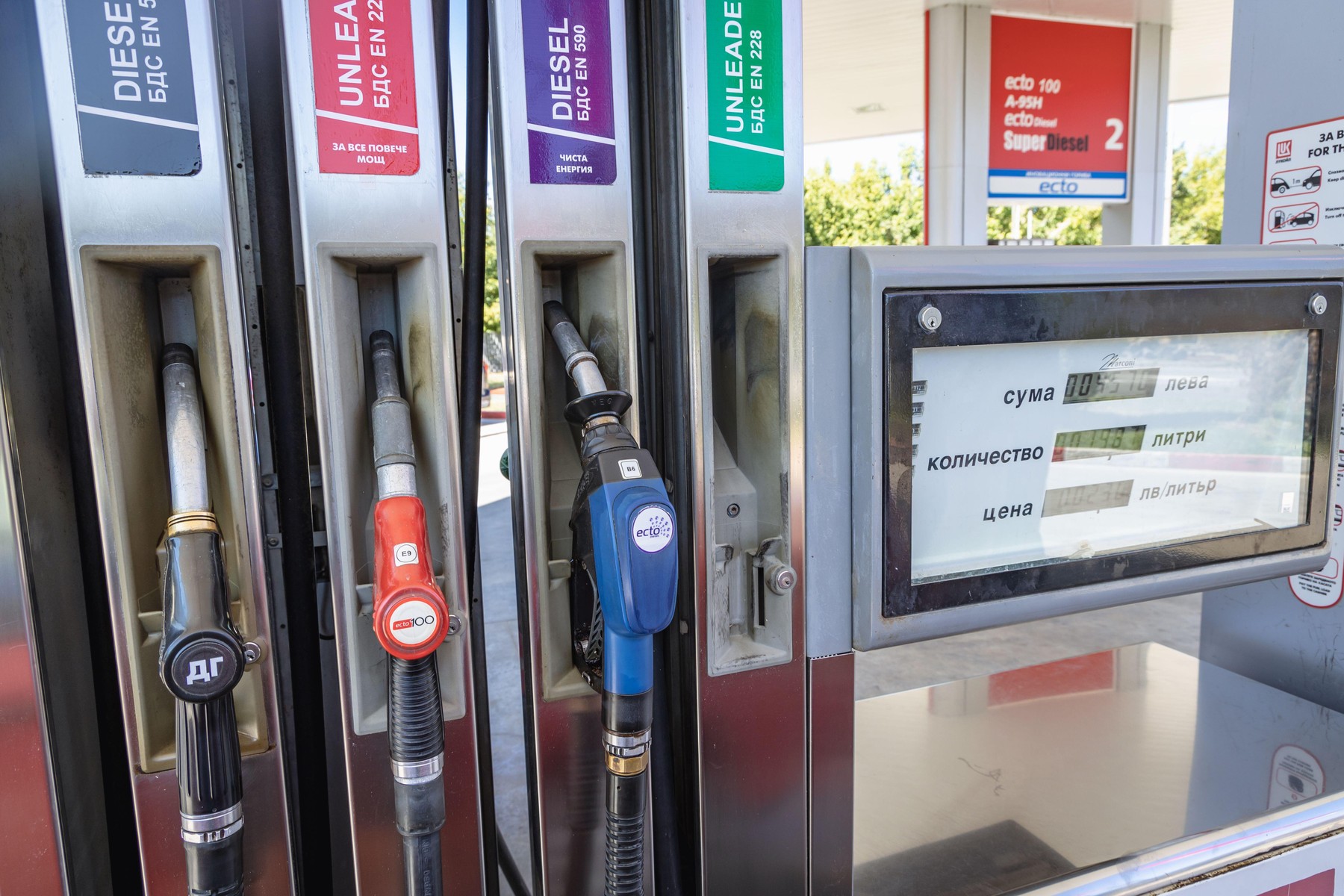
Fuel pumps at a Lukoil gas station in Bulgaria, PHOTO: Konrad Zelazowski / Alamy / Profimedia Images
Bulgaria has about a month's worth of gasoline reserves as it prepares for the entry into force of US sanctions against Russia's Lukoil, which owns the country's largest oil refinery as well as most of the neighboring country's storage and pipeline infrastructure, the head of the state-run National Reserves Agency in Sofia said on Tuesday, Reuters quoted.
The United States and Britain last month imposed sanctions on Lukoil and Rosneft, Russia's two biggest oil companies, over Moscow's war in Ukraine, threatening their operations that still operate in Europe.
The US sanctions, scheduled to take effect on November 21, have raised concerns in Bulgaria about fuel supplies ahead of winter.
Lukoil operates the Burgas refinery – a key part of its international oil empire – and hundreds of gas stations in the neighboring country.
Bulgaria has petrol reserves for 35 days and diesel for a longer period
Assen Asenov, the chairman of Bulgaria's national state reserves agency, said on Tuesday that the country has gasoline reserves for about 35 days, while those of diesel would be enough for more than 50 days.
Energy analysts explained that Bulgaria has additional stocks of crude oil and petroleum products outside its borders, but these must be imported before Lukoil's pipeline network falls under the sanctions.
“50 percent of the fuels ready for delivery are in other European Union countries, as well as some of the crude oil, which means the government needs to activate these contracts as soon as possible,” said Martin Vladimirov, director of the Energy and Climate Program at the Center for the Study of Democracy in Sofia.
Bulgaria, which will adopt the euro on January 1, 2026, took steps to secure its supply after US and British sanctions were announced last month. The country temporarily banned the export of some types of fuel, mainly diesel and aviation fuel, including to the member states of the European Union.
Last week, the Bulgarian parliament passed legislative changes that allow the government to take control of the Burgas refinery and sell it to a new owner to protect the facility from the effects of US sanctions.
This week, Bulgarian authorities carried out inspections and implemented security measures at the Burgas refinery, measures officials described as necessary to protect critical infrastructure.
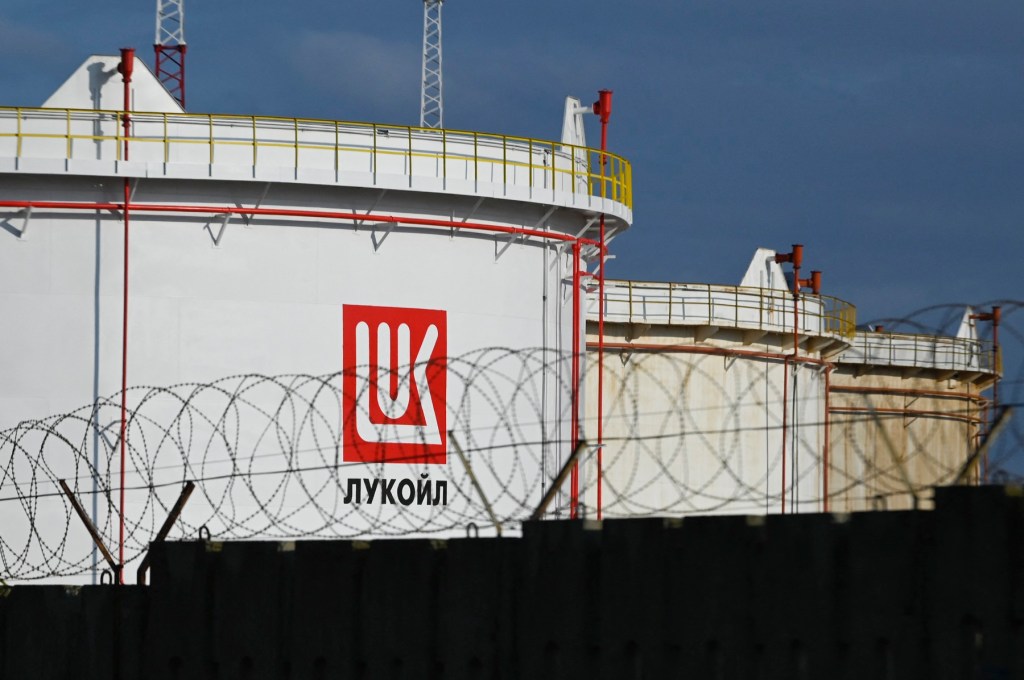 What are Romania and Bulgaria doing in the case of Lukoil. Bulgarian authorities quickly made a decision on the Russian oil giant under US sanctions / Romania's Government postpones