Sir David Attenborough and conservation groups are raising millions for the Rothbury Estate

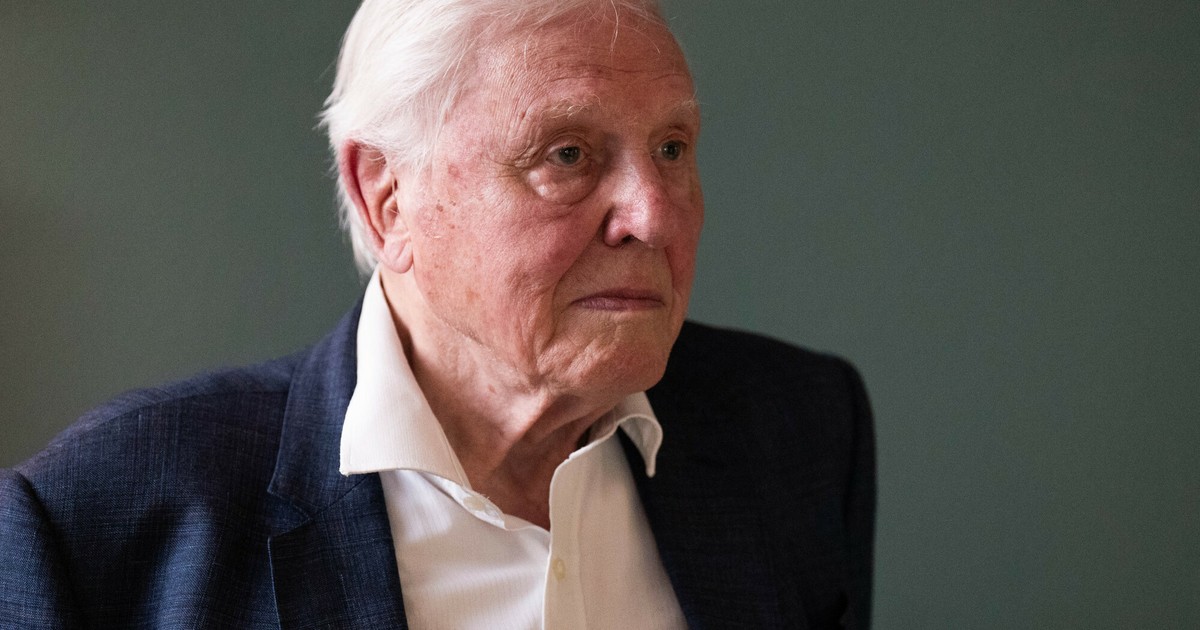
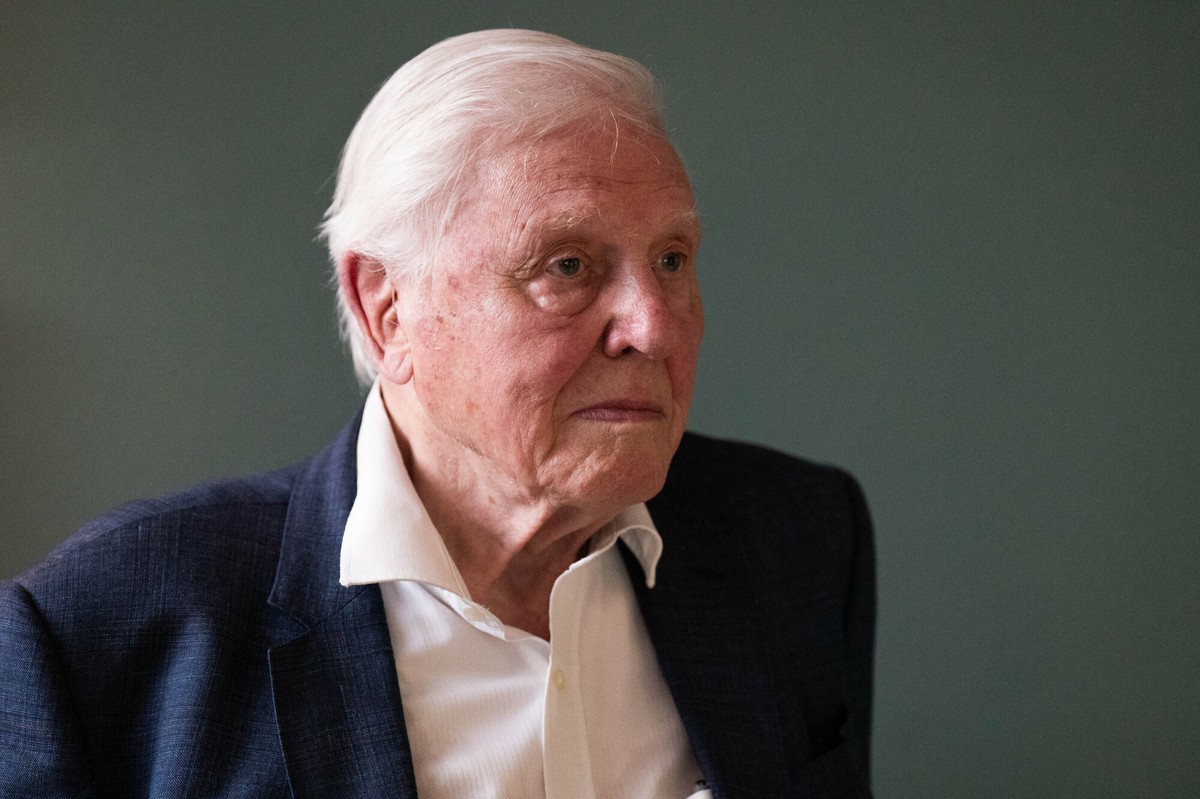
The Wildlife Trusts and Northumberland Wildlife Trust are trying to finalize the purchase of the 38.8 square kilometer Rothbury estate. £30 million is needed to secure the entire estate, otherwise it risks being divided and sold. In a video, naturalist and broadcaster David Attenborough said time was running out to save the Rothbury Estate.
It is the largest tract of land up for sale in England in decades. The Rothbury estate belonged to the youngest son of the Duke of Northumberland, Lord Max Percy, and had been in the family for around 700 years. The partnership between Northumberland Wildlife Trust and the Wildlife Trusts was given a two-year period in October 2024 to raise the £30 million needed to purchase the entire estate.
Sir David said: “People know and love the Simonside Hills, they walk along the ridges and listen to the calls of the curlew, look out for red squirrels and admire the views as they climb over the rocks.”
“They wander along remote paths and marvel at the amazing rock carvings left by our distant ancestors who once lived here.”
See also: These five countries may disappear from the world map. The shocking effects of climate change
David Attenborough: please help us
He said the Wildlife Trusts would work with local farmers and communities who lived and worked in Rothbury to look after the area, breathe new life into its habitats and create a place where people and nature can thrive side by side.
“Please help us make this vision a reality,” he added.
Some £8m has already been raised, in donations ranging from £5m to £5m, but the race is on to raise the remaining two-thirds.
See also: There will be more nature reserves. Clearances will be limited
The estate is home to rare wildlife such as the curlew, mountain bumble bees, lapwings, red squirrels, cuckoo and red squirrel, as well as Atlantic salmon and critically endangered eels. However, ecologists claim that nature could be even richer.
Their plans include bringing in large herbivores, including ponies, hardy cattle, and eventually even bison, which will graze naturally in the area. There is also hope that pine martens, beavers and golden eagles could repopulate the landscape.
Source: BBC