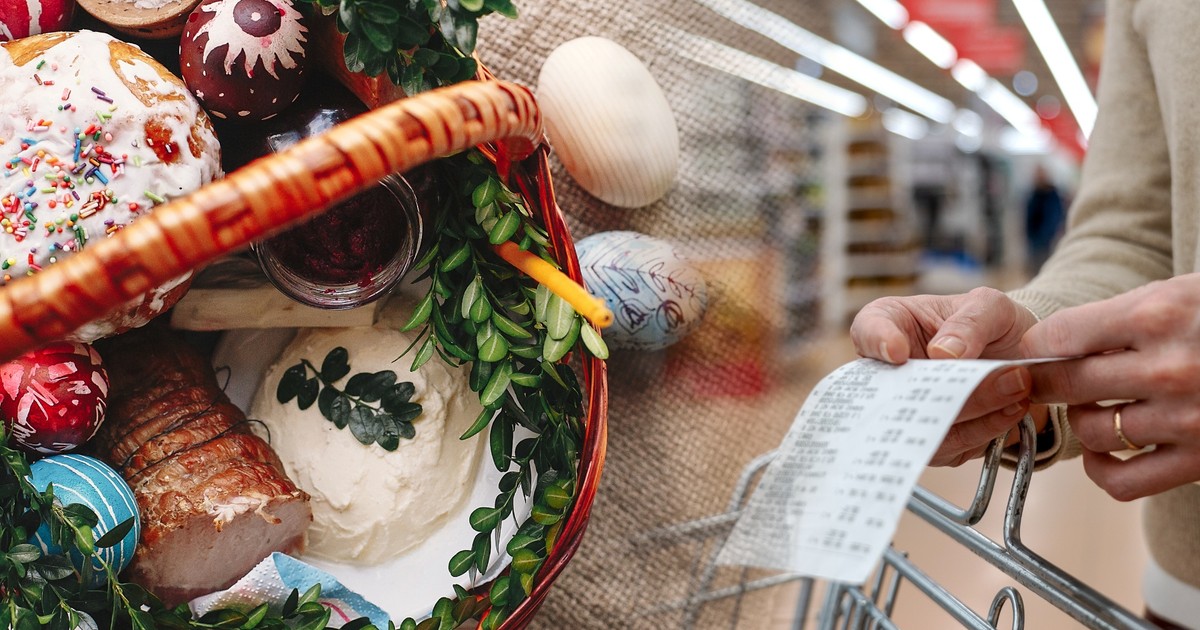
The CASE Online CPI list includes over 20 of the most frequently purchased products for the Christmas table. This year, the analysis was based, among others, on: on the ingredients of vegetable salad, mayonnaise, eggs, cold cuts and sweets. The methodology is based on previous CASE reports, updated and expanded with new products and more advanced analysis methods.
Food prices. Cyclical fluctuations and the March jump
Since April 2025, the prices of the analyzed products have been subject to cyclical fluctuations. Alternating periods of declines and increases were observed, related to seasonality, promotional cycles in retail chains and the transfer of increasing production costs to consumers. Price increases were visible at the beginning of the holidays, the school year and just before Christmas. The beginning of 2026 brought stabilization, but in March prices went up again.
Read also: Cherries are no longer synonymous with luxury. This vegetable is the most expensive
The impact of geopolitics on food prices
As CASE experts explain, the current increases were caused not only by the seasonal increase in demand before Easter, but also by the uncertainty in global markets caused by the conflict in the Middle East.
However, they emphasize that the impact of the conflict in the Middle East on food prices is currently mainly indirect and concerns energy and transport costs, fertilizer prices and imported raw materials.
Domestic products, such as eggs, dairy products and bread, remain less susceptible to global turmoil. However, for imported products, cost pressures may persist and vary by category.
Read also: Do we have the “Iran effect” in stores? We looked at the receipts
Chocolate is becoming more expensive despite falling cocoa prices
It turned out to be the biggest culprit of the high prices in the basket dark chocolatethe price of which increased as much as by 85.7 percent compared to the previous Easter. This is a paradox, because global cocoa prices have fallen after the record levels of 2024–2025.
CASE explains this discrepancy with rising costs throughout the production chain and the fact that increases in raw material prices are passed on to consumers faster than decreases. The structure of the chocolate market itself is also important, with several large producers dictating the terms.
Read also: Is coffee the new cocoa? If so, good news for coffee lovers
What has become more expensive and what has become cheaper? Product by product analysis
Price changes are very uneven. In addition to record increases, there are also spectacular declines.
The largest price increases (y/y until March 16, 2026):
- dark chocolate — +85.7 percent
- M eggs — +31.1 percent
- apple juice — +23.2 percent
- oranges — +21.7 percent
- potatoes — +19.6 percent
- milk chocolate — +16.6 percent
- orange juice — +13.2 percent
The biggest price drops:
- white sausage — −48.7 percent
- whole grain bread — −28.9 percent
- butter — −27.1 percent
- canned peas — −12.5 percent
- milk 2 percent lactose free — −12.2 percent
- rye bread — −7.8 percent
- hams — −7.8 percent
- carrot — −4.6 percent
CASE analysts emphasize that this result should be treated as an indicator of changes in prices of selected holiday products, and not a direct reflection of the NBP core inflation or the Central Statistical Office consumer inflation.
The market situation remains dynamic and the impact of external factors may be felt in the coming months, especially in the case of products dependent on imports.