Without Russian gas, Germans ended up paying huge heating bills. Who are Berlin's current suppliers?


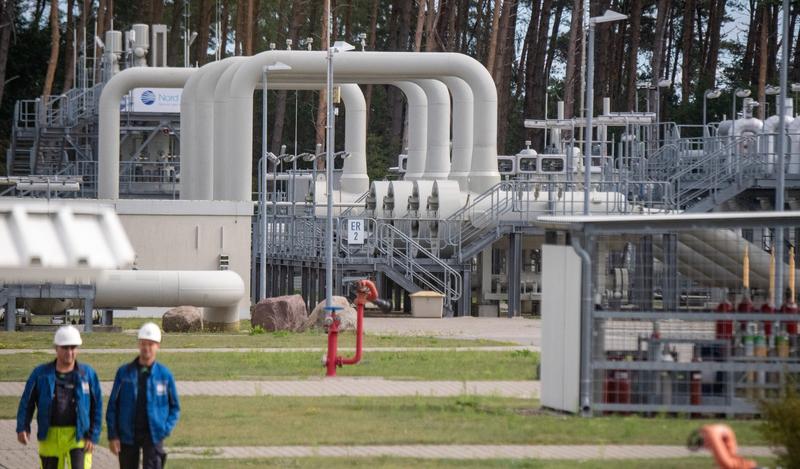
The Nord Stream gas pipeline, Photo: STEFAN SAUER / AFP / Profimedia
The increase in gas prices in Germany, a country that stopped the purchase of natural gas from Russia following its invasion of Ukraine and then after the sabotage of the Nord Stream gas pipelines, forced consumers to pay, on average, approximately 82% more for heating, the EFE agency reports on Wednesday, taken over by Agerpres.
According to the association of real estate administrators in Germany, the average cost of heating an apartment with an area of 70 square meters is 1,180 euros this year, 15% more than in 2024.
This increase was mentioned in the latest study carried out by the German energy services and consumption measurement company Techem, a study based on consumption data from approximately 100,000 residential buildings. According to these data, the cost of heating homes in Germany increased by 82% compared to 2021, the year before the outbreak of the war in Ukraine.
A 15% increase in a single year
The German government's efforts to boost renewable energies have not yet translated into a reduction in heating bills, especially since in Germany most homes use gas heating.
In 2020, about 55% of Germany's gas imports came from Russia. Starting in 2022, with the Russian invasion of Ukraine and the efforts of its European supporters to reduce Russian energy imports, Germany increased its gas purchases from other sources, and from September of the same year it was forced to completely stop importing Russian gas through the Nord Stream 1 and 2 gas pipelines, after they were damaged by underwater explosions.
After this sabotage, judicial investigations were opened by Germany, Sweden and Denmark. Investigations were closed in the two Scandinavian countries in 2024, but the German investigation identified a Ukrainian cell of five men and one woman as participating in the sabotage, which German prosecutors said was carried out by placing explosives on pipes by divers.
Germany has completely given up on Nord Stream
Although one section of Nord Stream 2 is still usable – the others require complex repairs – and Russia has proposed to Germany to deliver gas through it, Berlin has refused, citing the Russian invasion of Ukraine and the EU's new policy of reducing Russian natural gas imports.
The change in gas supply sources is the main factor that explains the increase in heating prices in Germany, but also in other European countries, explains Andreas Fischer, expert in energy matters at the German Institute of Economics (IW).
“Gas has become more expensive. It was already known that the supply would become somewhat more expensive, since before (the Russian invasion of Ukraine) it came mainly from (Russian) gas delivered through pipelines, but we found ourselves in a crisis situation,” Fischer added.
Norway is currently Germany's main supplier of natural gas, with around 48% of imports this year. Other sources of supply are Holland or Belgium, but also the USA with liquefied natural gas (LNG). Brought in by gas tankers, the latter are more expensive than natural gas transported through existing pipelines.