Chinese President Xi Jinping calls for 'national reunification' in message to Taiwan's new opposition leader

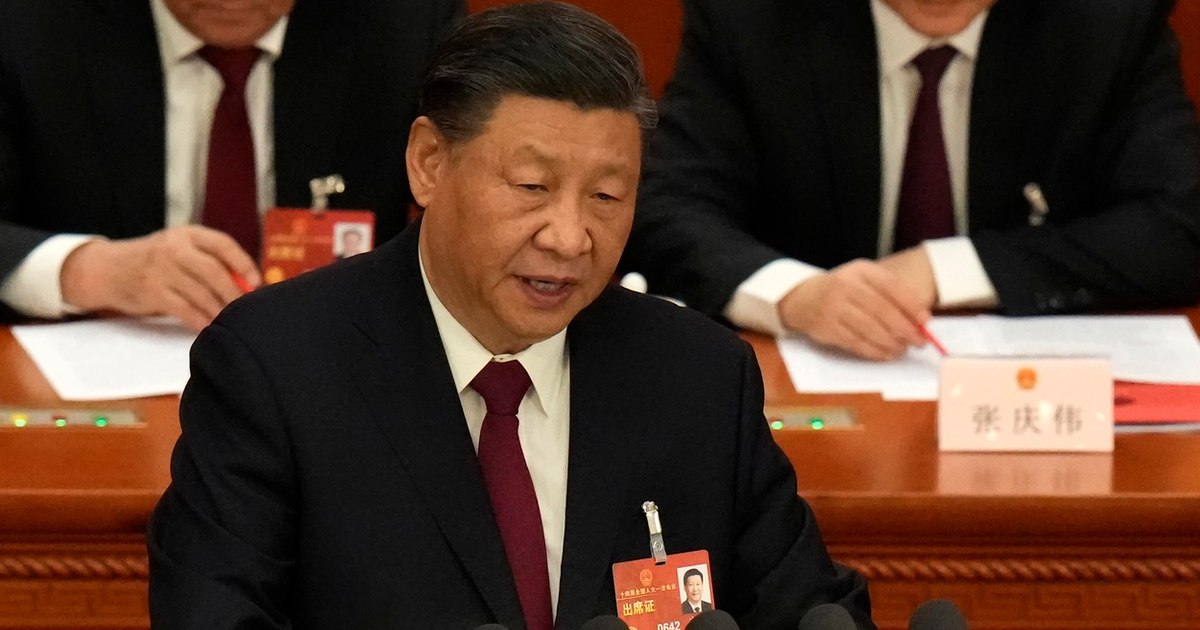
Chinese President Xi Jinping sent a congratulatory message to Taiwan's new opposition leader, Cheng Li-wun, calling for “the advancement of national reunificationHowever, the reactions in Taiwan were cautious, in the context of growing tensions between Beijing and Taipei.
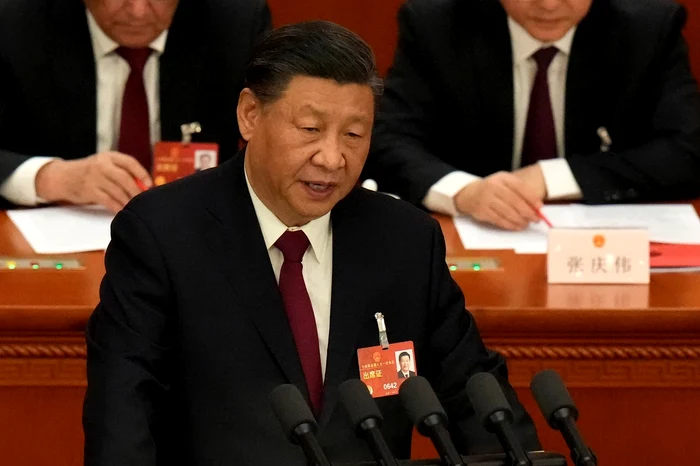
Chinese President Xi Jinping calls for “national reunification” PHOTO: Profimedia
Xi Jinping, the leader of the Chinese Communist Party, said on Sunday that he wants to “the advancement of national reunification”, in a message addressed to Cheng Li-wun, the new president of the Kuomintang Party (KMT), Taiwan's main opposition party.
“The KMT must strengthen the common political foundation and unite the majority of Taiwan's people to deepen exchanges, cooperation and common development in order to advance national reunification“, says the message published by the Xinhua agency.
The KMT's internal elections were held amid accusations of interference from China. Cheng, a 55-year-old former lawmaker, is set to officially take over as party leader on November 1. The moment comes in a tense context, in which Beijing continues to consider Taiwan part of Chinese territory, while the government in Taipei strongly rejects these claims.
Prudent response from Cheng Li-wun
In his response to the Chinese leader, Cheng avoided directly mentioning the idea of ”union” with Beijing, pointing out only that “both sides of the strait Taiwan belongs to the Chinese nation” – a wording that refers to ethnic identity, not political identity.
She pleaded for “strengthening cross-strait exchanges and cooperation” and for maintaining “peace and stability in the region”.
Accusations of interference from Beijing
The Kuomintang Party, traditionally favorable to a closer relationship with China, is considered the preferred interlocutor of Beijing, which refuses dialogue with the current Taiwanese president Lai Ching-te and the Democratic Progressive Party (DPP), which it labels as “separatists“.
However, the KMT internal elections were marked by accusations of possible disinformation campaigns orchestrated by China. Supporters of Cheng's opponent, former Taipei mayor Hau Lung-bin, claimed online attacks aimed at discrediting his candidacy. Beijing has denied any involvement, claiming that the respective posts “does not reflect the official position” his
Internal critics and the reaction of the ruling party
Former KMT vice-presidential candidate Jaw Shau-kong pointed out that the party should “to reduce pro-Beijing influence and keep in mind that the election is taking place in Taiwan, not mainland China“.
For his part, DPP spokesman Justin Wu said on Saturday night that there are “clear signs of Chinese interference” in the internal election of the KMT. The conservative party responded ironically to the accusation, dryly commenting: “Who is this?”.