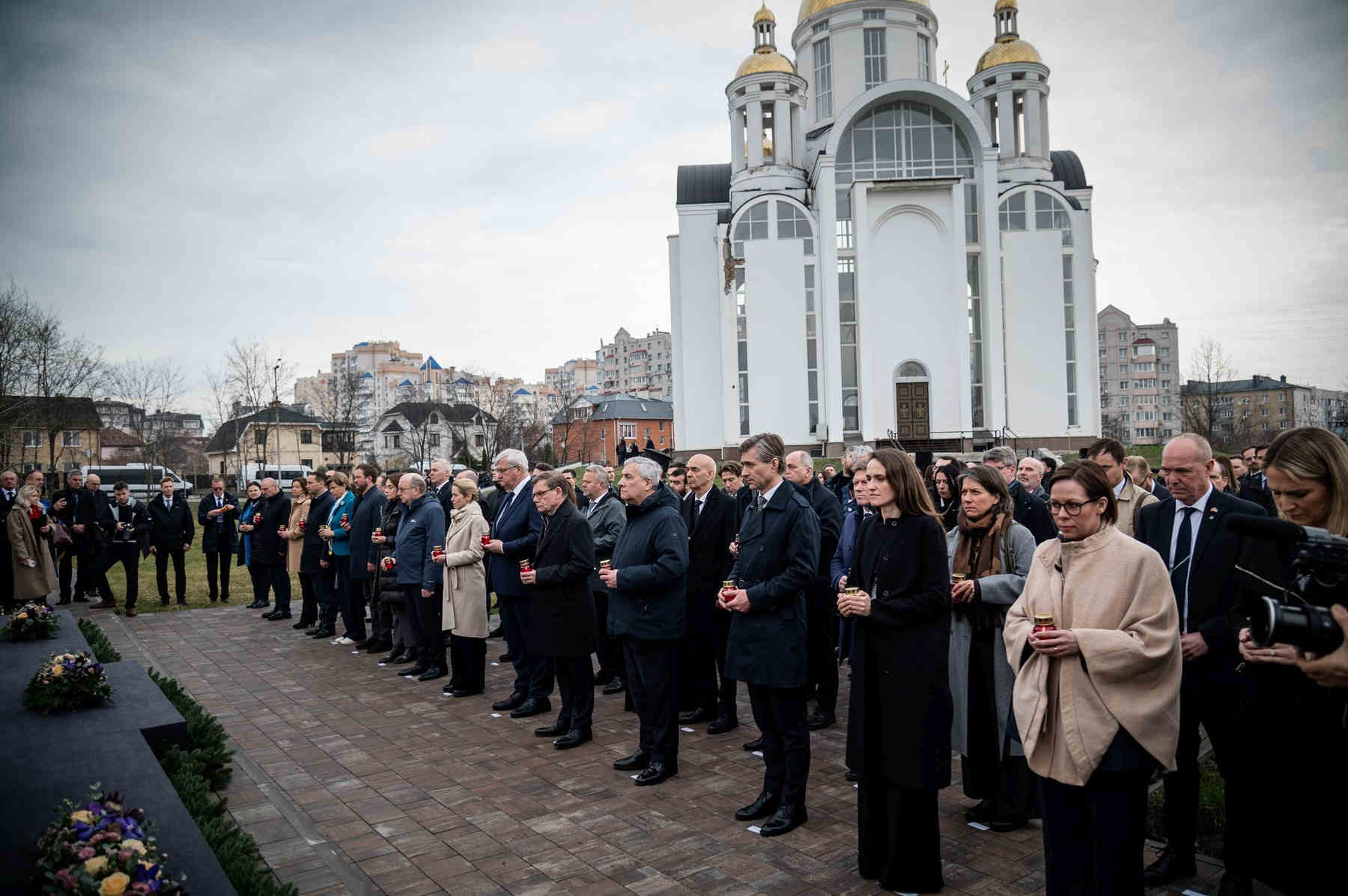
Stelian Ion harshly answers Lia Savonea: “But what tone am I allowed to use, madam? When you gave eight months of suspension to the man who sexually abused his 13-year-old niece, what tone did you use?”

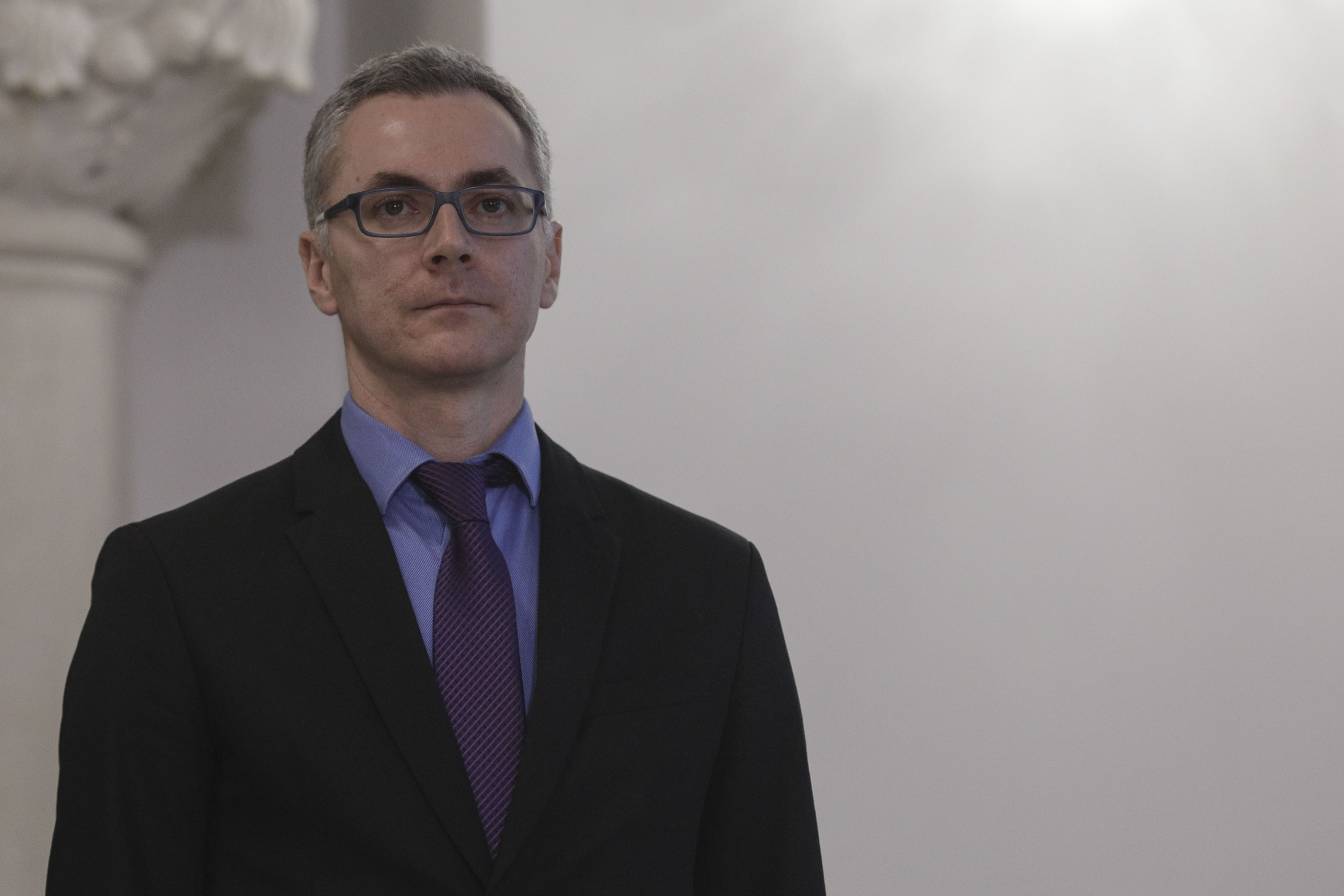
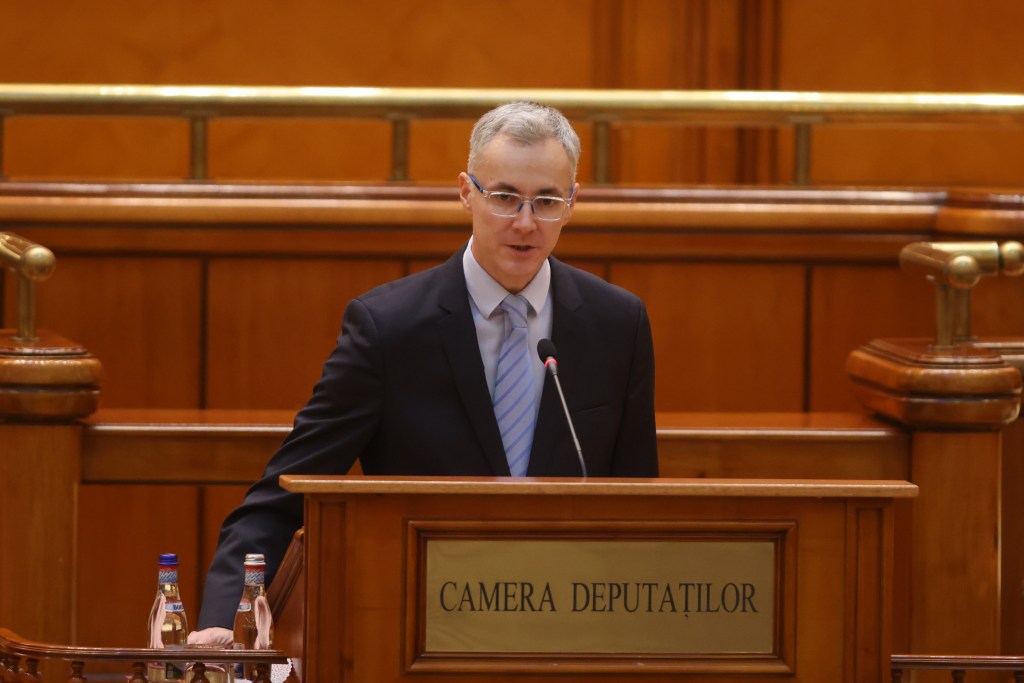
USR Deputy Stelian Ion, former Minister of Justice, reacted on Thursday to the criticism brought by the head of the Supreme Court, Lia Savonea, and the CSM, who claimed the violation of the independence of judges after the politician's comments regarding the decision to acquit Nicolae Bănicioiu. Stelian Ion accuses that, in reality, “those who claim judicial interference and alleged intimidation of the magistrates are the very ones who are now, in fact, trying to intimidate and discourage free expression on the side of some dubious solutions, coming in a cascade”.
The reaction comes after the section for judges of the Superior Council of Magistracy (CSM) complained, on Thursday, of the violation of the independence of the judges of the High Court of Cassation and Justice (ÎCCJ) by the former minister of justice Stelian Ion, through his statements regarding the acquittal of Nicolae Bănicioiu by the supreme court.
 A former Minister of Justice criticized by the CSM and ICCJ for his comments after the acquittal of Nicolae Bănicioiu: “Resorts to instruments of intimidation”
Also, the president of the ÎCCJ Lia Savonea accused Stelian Ion of “intimidation against the rule of law”.
Lia Savonea claimed that the statements of the former minister “induce the idea of a strong political pressure” and remind “the old calls of the miners to suppress democracy”.
Stelian Ion reacted in a post on Facebook, in which he harshly attacked Savonea: “With such a defective moral compass, you have no way of doing justice – let alone leading the supreme court.”
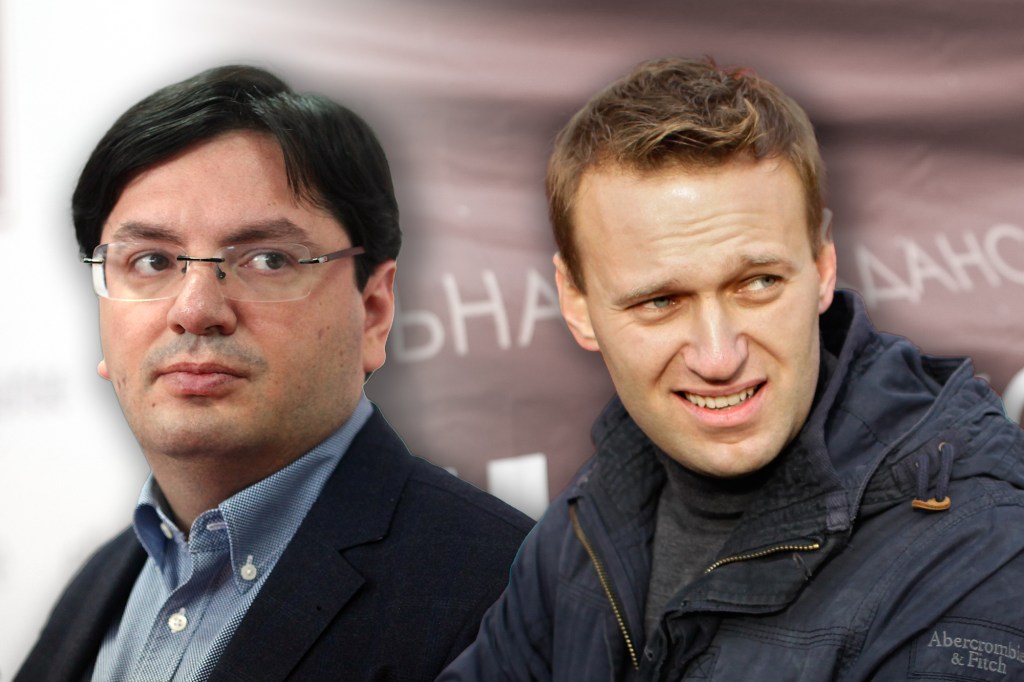 The Supreme Court compared the case of Nicolae Bănicioiu with that of the dead Russian dissident Aleksei Navalnî. What the judge who opposed the acquittal of the former minister accused of taking 800,000 euros in bribes said
Stelian Ion's full answer
“Today's decision of the Section for Judges of the CSM is absurd. My post was not a reaction to Bănicioiu's acquittal, but to the ÎCCJ's statement regarding the Bănicioiu and Ferma Băneasa files. In reality, those who claim interference in justice and alleged attempts to intimidate magistrates are the very ones who are now, in fact, trying to intimidate and discourage free expression on the edge of dubious solutions, cascading. It seems that they want to put the handkerchief on the drum and for people to stop discussing in the public space about the solutions that they consider to be critical or incorrect.
The two files referred to in the ÎCCJ communique, which generated my comment, were settled definitively — so there could be no talk of pressures of the type invoked by CSM and Lia Savonea. It was not me who compared the judiciary in Romania with the one in Russia, but even the distinguished Mrs. Lia Savonea, when she made the comparison between Bănicioiu and Navalnîi. A comparison with strong symbolism, but at the same time deeply inappropriate.
I also appreciate that in reality Lia Savonea's comment has a threatening tone towards critical views, not my post at all. At no time did I call the DNA prosecutors “in support”. I have no personal battles with anyone, and I believe that magistrates should neither support nor repress anyone. The simple fact that we found that the prosecutors no longer investigate corruption in the judiciary after the establishment of the SIIJ does not mean that we called the DNA prosecutors in support of someone. In support of whom? Which causes?
Should the fact that I am part of a ruling party that holds portfolios unrelated to the justice system make me not comment on matters that I consider to be wrong in the justice system? The comparison to the miners' call is both inappropriate and untalented—a missed figure of speech. Isn't it the justice that you now patronize, including officially, that has made it so that, until today, we do not find out who set up the mining? Did I protect those criminals or part of the judicial system?
My comments did not refer to specific cases, but to the whole wave of acquittals – many handed down following the exercise of extraordinary appeals, i.e. subsequent to final convictions. Extraordinary ways that are starting to become a bit ordinary: used too often and too successfully by criminals.
But suppose, by way of absurdity, that they are wrong. In Romania, are we no longer allowed to speak critically about corruption in the judiciary or about irregularities in the system? What else are we allowed to do then? Mrs. Savonea was disturbed by the “tone” used in my expression. But what tone may I use, madam? Does the tone or the idea itself matter so much?
When you suspended eight months for the bastard who sexually abused his 13-year-old niece, mutilating her soul for the rest of her life, what tone did you use? What terms and what language did you use when you justified this immoral solution, revolting to any normal person, to any parent who would put themselves in the place of that little girl's parents? Is it a decent solution if, using “elevated” language, you suggested that the victim herself bears the blame for not reacting immediately after the sexual act, even hiding this episode from her parents?
You see, Ms. Savonea—beyond any speculation or information that appeared in the press about you and the harmful influence you exercise in the judiciary, beyond any controversies related to your person or your career—that decision would, for me, have been enough to call into question your exclusion from the judiciary. Why? Because it shows that you have no vocation as a judge; shows a gross lack of empathy towards the minor victim and, on the contrary, empathy towards the aggressor; it shows that you have an upside down value scale.
With such a flawed moral compass, there is no way you can do justice—much less preside over the supreme court. But this is just my humble opinion. As a human being. By parent. Not a deputy, not a lawyer, not even a citizen. Am I allowed to speak my mind or should I keep quiet? Despite the height of the position you hold, I am not affected by the criticism you direct at me. On the contrary, they really honor me.”
 Quick reaction: When Lia Savonea and the judges from the ÎCCJ compared the justice in Romania with the one in Russia, was it an escape or did they intentionally want to defy? The answer is important
The CSM accuses Stelian Ion of violating the independence of judges: “These attacks erode citizens' confidence in justice”
“In the meeting of October 16, the Section for Judges of the Superior Council of the Magistracy found a violation of the independence of the judges of the High Court of Cassation and Justice, in relation to the opinions expressed in the public space by a deputy, former Minister of Justice, and later taken up in the mass media, in the context of the pronouncement of final court decisions of acquittal in criminal matters,” says a statement broadcast on Thursday by CSM.
“The serious and unfounded statements, by their content and the language used, such as “acquittals on a conveyor belt”, the comparison of judicial activity with a “rot”, “oligarchic system” and “washing machine”, do not represent acceptable criticism of the final court decisions, but suggest, including through the incisive and suggestive tone used, that the judges would have a subjective conduct in favor of the people sent to court”, accuse the institution.
“Their formulation, immediately after the pronouncement of definitive judgments of acquittal, constitutes a direct and inadmissible pressure on the independence of the judges of the Supreme Court, discrediting the administration of justice, with the intention of intimidating the courts that would not conform to certain interests or political opinions”, claim the members of the CSM.
They insist that “the moment of formulating the statements, immediately after an acquittal solution with media impact, is also relevant, as it leads to the conclusion of the transmission of a concrete political message, with reference to the judicial activity of administering justice, which in a state of law is independent, excluding any form of pressure on judges from the other powers of the state, and thus cannot be considered as simple statements general”.
“Attacks of such virulence, centered on discrediting and not on reasoned criticism, erode citizens' trust in the judiciary, affect its overall image and represent an unacceptable form of external pressure on the activity of Supreme Court judges, with the consequence of violating professional independence, contrary to the principles of the rule of law. As a guarantor of independence, the Section for Judges of the CSM draws attention to the fact that the language used, as well as the accusations made, cannot at any time justify the legitimacy of a possible public interest and calls for balance in the exercise of freedom of expression by the other powers of the state”, the CSM statement also states.
The CSM is headed by judge Elena Costache, known as a close friend of Lia Savonea.