Pasta production in Italy is under serious threat due to protests by truck drivers in the southern part of the country. These protests, sparked by soaring fuel prices and the rising cost of living, have effectively blocked the delivery of essential raw materials to manufacturing plants, according to reports.
On Tuesday, Rummo, a pasta manufacturer based in Campania, announced the suspension of its production due to a lack of ingredients. Cosimo Rummo, the company’s CEO, told La Repubblica that nearly all major pasta producers in the neighboring Puglia region are experiencing similar challenges.
Rummo emphasized that this situation means that most pasta production in Italy has either completely stopped or is on the verge of halting. The regions of Campania, Puglia, and Sicily are central to Italy’s pasta production.
Another producer, La Molisana, located in Molise, reported a significant drop in production and has had to rely on its reserves of raw materials, such as wheat and durum wheat semolina.
Last week, Italmopa, the Italian milling industry lobby, warned that if protests persist, an increasing number of factories might be forced to cease operations, impacting the entire supply chain.
The pasta industry’s supply chain in Italy generated revenues of €13.5 billion last year, as indicated in a report released in September by the European House-Ambrosetti (TEHA Group).
Food and Fuel Supplies Dwindle in Southern Italy
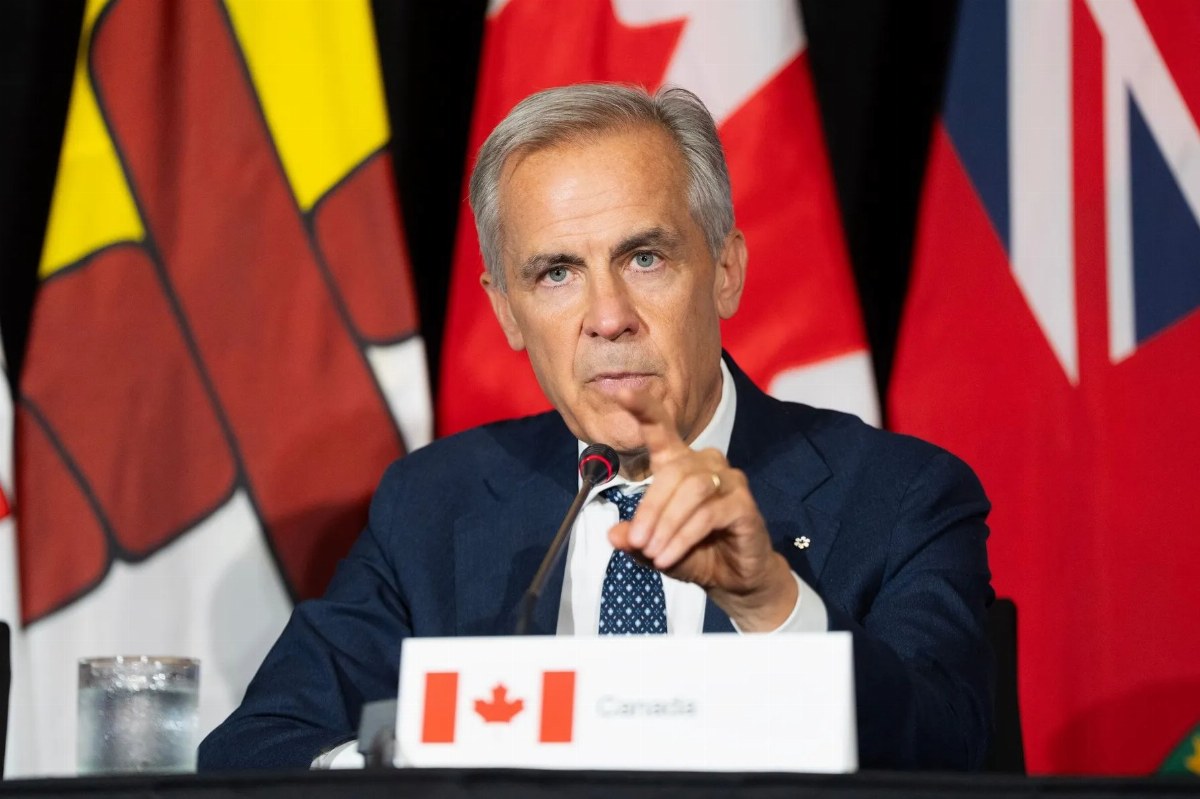
The government led by Giorgia Meloni has pledged additional support for truck drivers. Following a meeting with their representatives, Deputy Minister of Infrastructure Edoardo Rixi announced that a support package exceeding €150 million will soon be made available.
Meloni’s administration is also preparing stricter security measures in response to riots that erupted last weekend in Milan and other northern cities amid inflation protests.
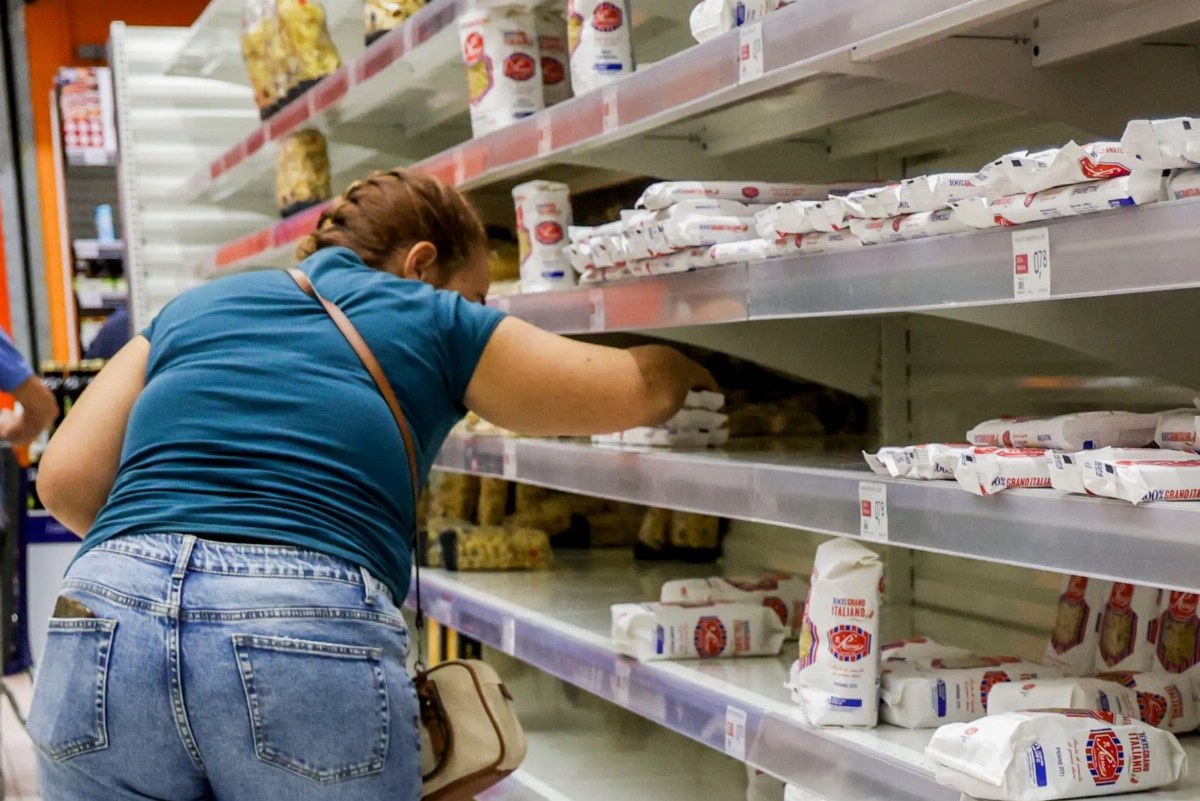
The truck drivers’ protests, which began last week by blocking roads, highways, and ports in Sicily and the southern regions, have caused widespread disruptions, including shortages of goods in supermarkets and long lines at gas stations.
“People were trying to take whatever was left. I had to go to a nearby town to stock up on flour and other frequently consumed foods,” stated Zineb Boutimah, a 45-year-old resident of Locri in Reggio Calabria, located in southern Italy.
Elena Lombardo, another local, recounted that an employee at her nearby gas station had urged her on Monday to fill up her tank, warning, “I don’t know if there will be gasoline tomorrow.” On Tuesday, the gas station was closed.