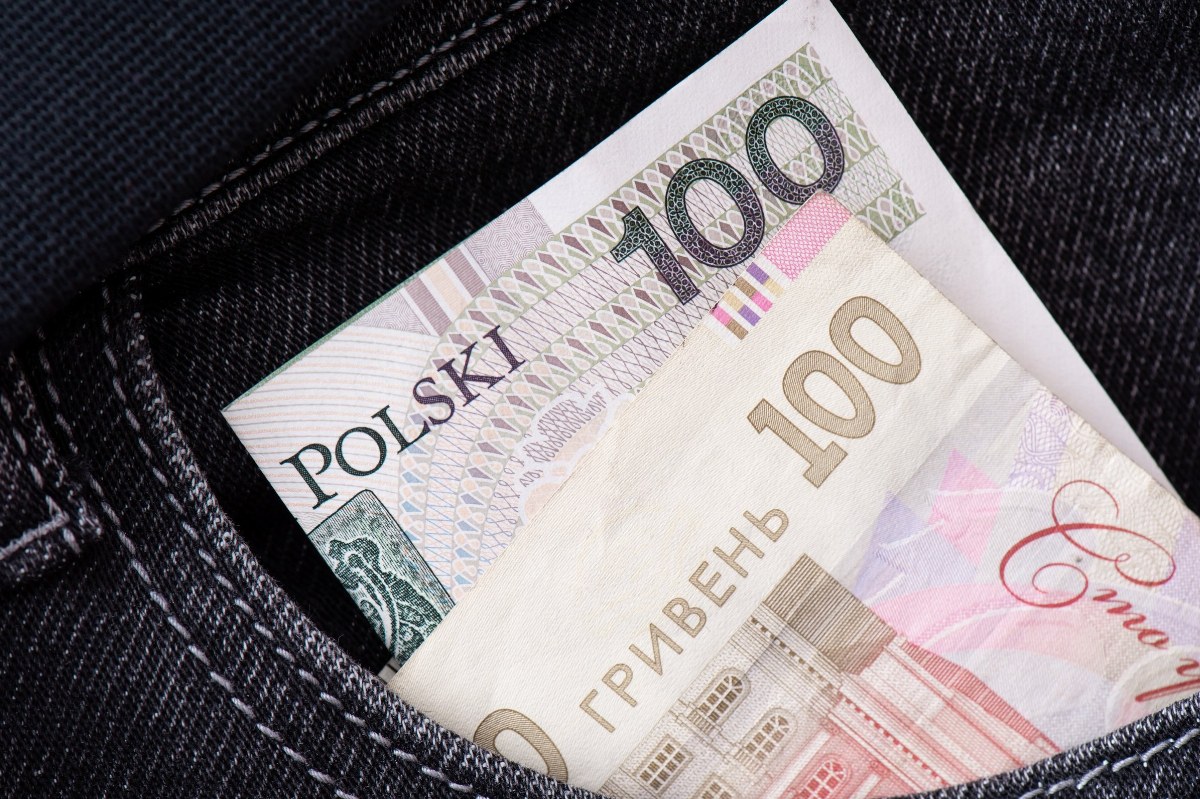
Poland has solidified its role as the primary EU supplier of goods to Ukraine, achieving a record trade surplus of €9.7 billion in May 2026. This surge in exports involves not only traditional industrial products but also significant shipments of energy, military supplies, and aviation equipment, as highlighted by an analysis from the Bank Gospodarstwa Krajowego (BGK).
Poland’s exports to Ukraine have been increasing, with the value of sales growing significantly faster than imports. According to the latest “Monitor of Ukrainian Affairs” prepared by BGK using Eurostat data, the value of Polish exports to Ukraine reached €14.1 billion on a twelve-month basis in May 2026, marking a nearly 169% increase from approximately €5.2 billion in December 2020.
During the same period, imports from Ukraine rose at a much slower pace, from around €2.5 billion to €4.4 billion, which is an increase of nearly 72%. This disparity in trade dynamics has resulted in a record surplus for Poland.
Record Trade Surplus with Ukraine
The balance of Poland’s goods trade with Ukraine increased from about €2.7 billion at the end of 2020 to €9.7 billion in May 2026, reaching the highest level recorded during this period. The ratio of surplus to exports also grew, jumping from 51.7% to 69.1%.
Ukraine’s importance as a recipient of Polish goods is also on the rise, with its share of total Polish exports increasing from 2.2% in December 2020 to 3.8% in May 2026. After a period of relative stabilization since mid-2025, sales to the Ukrainian market accelerated again in the early months of 2026.
Poland has firmly established itself as the largest EU exporter to Ukraine, accounting for 29.5% of EU exports to the market in May 2026, up from 22.7% at the end of 2020. Germany held the second spot with an 18.5% share, followed by Hungary, the Czech Republic, and Italy.
Energy and Defense Propel Exports
A significant portion of the increase in Polish sales can be attributed to goods related to the war and Ukraine’s energy security. According to BGK, over half of the export growth from February 2022 to May 2026 was generated by three product groups: energy resources and energy, arms and ammunition, and aircraft and aviation equipment, collectively accounting for approximately 53.4% of the export growth during this period.
Notably, energy supply deliveries witnessed a substantial increase, with their value rising from €100 million at the end of 2020 to €2.7 billion in May 2026. The share of this category in Poland’s exports to Ukraine grew from 1.9% to 19.5%. Additionally, Ukraine has become the recipient of about 30.5% of all Polish energy resources and energy exports.
Supplies related to defense and aviation also play a crucial role, making up approximately 12.5% of the value of Polish exports to Ukraine. Poland held a 44.9% share of EU exports of these products to the Ukrainian market, significantly surpassing other EU countries.
Experts from BGK note that the significance of these categories becomes even clearer when they are excluded from the data. Without energy, military, and aviation products, Ukraine’s share of Polish exports would be 2.6% instead of 3.8%.
Industry Matters
While energy and defense increasingly impact the structure of trade, non-military industrial products remain the most significant part of Poland’s exports to Ukraine. Their exports rose from approximately €4.3 billion in December 2020 to €8 billion in May 2026.
This category of goods accounted for over half of Poland’s overall trade surplus with Ukraine. The positive balance was about €5.1 billion, with the main sources being telecommunications equipment, passenger cars, electrical machinery and apparatus, and fertilizers.
An additional €2.7 billion surplus was attributed to energy resources and energy, while around €1.8 billion came from arms, ammunition, and aviation products. The data indicates that Polish exports not only benefit from Ukraine’s extraordinary wartime economic needs but also from sustained demand for industrial goods.