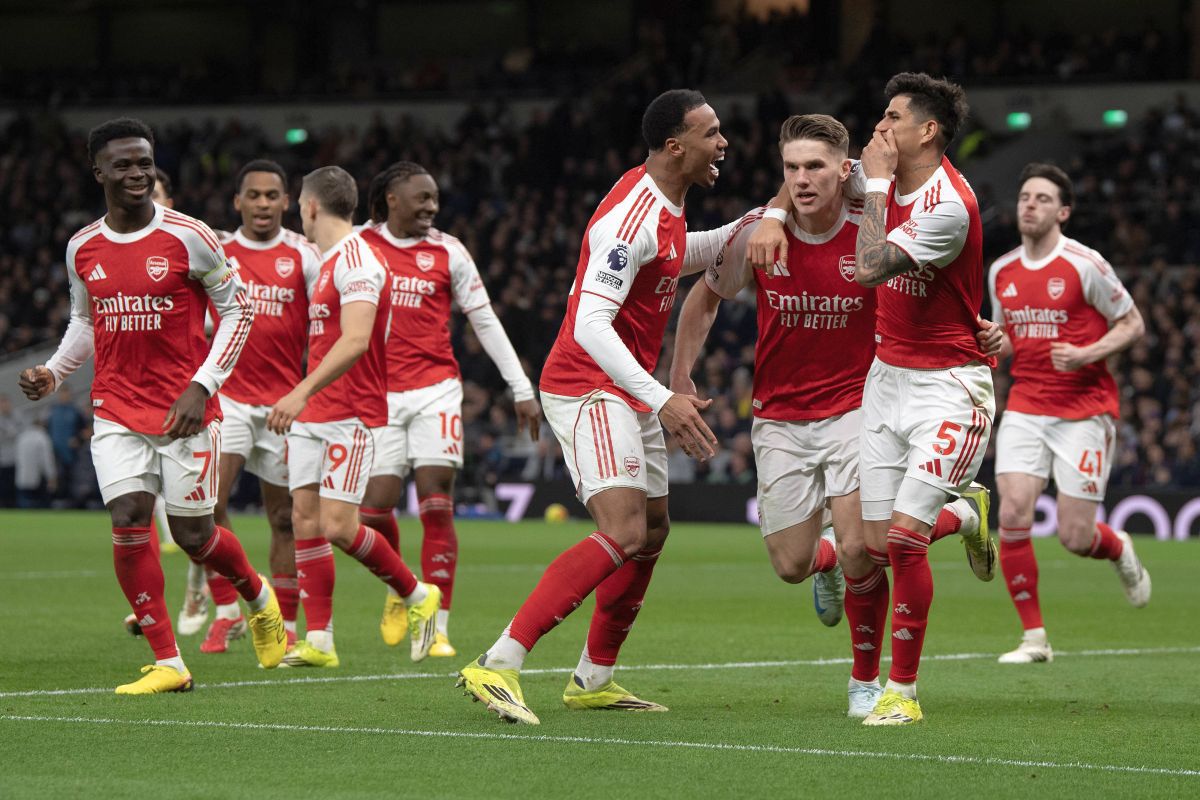
Vinicius Junior’s four-match suspension remains in effect after the Appeals Committee of the Spanish Football Federation (RFEF) denied Real Madrid’s challenge to shorten the ban on the Brazilian winger.
The right winger was harshly penalized by the Disciplinary Committee following a direct red card received during the match against Villarreal, where he pulled Nathan Saliba’s hair (resulting in a two-match suspension), in addition to two matches for his uncontrolled reactions towards the referee.
Real Madrid’s Arguments and the Appeals Committee’s Response
Officials at the Bernabeu remain undeterred and plan to contest the decision at a higher court, specifically the Administrative Tribunal for Sport (TAD).
Real Madrid’s next four La Liga matches are scheduled against Sevilla, Barcelona, Santander, and Valencia. If the severe sanction is upheld, Vinicius Junior’s return to league play will be postponed until late November, following the international break, when los blancos face Celta Vigo on November 22.
In their submitted memo, Real Madrid requested the cancellation of the two-match suspension related to the red card or a reclassification of the incident under Article 121.1 of the Disciplinary Code instead of Article 130.2, which would have reduced the suspension to just one match.
Additionally, the club called for the removal of the other two matches of suspension imposed for his reaction towards referee Diaz de Mera, arguing that Article 127 should not apply and that the situation should have been resolved with only a warning, as stated in Article 118.1.
No Basis for Reducing Vinicius Junior’s Suspension
The Appeals Committee rejected all arguments presented by the Madrid club. Regarding the incident leading to the red card, they concluded that there was no mistake on the referee’s part. The two-match sanction was confirmed based on Article 130.2, considering that the incident occurred without a direct challenge for the ball, and there were no grounds for overturning the initial decision.
Regarding the striker’s conduct after receiving the card, the committee firmly stated: “The fact that the referee did not decipher the words accurately does not negate the clear perception of the attitude, gestures, direction, and overall context of the behavior.”
They emphasized, “The impossibility of literally reproducing the expressions should not be confused with the inability to determine the nature of the offense committed by the player.” The request for the application of the less severe Article 118.1 was denied on the grounds that the decision to issue such a warning lies solely within the referee’s judgment on the field.
The regulatory framework applied to this case includes: Article 130.2 (Violence during the game), which stipulates a suspension of 2-3 matches for actions committed outside a phase of play or when the game is stopped, with no opportunity to play the ball; Article 121.1 (Direct Dismissal), which mandates at least a one-match suspension, except for serious offenses, where the minimum limit is two matches if there is no opportunity to play the ball; and Article 127, which establishes penalties for contesting referee decisions and protesting against the officiating team.
According to current regulations, protests against the central referee, his assistants, or the fourth official are punishable by suspension for a period ranging from two to three matches or up to a month if not considered more serious offenses.