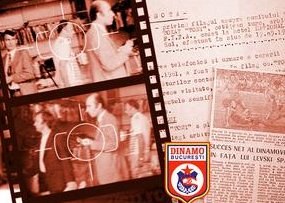
The CNSAS archive contains revealing details from file D14966/vol.18 regarding the UEFA Cup match between Dinamo and Levski Sofia, held on September 16, 1981, which ended in a 3-0 victory for Dinamo. Reports indicate that the communist secret service meticulously monitored the actions of the Turkish referee team led by Talat Tokat, who is now 89 years old. This oversight unveiled a hidden narrative of extravagant hospitality orchestrated by the Ministry of Interior club.
Within the records of the National Council for the Study of Securitate Archives (CNSAS), there exists a file titled “Turkish Athletes Arrived in Romania, Suspected of Information Gathering 1981-1989.” This document comprises 31 pages and includes covert episodes from Dinamo’s history.
Notably, six pages (front and back) focus on how the club from Ștefan cel Mare routinely established special protocols with referees during European competitions.
Five Days of Surveillance on Turkish Referees
For five consecutive days, from September 14 to 18, 1981, the Securitate kept close watch on the referee crew assigned to the Dinamo – Levski Sofia match. The crew, which included central referee Talat Tokat and assistants Ali Ihsan Papatya and Alan Hamza, was subjected to extensive scrutiny.
The reports depict a lavish picture of how Dinamo secured the friendship of referees at the continental level: sumptuous meals at Bucharest’s finest restaurants, gifts, cash, women, and vacation offers in Romania. This is the story!
Dinamo’s Match Leading to Legendary Encounters with Inter Milan
It’s crucial to set the context!
In the 1981-1982 season, Dinamo participated in the UEFA Cup after finishing second in the domestic league behind U Craiova. The coaching duo of Nicolae Nicușor and Cornel Dinu led the team, with Valentin Stănescu detached to the national team until late October 1981. This European journey included a remarkable comeback against Inter Milan, where Dinamo advanced with a 3-2 victory at home after being down 1-2.
The matches with Levski preceded the encounters with the Italians, with Dinamo qualifying amidst tension: 3-0 at home, followed by a nerve-wracking 1-2 loss in Sofia despite leading 2-0 until near the end of the match. Augustin sealed the win late with a goal in the 86th minute.
Talat Tokat: A Rising Star in European Refereeing
Talat Tokat was gaining recognition within European refereeing circles during the fall of 1981. He would go on to officiate the Inter Milan – Real Madrid match in March 1983 during the European Cup quarter-finals.
After the match between Dinamo and Levski, he also officiated the Bayern – U Craiova match, where the Romanian side faced an early exit against Rummenigge and Breitner.
Tokat held a FIFA badge from 1979 to 1985 and became a member of the Turkish Referees Commission afterward.
Day 1: Turkish Referees Under Communist Surveillance
Now, let’s recount the timeline as revealed in the CNSAS documents!
MONDAY, SEPTEMBER 14, 1981
The Turkish referee crew arrived in Bucharest two days before the match scheduled at Ștefan cel Mare on September 16. Reports indicate that they were warmly welcomed by Dinamo’s officials upon arrival.
On September 15, the source named “Andrei” informed that he met the referees at the airport at 2 PM, an encounter marked by warm embraces, indicating a cordial relationship.
Documents from the Securitate detail how these interactions were meticulously monitored, highlighting the club’s commitment to ensuring the referees were well taken care of.
“Andrei”: The Key Informant Close to Tokat
The informant “Andrei” was embedded in Tokat’s circle throughout the Turkish delegation’s stay in Romania. While documents do not clarify “Andrei’s” true identity, hints suggest he could have been a Turkish-speaking student or professor serving as an interpreter.
On September 20, “Andrei” reported that Tokat visited the Turkish embassy on the eve of the game, although he claimed he was out at school during the visit.
Referees Hotel Stay Under Securitate Surveillance
Upon arrival in Bucharest, the referees checked into the National Hotel, where their rooms were monitored by the Securitate. Following their check-in, they met with Dinamo officials for a brief orientation.
Day 2: Gifts and Vacation Offers
The next day saw more elaborate hospitality. On September 15, at 9:30 AM, the referees were invited to the Dinamo club, where they received gifts and were introduced to the club leadership.
They were offered spending money, and Tokat was even invited to vacation in Romania, which he accepted gladly.
Day 3: Shopping and a Game Day Preparations
On September 16, match day, the referees went shopping in the morning, purchasing sports footwear and other items.
In the afternoon, the match took place at Ștefan cel Mare, concluding with Dinamo’s 3-0 victory. Notably, Tokat awarded a penalty to Dinamo, which was missed by Dudu Georgescu.
Post-Match Dinner and Final Day Activities
<pAfter the match, the referees dined at the Minerva Restaurant, where discussions revolved around the match and lighthearted banter ensued.
On September 17, the referees enjoyed a more relaxed day, including a visit to the Turkish embassy and more dining experiences.
Concluding Remarks on the Protocols
Throughout this episode, Vasile Anghel, Dinamo’s president at the time, played a crucial role in managing these hospitality protocols. His involvement in securing favorable treatment for referees during European competitions was not limited to this event, as he cited other similar instances in past interviews.
This intricate network of hospitality and influence surrounding the match demonstrates the lengths to which Dinamo went to ensure favorable outcomes during critical matches in their storied history.