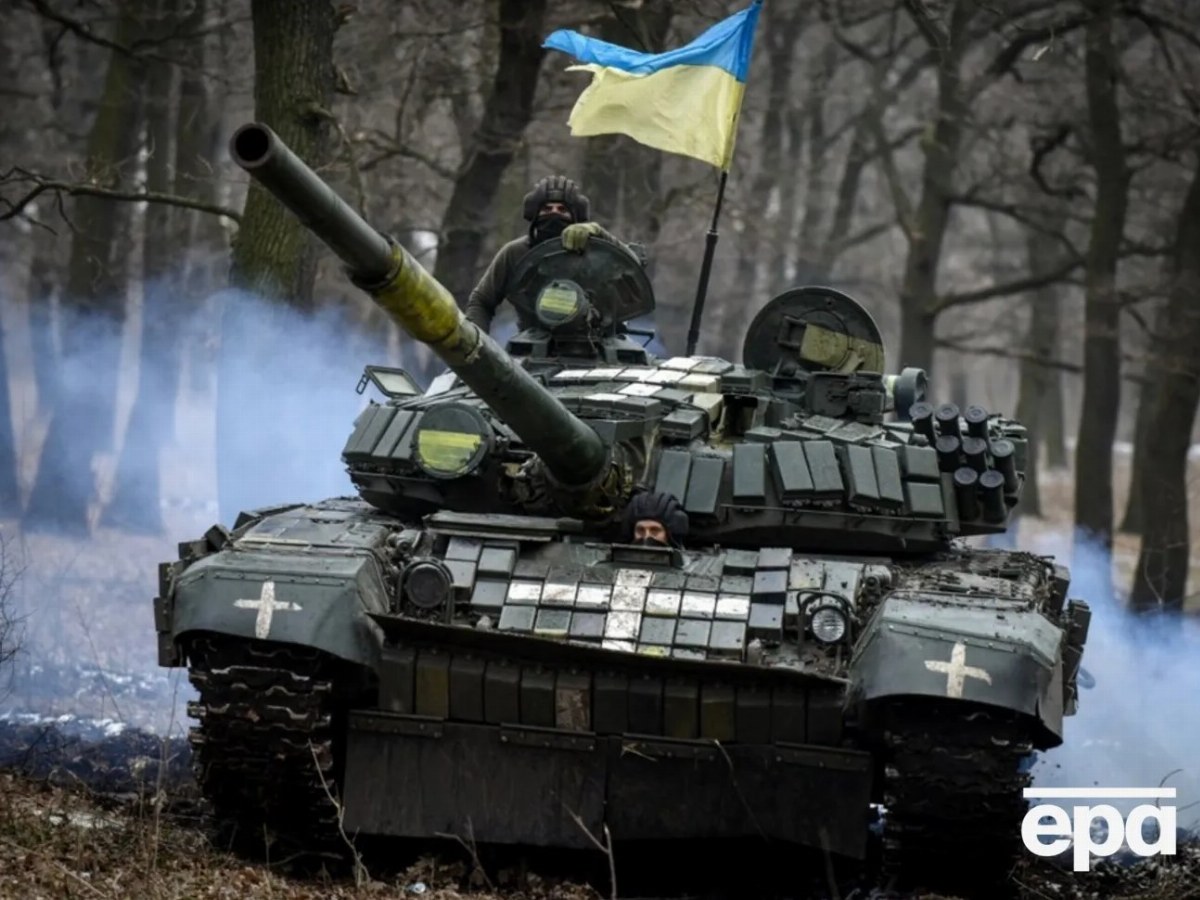
According to reports, Ukraine has successfully adapted its military strategy over the past two years, focusing on reintroducing tanks to the battlefield while countering Russian drone attacks. Previously, Russian drones targeted Ukrainian tanks approaching conflict zones. However, during the summer, Ukraine shifted its approach, launching strikes against Russian drone units, artillery, electronic warfare, and logistical support.
This change allowed for infantry advancements, followed by the deployment of tanks to secure positions. It is believed that some of these tanks were British Challenger 2 models. The movement of tanks to the area near Oleksandrivka in the Donetsk region took eight months, contributing to Ukraine’s recovery of approximately 746 square kilometers of territory.
Initially, Ukraine’s defense forces targeted Russian supply lines at varying depths. About 16 kilometers from the front, they aimed to prevent the influx of new drones and artillery, while up to 40 kilometers away, they diminished Russian artillery capabilities. Strikes on reconnaissance drones extended to approximately 96 kilometers, and attacks on key logistical routes reached over 160 kilometers into the rear. In May alone, Ukrainian forces reportedly conducted over 200 strikes on Russian vehicles, hampering their ability to sustain front-line units and causing shortages of water, food, and ammunition.
Concurrently, Ukrainian forces intensified efforts to hunt down Russian Shahed drones, radars, and electronic warfare systems. Russian operators gradually retreated, taking with them the equipment that supported their operational zone.
Moreover, Ukraine began intercepting communications among Russian troops. Reports detailed how Ukrainian units hacked the messaging apps used by the occupiers, reading their messages during bombardments. Panicked responses, such as “that was close,” helped pinpoint enemy locations, allowing Ukrainian artillery to target these positions effectively. This was achieved using drones equipped with fake mobile network masts, compelling nearby phones to connect and transmit data, thus identifying active devices and gathering information from Russian military communications.
After weakening Russian defenses, Ukrainian infantry advanced considerable distances, sometimes crossing rivers on foot. Only after securing positions did tanks move in to bombard Russian sites and help maintain territorial control during counterattacks.
The analysis emphasized that this does not signal a return to large-scale armored maneuvers; rather, tanks are now deployed with greater caution. Ukraine has lost several armored vehicles, including an American Abrams tank, yet Western tanks have withstood certain small drone attacks. This approach has been applied across various fronts.
The United Kingdom is closely studying Ukraine’s experience, having supplied Challenger 2 tanks and modernizing its own fleet to Challenger 3 specifications. Reports indicate that the British army is planning a 20-40-40 model, where 20% will be crewed platforms, 40% reusable drone systems, and the remaining 40% expendable resources, including one-time drones and munitions. Experts noted that while the operational zone remains, Ukrainian forces can now maneuver more safely through areas that were previously nearly impassable. They suggested that if this approach continues to develop, it might eventually pave the way for larger tank maneuvers, although many obstacles still remain.