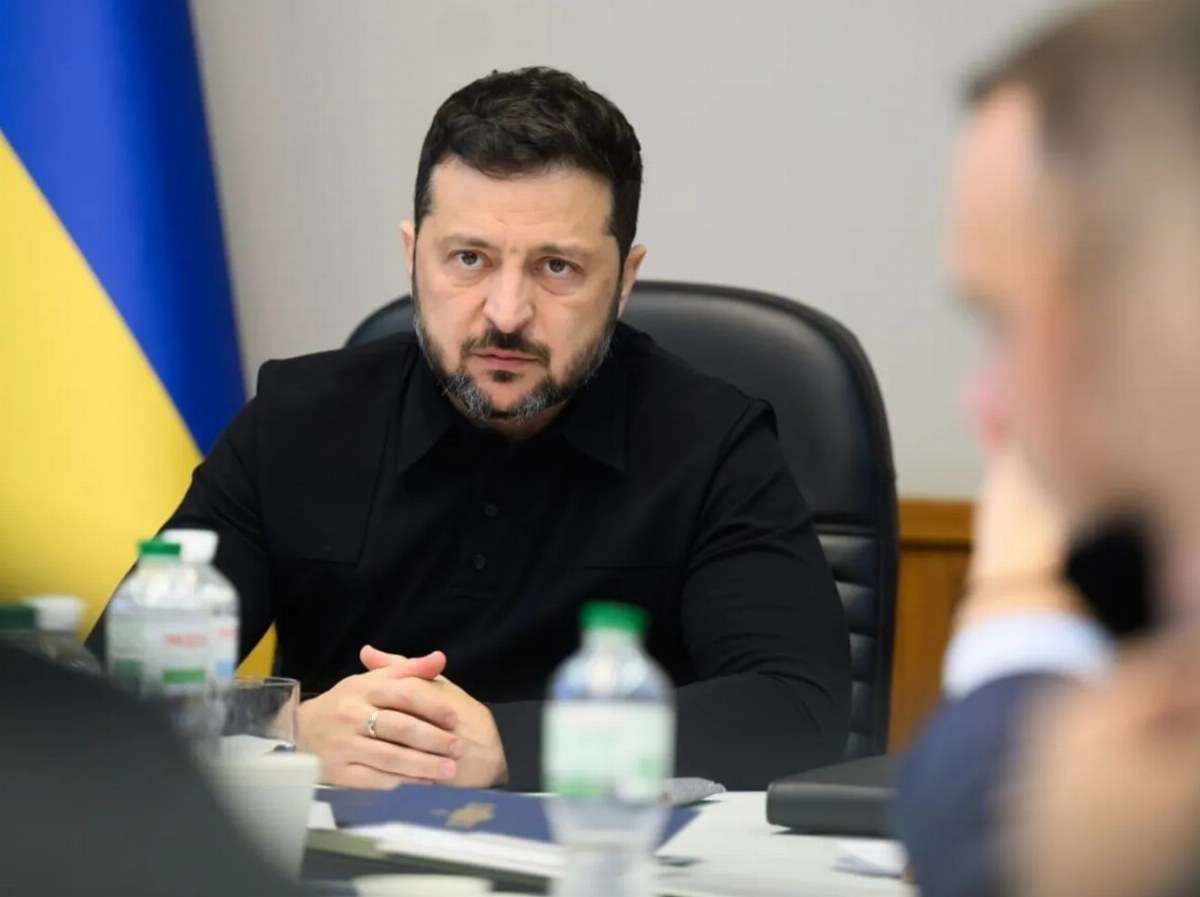
Ukrainian President Volodymyr Zelensky recently addressed the media regarding the surge in drone attacks by Russia, revealing that over the past week, Russian forces launched 135 drone strikes, more than 50 of which were ballistic. He reported that one individual lost their life due to these assaults, particularly highlighting an attack on a medical supply depot in Sumy and a communication facility in Dnipro, causing injuries to six people.
Zelensky noted that a total of 1,900 drones had been employed against Ukraine during the week, alongside 1,700 aerial bombs and 25 missiles. “These terrorists are targeting ordinary residential buildings and critical infrastructure, disrupting daily life and leading to power outages in several communities. Our emergency services are actively responding to these incidents,” he stated.
In his comments, Zelensky emphasized the responsibility of the aggressor state, Russia, in this ongoing escalation and underscored the importance of international support for Ukraine against such acts of terror.
Additionally, he commented on the unannounced visit of German Chancellor Friedrich Merz to Kyiv, praising Germany’s continuous leadership in ensuring the safety of Ukrainian citizens from Russian attacks. “We are grateful for all the support we receive and are preparing agreements to enhance our defense capabilities in Ukraine and across Europe. Stopping Russia requires collective effort,” he concluded.
Context
- On September 29, The Economist reported that Russia was initiating a tripartite campaign of bombings, sabotage, and political chaos aimed at Kyiv. A source indicated that Putin had escalated his aggression, ordering attacks on all civilian targets to instill fear in the populace.
- On October 2, The New York Times revealed that Ukrainian intelligence had intercepted a Russian plan for the most severe bombardment in the conflict’s history, potentially involving up to 1,000 missiles, drones, and bombs, targeting power outages in major cities to create a humanitarian crisis this winter.