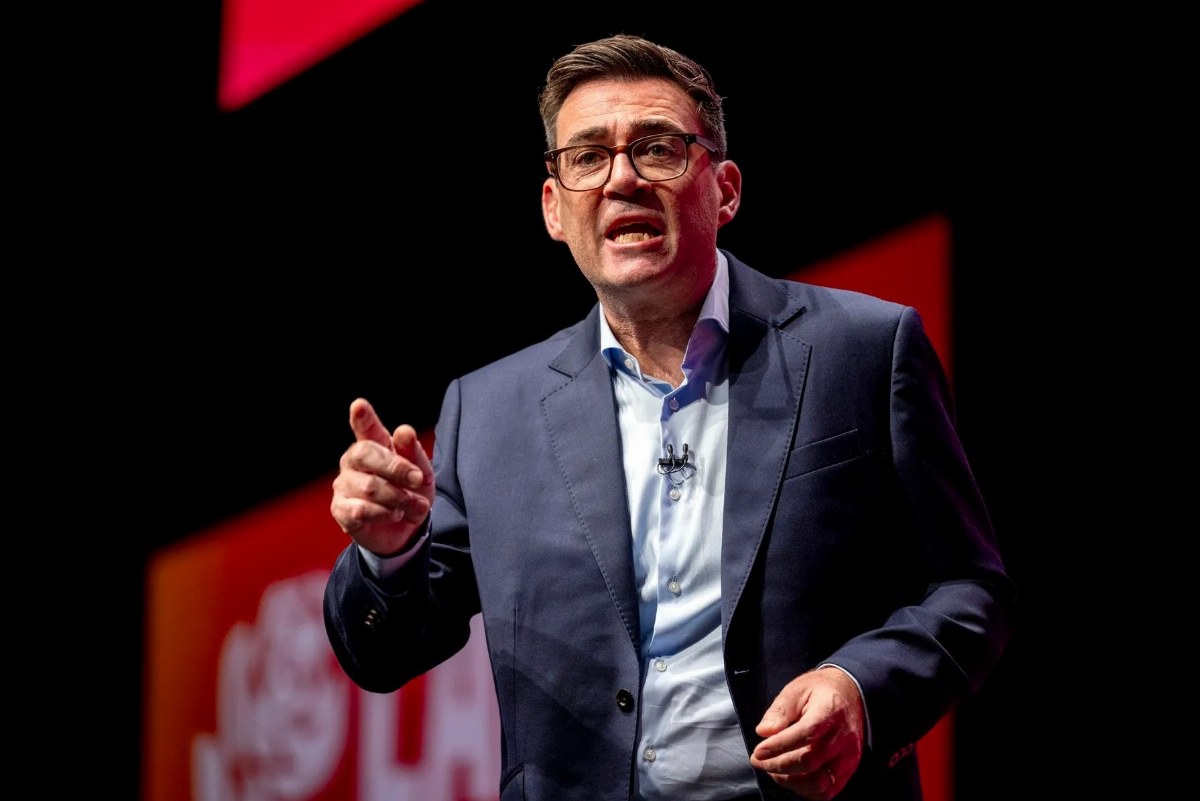
Andy Burnham, the Labour Prime Minister who took over from Keir Starmer in July, stated that the United Kingdom should explore various options for its future relationship with the European Union, including the possibility of rejoining the bloc during his lifetime. This initiative faces political opposition and emerges amid complex geopolitical shifts.
In a recent BBC interview, Burnham expressed the need for the UK to evaluate different models for its long-term relationship with Europe and determine which offers the best path forward.
Potential Options
“We could remain as we are, which is certainly an option if people feel this is the right place to be,” Burnham said. He also referenced George Osborne’s proposal for a customs union and the Liberal Democrats’ suggestions regarding single market membership as alternatives worth analyzing.
Burnham emphasized that these options should be assessed based on their feasibility and the advantages and disadvantages of each.
“Brexit Has Caused More Harm Than Good”
The UK voted to leave the EU in 2016, ending over four decades of membership and triggering years of political turmoil as successive governments grappled with the economic and diplomatic repercussions of that decision. Burnham plans to use the upcoming November summit between the UK and the EU to present options for the future relationship with the bloc.
He remarked, “I am very clear, and I will say it bluntly: Brexit has caused more harm than good.” He added, “The question is, what do we do about it?”
Public Opinion: Do Britons Want to Rejoin the EU?
A YouGov poll conducted in June revealed that 55% of voters support a new application for EU membership, while 34% oppose it. When asked about closer ties with the bloc, 59% favored a more connected relationship that does not involve full re-entry into the EU, single market, or customs union.
The EU has welcomed the idea of closer relations with the UK to bolster security and defense, though it has not established specific goals for the November summit.
Burnham’s push for a reformed alliance with the EU aligns with the efforts of his predecessor, Keir Starmer, but his ability to forge consensus will be tested in a country still grappling with the instability caused by Brexit.
Richard Tice, vice-chairman of the Reform UK party, criticized Burnham’s approach, stating, “Andy Burnham has barely been Prime Minister for five minutes and is already trying to sneak us back into Brussels through the back door.” Tice asserted that Reform UK will never let this perceived betrayal go unchallenged.
Recent polling indicates that the Labour Party holds a slight lead over Reform UK, while the Conservative Party trails by a few percentage points.
A Complicated Moment
Burnham’s advocacy for closer ties with the EU comes during a time when the threat of a major war in Europe and the influence of former President Donald Trump on trade, defense spending, and geopolitics are reshaping global alliances. Trump has pressured Europe to take responsibility for its defense capabilities in light of Russian aggression while aggressively using tariffs to bolster the US economy.
In this context, the UK has unsuccessfully sought to join a collective European defense investment program and is pushing Brussels for inclusion in a broader production initiative called “Made in Europe.”
Ten Years of Brexit
Brexit has significantly impacted the UK economy, with costs accumulating over the last decade, outweighing any benefits. This tumultuous period has also seen political instability, resulting in the appointment of a seventh Prime Minister in the past ten years. Growing regrets over Brexit have emerged, with nearly half of Britons in a summer survey stating that the reality has been worse than they anticipated.
While the true cost of Brexit is difficult to estimate amid concurrent crises such as the COVID-19 pandemic and rising geopolitical tensions, analysts have concluded that the UK economy is currently 4 to 6% smaller than it would have been had it remained in the EU.
Reducing Exports to the EU
Brexit has led to a 12% decline in UK goods and services exports to the EU and a 16% drop in imports from the bloc, according to the Centre for European Reform (CER). Agricultural and food exports have been particularly hard-hit, falling by nearly 30% due to new border controls that have made exporting unviable for many small firms.
Despite these challenges, the UK’s trade in services has fared better, with a surge in demand for online services during the pandemic. However, many economists attribute this growth to the pandemic rather than any post-Brexit benefits.
Brexit has allowed the UK to sign its own trade agreements, replacing those established by the EU, but despite securing 39 agreements covering 72 countries, this has not compensated for the significant trade losses with the EU.
Even with the additional costs and obstacles presented by Brexit, Europe remains the UK’s largest trading partner, accounting for over 40% of its trade.
Migration Impacts
One of the most significant effects of Brexit has been on migration. Contrary to supporters’ claims that it would reduce immigration, the UK has experienced a surge of people from outside the EU, who face different visa requirements and bring diverse skills, reshaping the labor market. Sectors such as hospitality and healthcare are especially affected, facing additional costs and disruptions due to the loss of their traditional workforce.