Tusk comments on Russian attack near Polish border and Starlink station fire
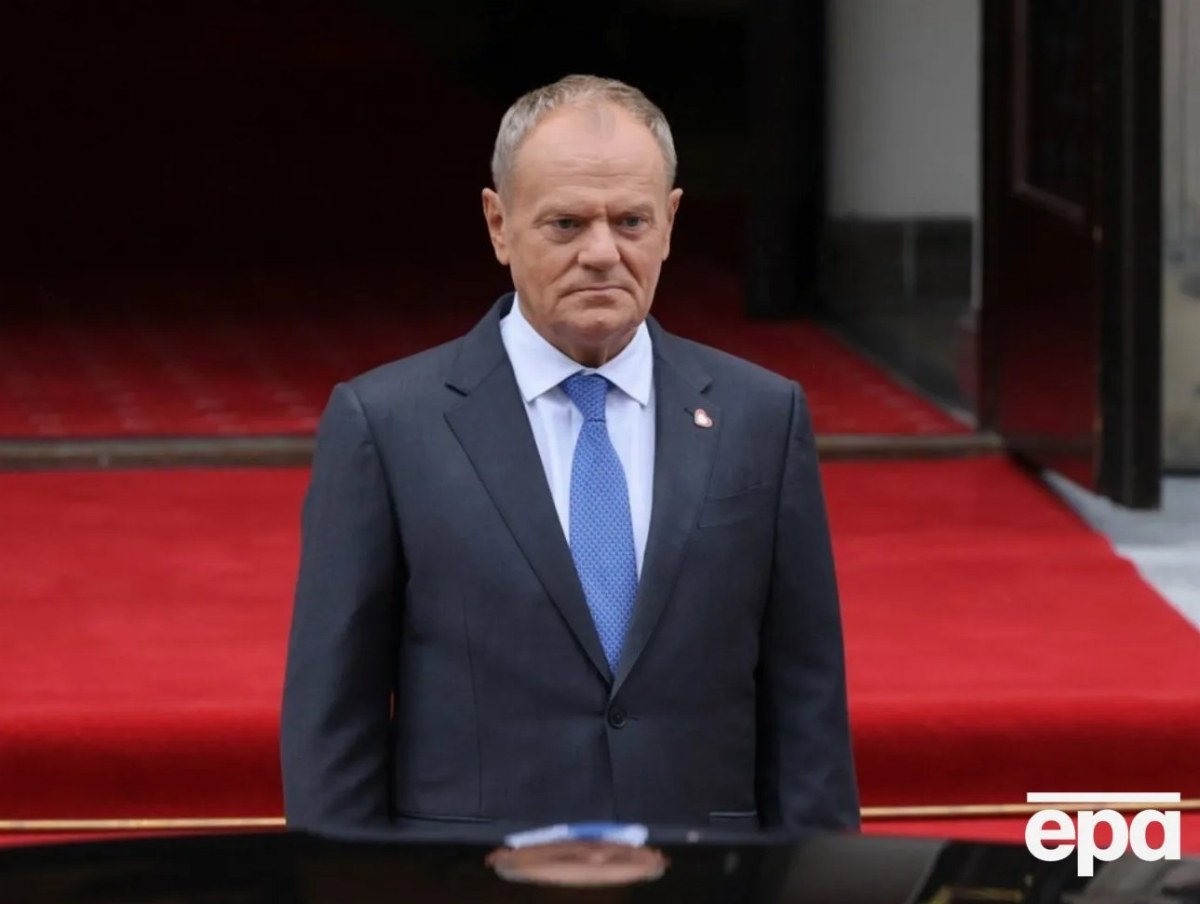
Polish Prime Minister Donald Tusk has raised alarms regarding a fire at a Starlink communication station, suggesting that it may not have been accidental. This station is crucial for internet connectivity across Poland and into Ukraine, serving as a key hub for Starlink systems.
During a press conference, Tusk explained that the fire appeared to be aimed at incapacitating the station, potentially leading to widespread internet outages that could disrupt banking operations, ATM functions, and access to essential services.
Deputy Minister Gavkovsky supported Tusk’s concerns, stating that such attacks align with a “new doctrine” of aggressor countries like Russia. He noted that, instead of conventional military incursions, Poland faces threats aimed at disabling internet infrastructure, which could result in critical shortages of water, gas, or electricity and cripple the financial system.
While it remains uncertain who is responsible for the incident, Gavkovsky highlighted multiple indicators suggesting it could be part of a covert warfare strategy that aligns with Russian military tactics. Tusk expressed his reluctance to label the fire as sabotage without complete certainty, but remarked that the situation undeniably “looks bad.”
On the same day, Russian forces conducted attacks on locations near the Polish border in Ukraine, prompting Poland to evacuate border crossings at Hrubieszów and Dorohusk.
Context
- The ground station in Wola-Krobowska, along with a similar facility near Kaunas in Lithuania, provides internet access to a significant portion of Central and Eastern Europe, as reported by RMF24.
- Western intelligence has indicated that Russian military intelligence utilizes former Wagner Group structures for sabotage operations in Europe, according to Financial Times.
- The Telegraph reported in August that Russian intelligence had launched a new wave of sabotage targeting European factories producing weapons and equipment for Ukraine.