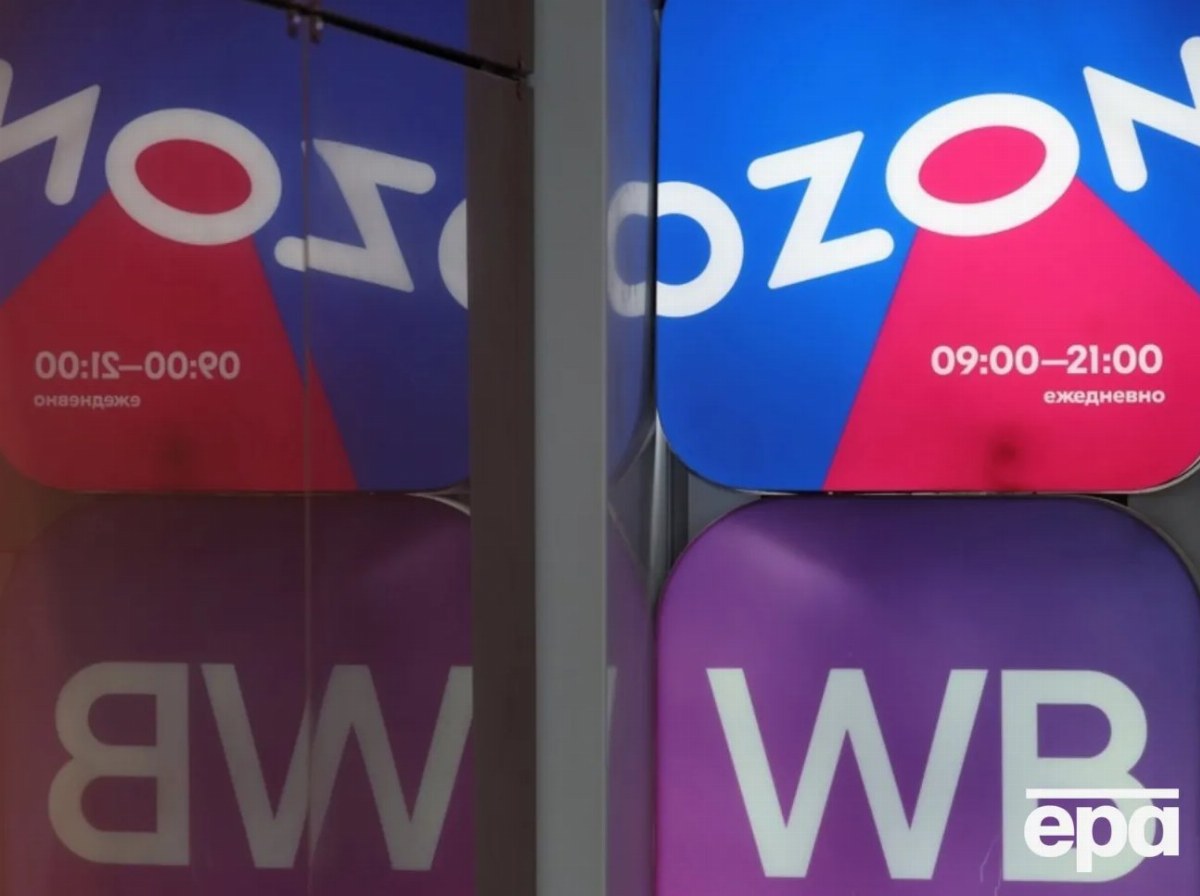
Wildberries and Ozon are experiencing an unprecedented increase in lawsuits, attributed to successful Ukrainian strikes on their logistics networks, according to reports. Between July 15 and September 15, 2026, RWB, the legal entity of Wildberries, received 599 new lawsuits, marking a 53.6% rise compared to the same period last year. Ozon, represented legally by ‘Internet Solutions’, faced 236 new cases, more than double its previous annual total.
The majority of these claims come from small seller companies that have lost goods due to attacks on marketplace warehouses. Systematic strikes on Wildberries facilities began on July 18, followed by assaults on Ozon warehouses starting August 25. The International Marketplace Development Association estimates that over 400,000 sellers have been affected, with total damages ranging from 600 to 800 billion rubles.
The Marketplace Sellers Union explained that the increase in lawsuits stems from the loss of goods. Some complaints are also linked to payment delays, which Wildberries attributes to cyberattacks. Sellers reported missing about 20 billion rubles in revenue from sales at the end of July.
Experts note that the marketplaces are attempting to mitigate substantial financial losses in court by citing force majeure circumstances. Sellers are utilizing internal company reports detailing incurred damages as evidence in their claims.
Context
- Since mid-July, Ukrainian forces have actively targeted the logistics hubs of Russian company Wildberries. The Ukrainian Ministry of Defense reported that Ukrainian units struck 15 of Wildberries’ largest logistics hubs, after which, as stated by the ministry, “it was Ozon’s turn.” A distribution complex of Ozon in Chapayevsk, Samara region, was hit by FP-1 drones on the night of August 22.
- On August 12, The Moscow Times reported that goods worth 480 billion rubles ($6.2 billion) were destroyed at Wildberries’ warehouses, an amount comparable to the annual budgets of large and wealthy Russian regions such as Krasnoyarsk Krai (527 billion rubles) or Khanty-Mansi Autonomous Okrug (476 billion rubles).