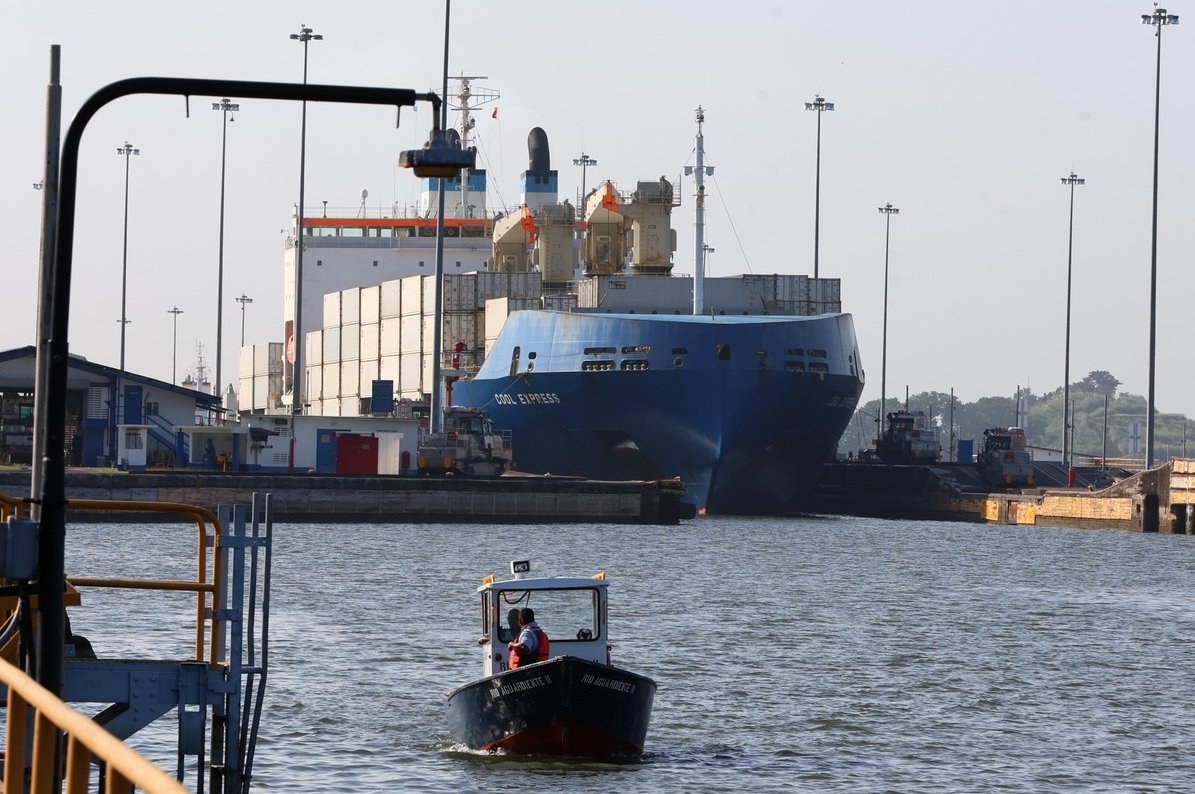
On August 10, a large container ship made headlines after paying an astounding $4 million to expedite its transit through the Panama Canal, leaving behind other vessels unable or unwilling to pay such a hefty fee. This incident highlights the high cost of time amidst the ongoing effects of El Niño.
At the start of August, dozens of ships were waiting their turn to navigate the Panama Canal, with some vessels stranded for over a week, and one chemical tanker having been stuck for more than a month.
Logistics company Flexport, which had 30 containers aboard the aforementioned vessel, reported that the congestion at the Pacific end of the Panama Canal has reached its worst point since May, primarily due to the tensions surrounding the Strait of Hormuz.
The situation is further complicated by the exceptionally strong climatic phenomenon known as El Niño, which threatens the canal’s transit capabilities.
El Niño Alters Shipping Conditions
Global weather patterns are shifting, as this record-anticipated El Niño is causing dry seasons to become wetter and rainy seasons to become drier in various regions. This latter phenomenon is impacting the Panama Canal, a crucial junction in global shipping through which about 5 percent of the world’s maritime trade passes.
The narrow, 80-kilometer artificial canal runs through Central America, linking the Atlantic and Pacific Oceans while shortening travel time and fuel consumption. The United States is the canal’s largest user, accounting for approximately 70 percent of all goods that either pass through or are destined for the U.S.
The Panama Canal utilizes a system of locks to move ships through the isthmus. These locks, water-filled chambers, raise and lower vessels much like steps. Historically fed by fresh water from Gatun Lake, the extreme drought conditions experienced during El Niño in 2023 and 2024 have caused water levels in the lake to hit record lows, reducing the number of ships able to transit from 36 daily to 24.
The rainy season in Panama commenced in May and will continue through December. In June, the National Oceanic and Atmospheric Administration officially announced the onset of a new El Niño, projected to be historically potent, peaking between October and December. For Panama, this means that the already drier rainy season is likely to worsen.
Rainfall Up to 40% Lower
Since May 1, Panama City has recorded only 75 percent of its average rainfall. Other regions, like the western city of David, have experienced even harsher conditions, receiving just 60 percent of their average precipitation over the last 90 days. Overall rainfall in the canal basin since May has been 34 percent below historical averages, as reported by the Panama Canal Administration.
In response to lower water levels, the canal is adjusting its operational protocols. One approach involves modifying the draft of vessels passing through the locks. Draft refers to the vertical distance from the water surface to the lowest point of the ship’s hull, determining how deeply the ship sits in the water. The Panama Canal Administration has announced a draft limit of 48 feet (14.6 meters) — down from the customary 50 feet (15.2 meters) — which will be enforced starting September, with further reductions anticipated.
A decreased draft means vessels must lighten their cargo weight, leading to higher transport costs for consumers, as reduced cargo capacity translates directly into increased shipping prices.
Transit Fees on the Rise
Some shipping companies are already feeling the impact of these restrictions. Mediterranean Shipping Company (MSC) announced on August 12 that the reduced capacity limits have compelled it to raise transit fees for passage through the Panama Canal. These increases will take effect on September 12 and apply to shipments from Southeast Asia, China, Korea, and Japan to the eastern and southern coasts of the U.S.
Authorities have also begun to limit the number of ships allowed to pass through the canal daily. Starting September 4, a maximum of 34 ships will be permitted daily, with that figure dropping to 32 as of September 15.
Experts warn that these restrictions will likely exacerbate existing delays and transit fees. While the current measures may not be as severe as those seen during previous El Niño events, “there remains a risk that the situation could deteriorate,” states Henry Ziemer, an analyst at the Center for Strategic and International Studies.
Up to $4 Million for Transit
Not only are draft limits and reduced capacity driving up shipping costs — auction slots for canal passage are also becoming increasingly expensive.
The Panama Canal operates on a reservation system, where ships book transit slots in advance. For ships that have not reserved a slot, the canal usually offers three to five slots daily via auction.
Heightened demand for canal transits, spurred by tensions in the Strait of Hormuz, has already driven average auction prices from $100,000 to approximately $380,000, with one auction slot commanding as much as $4 million, according to Ilya Espino de Marotta, the canal’s deputy administrator.
Experts agree that these inflated prices will ultimately be passed on to consumers, just as they were during previous supply chain disruptions linked to El Niño.
Land Transport Costs Also Rising
The rise in costs will not only affect goods transiting the canal. The domino effect has also impacted land transport.
If severe congestion occurs in the canal, ships may deliver cargo to the West Coast ports of the U.S., where trucks will then transport the goods cross-country. This scenario restricts land transport availability, raising transport costs and the prices of numerous goods that may not even travel through the canal.
Armenak Shahbazian, president and co-founder of logistics firm Polo 4PL, notes that his team is already witnessing the impacts of El Niño on the canal, with rising demand for land transport, detours, and higher fares being passed on to clients. His team has seen many cancellations from importers once sending goods through the canal to the East Coast or Texas, now considering rerouting to California’s ports in Los Angeles and Long Beach. Fearing drought effects on their shipments, they are no longer seeking the cheapest option but rather one that ensures timely delivery.
Alternative Solutions in the Works
In response to the impending effects of El Niño, the Panama Canal Administration is working towards making operations more sustainable, especially since the canal’s freshwater source also serves two million residents in nearby communities — nearly half of Panama’s population.
The Rio Indio reservoir project aims to create a new lake to supply the canal, increase water storage capacity, mitigate the effects of low water levels, and provide a safeguard against future droughts. However, this initiative is still in its early stages, with construction yet to begin.
The Panama Canal Administration is also pursuing the construction of a pipeline for transporting liquefied petroleum gas (LPG) to reduce the necessity of large LPG ships transiting through the canal.
Increased shipping traffic brings revenue to the canal and Panama, providing a financial cushion before the anticipated challenging months ahead.