Ukrainian strike drones, capable of traveling hundreds of kilometers into Russian territory, have targeted not only oil refineries and military facilities but also major logistics centers of Russia’s online retail giant, Wildberries. The implications of these attacks are beginning to surface in Russia.
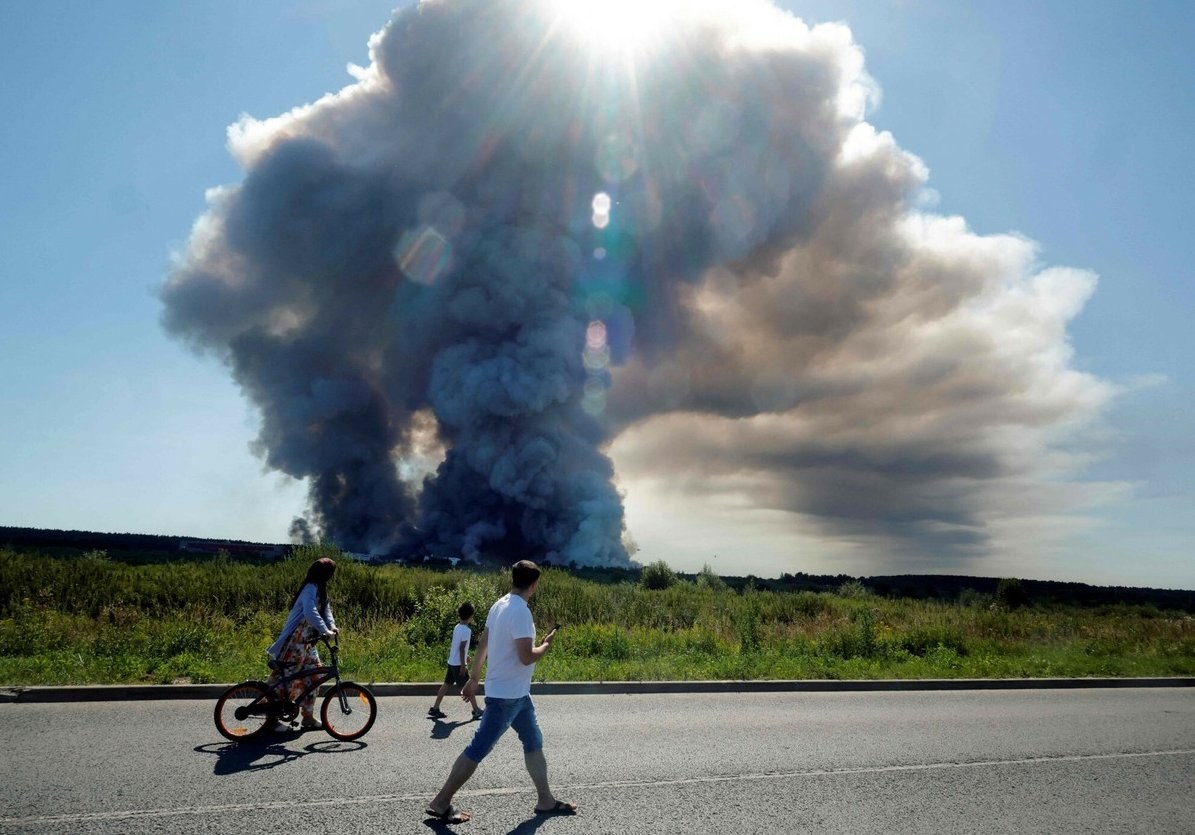
Over the past two weeks, long-range drones have struck at least ten Wildberries facilities, the leading e-commerce company in Russia. Since July 18, drone strikes have targeted warehouses located in the Moscow region, St. Petersburg, occupied Crimea, and various other regions across Russia. These assaults have resulted in extensive fires and have claimed at least nine lives.
The economic ramifications of this offensive are becoming evident. The campaign of strikes from Kyiv is widely seen as an effort to pressure the Russian economy by undermining one of its largest online commerce entities. RWB Group, which owns Wildberries, reported that last year its gross merchandise volume (GMV) reached approximately $73 billion.
It is estimated that the attacks in July led to a loss of over 9% of the company’s warehouse capacity. Like Amazon, Wildberries operates an online platform allowing vendors to list products and utilize its warehouses for storing goods before shipping them to customers.
Consequently, a significant portion of the destroyed products belonged to individual vendors. Vendors utilizing Wildberries also provide tactical gear, dual-use goods, and components for drones, which Ukraine cites as justification for its attacks.
Russian Economy Feeling the Pressure
Russia is starting to feel the consequences of these actions. State-controlled Sberbank reported on Wednesday that around 300 companies holding loans have sought deferrals or changes in financing terms following the attacks. The bank indicated that it may need to increase reserves to cover potential defaults. CFO Taras Skvortsov noted that no decisions have yet been made, but expressed optimism that the retail market would navigate this situation successfully.
Billion-Dollar Losses
On July 7, Wildberries revised its compensation policy, classifying the drone and missile attacks as acts of God. This means the company is not liable for the loss of goods belonging to vendors. Russian Forbes estimated on July 21 that the initial two Ukrainian strikes resulted in at least $1.87 billion in damages. Since then, additional significant drone assaults have impacted eight more warehouses.
Founded in 2004 by Tatiana Kim, a teacher who launched the service from her Moscow apartment, Wildberries has rapidly grown to dominate the e-commerce market in Russia, currently accounting for more than half of all online orders in the country. According to Bloomberg, Kim is the richest self-made woman in Russia, with her fortune estimated at $8.1 billion.
In 2021, Wildberries acquired a small regional bank to streamline payment processing and financing for its vendors and customers. Kim stated to Russian media that Wildberries would compensate some vendors for the loss of goods destroyed during the strikes, although she did not disclose the extent of this assistance. If the attacks continue, covering all losses could prove to be a significant burden for the company, which reported a net profit of $2.1 billion in 2025.
Ukrainian President Volodymyr Zelensky did not mention Wildberries by name but confirmed that Kyiv had conducted attacks on Russian warehouses. “The aggressor was using them to supply components under sanctions for drone production and navigational equipment,” Zelensky stated on July 18, referring to the first two targeted warehouses.
The Kremlin has denied that Wildberries supplied the Russian military. Spokesman Dmitry Peskov accused Ukraine of targeting “civilian sites.” However, Wildberries had listings for items such as drone control goggles, tactical vests with ballistic plates, and food rations tagged as “Everything for SWO,” referring to the “special military operation,” Russia’s term for its war against Ukraine. Early this week, this tag was removed from the Wildberries website.
It remains uncertain what types of drones Ukraine utilized for the strikes against the warehouses. Fire Point, a manufacturer of one of the most commonly used Ukrainian long-range drones, reported that its rotary drone FP-1 was employed in at least one attack in Ryazan.
Ukraine has consistently emphasized that the aim of long-range strikes is to limit Russian revenues and disrupt economic activity to create internal pressure that could weaken Moscow’s ability to continue the war.