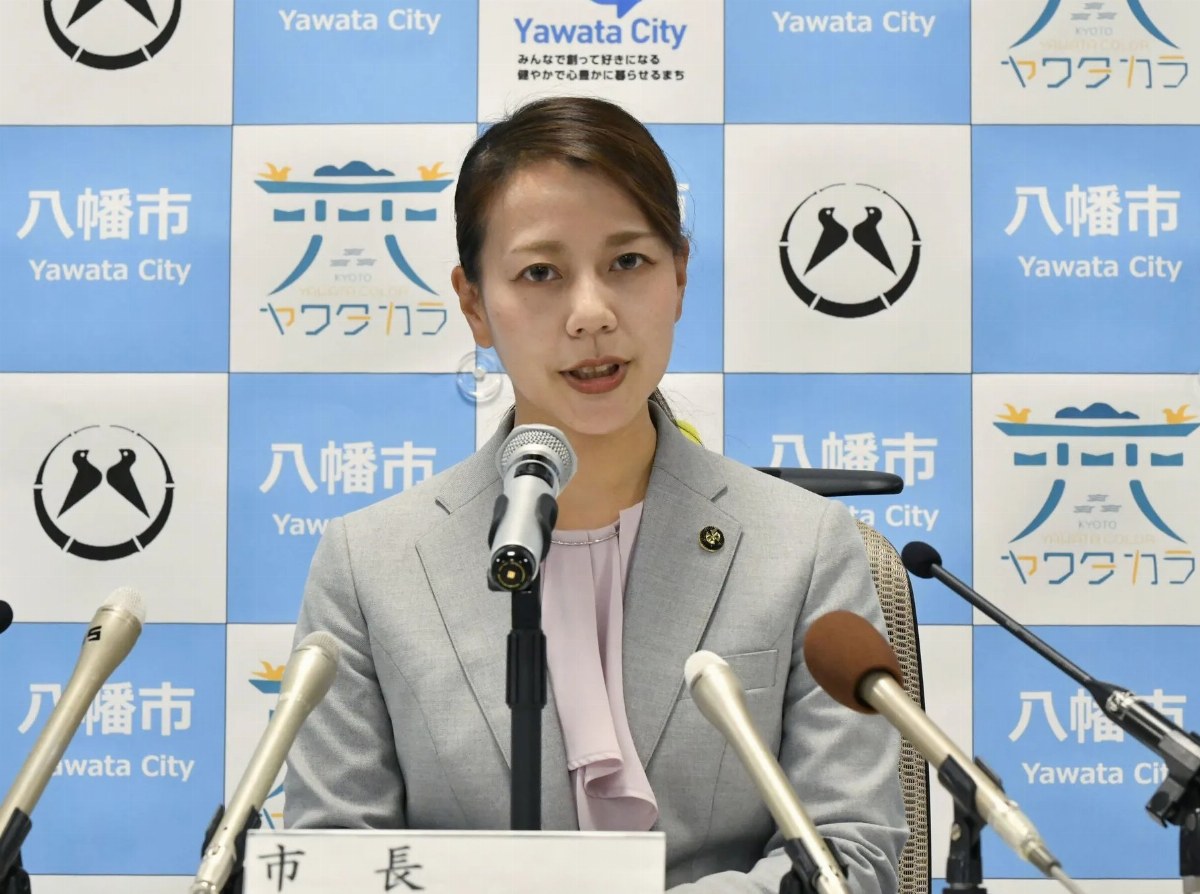
Shoko Kawata, the mayor of Yawata, Japan, has made history by becoming the first sitting female mayor in the country to take maternity leave. Her decision, announced on Monday, has sparked a mix of support and criticism, garnering international media attention, according to reports from Reuters.
Kawata, who became Japan’s youngest elected mayor at the age of 33 in 2023, expressed her desire to have children shortly after taking office. She noted that while employees at Yawata’s city hall are entitled to 16 weeks of maternity leave, there was no existing protocol for mayors, prompting her to establish one herself.
“I was very surprised to learn that I am the first mayor to take maternity leave. This realization made me aware of the lack of young women or women in general in mayoral positions until now,” Kawata said during a press briefing at Yawata City Hall, which serves a population of approximately 69,000 residents.
Prior to her maternity leave, Kawata participated in a street procession for a local festival, modifying the tradition by walking rather than riding above the Shinto altar due to her advanced pregnancy.
Maternity Leave Regulations in Japan
Despite Sanae Takaichi becoming the first female prime minister of Japan last year, significant gender gaps persist in the nation’s political landscape, which remains male-dominated. In the latest Gender Gap Report by the World Economic Forum, Japan ranked 118th out of 148 countries, and 125th in terms of political representation and power.
Kawata emphasized the need for reforms, especially as Japan faces one of the world’s lowest birth rates amid an aging population. Legally, women in Japan are entitled to approximately 14 weeks of maternity leave, typically receiving about two-thirds of their salary along with a birth allowance. Public sector employees sometimes enjoy more favorable conditions.
“While discussions about gender equality and work reform are ongoing, we need to build a society where individuals, regardless of their profession—including those in leadership roles—are not discouraged from having children. Otherwise, I believe the continuous population decline resulting from low birth rates and the consequent economic deterioration are inevitable,” she stated.
Kawata Addresses Online Criticism
Kawata shared that most residents of Yawata support her decision, and her colleagues encouraged her to take maternity leave. However, she expressed disappointment over some negative online reactions following media coverage of her situation. The mayor’s child is expected to be born in September.
“People who had never heard of me before learned about my story solely because of my maternity leave. Some criticized me online, suggesting that I am not fulfilling my duties and that I am only in office to take maternity leave. It was disappointing,” she remarked.
Most Yawata residents interviewed by Reuters expressed support for Kawata’s choice. Nevertheless, some, including local resident Chie Fujita, questioned the appropriateness of her receiving full pay during her leave. “As a woman who has given birth, I believe she should be able to take leave. However, regarding her salary, I disagree with her receiving 100% while on leave,” Fujita said.