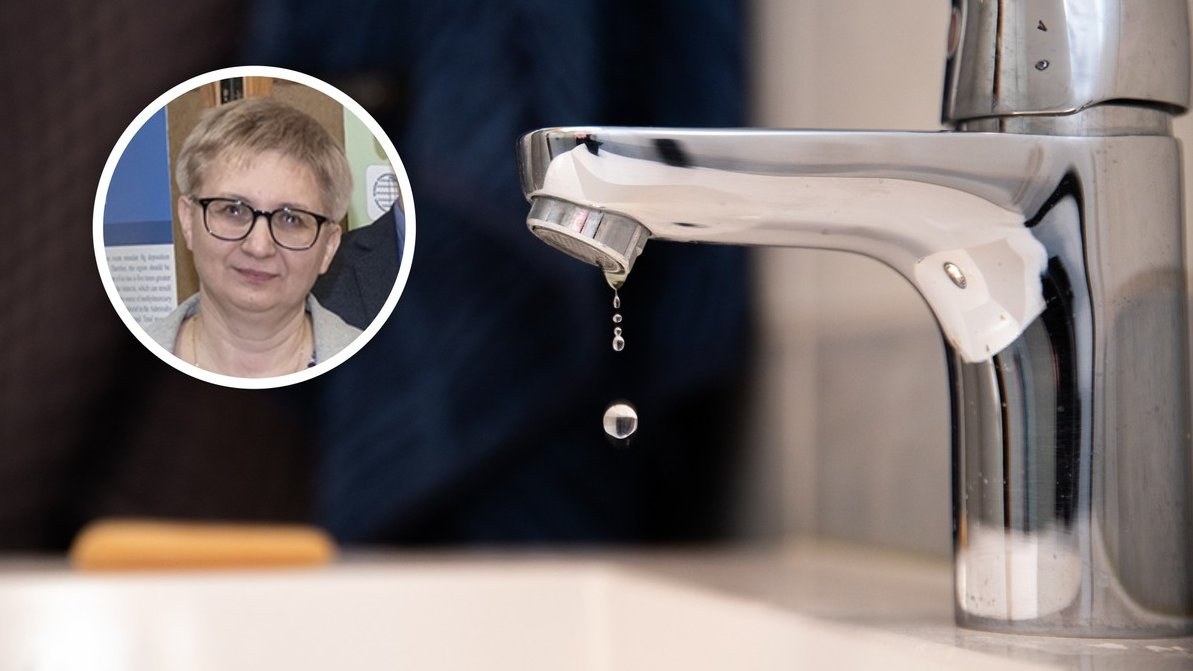
Experts are warning that due to increasing temperatures and insufficient rainfall, Poland could face significant water shortages, particularly in rural and suburban areas. Kubiak-Wójcicka highlights that the existing water infrastructure may not be able to meet the growing demands, leading to potential supply issues.
Water supply systems are often limited by technical parameters, leading to decreased pressure in the network when demand peaks, resulting in shortages for some consumers. This situation is especially evident in rural communities where the number of buildings and new connections to water mains is increasing, but no new water sources are being developed. Moreover, the existing infrastructure is not adequately sized to meet current consumption needs.
Regions Most at Risk in Poland
Kubiak-Wójcicka stresses that every water utility should maintain diversified water supply sources to prevent shortages. In larger cities, monitoring of major water sources is usually effective, but smaller municipalities face more significant challenges. The cost of developing new water sources can be prohibitively high for these communities, which often prioritize maintenance and emergency repairs over comprehensive modernization.
Regions with the least water resources, such as Kujawy, Wielkopolska, and central Poland, are under the greatest threat. These areas, despite having good agricultural soil, suffer from low water reserves and rainfall. Kubiak-Wójcicka points out that residents in rural areas are particularly vulnerable due to outdated infrastructure that cannot keep pace with their water needs. Meanwhile, in large urban centers, excessive water extraction is lowering underground water levels.
Local Tensions Over Water and Conservation Strategies
Access to water can also lead to social tensions. Some landowners may believe they can use water freely because it is found on their property, often leading to conflicts. Kubiak-Wójcicka suggests that measures to mitigate water shortages should occur at multiple levels, focusing on water retention, household savings, and supporting natural conservation efforts.
During periods of drought, it is crucial to reduce water usage and capture excess water during rainy seasons. Collecting rainwater in tanks for later use is one effective method. Kubiak-Wójcicka recommends modern irrigation systems that efficiently utilize available water, suggesting that residents water their lawns early in the morning or late in the evening to minimize evaporation and protect plants from thermal shock.
Investment and Attitude Change Needed for Water Management
According to Kubiak-Wójcicka, long-term solutions require both local and national actions, emphasizing the necessity of educating residents about water scarcity. She advocates for initiatives that demonstrate practical ways to save water and manage garden watering schedules effectively.
However, changing individual behaviors is not enough; systemic investments are essential. Nationally, comprehensive strategies must be implemented to enhance both surface and underground water retention capabilities.