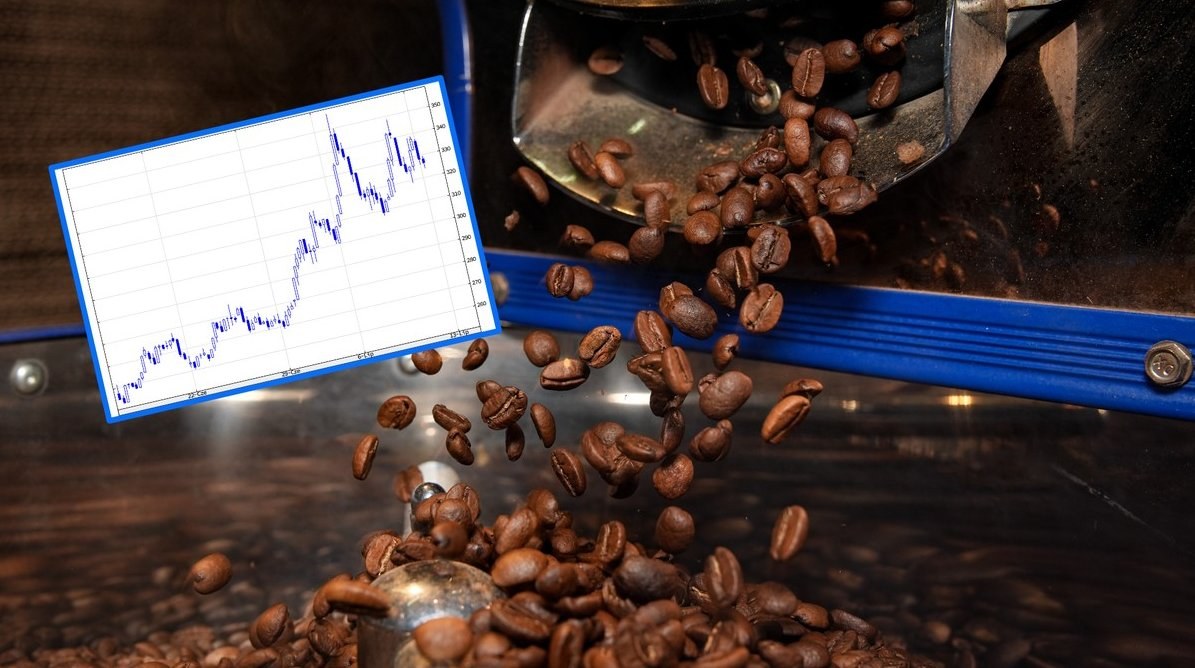
Coffee prices are experiencing a resurgence on global markets, driven by the impacts of El Niño, according to the International Coffee Organization (ICO). Recent declines in stocks and poor harvest forecasts suggest that elevated prices may persist longer than anticipated.
Initially, a drop in coffee bean prices during the first half of 2026, following a peak around 430 cents per pound in 2024 and 2025, seemed to offer relief. However, that relief has proven short-lived.
Although the average Composite Indicator Price (I-CIP) recorded by the ICO in June 2026 was 248.9 cents per pound—a decrease of 2.8% from May—prices surged in recent days.
Coffee Prices Climb 35% in a Month
The ICO has highlighted a significant reduction in Arabica coffee supplies, with certified stocks in U.S. warehouses dropping 13.3% in June to 410,000 bags, the lowest level since February 2024.
This combination of dwindling stocks, weather uncertainties, and harvesting delays in Brazil has heightened market concerns about coffee supply for the 2026/27 season, leading to a strong price rebound by the end of June.
The start of July saw prices escalate further, climbing to as high as 350 cents per pound, reaching near-record levels for the year. In one day, certain coffee varieties saw a 15% increase, marking the largest single-day rise in 26 years.
The primary driver of coffee price volatility has been adverse weather conditions, which may be attributed to climate change. Coffee plants are particularly sensitive to high temperatures, drought, heavy rainfall, and pests. Arabica, the most commonly traded variety, is particularly vulnerable to temperatures exceeding 30 degrees Celsius and is directly affected by weather anomalies.
According to Climate Central, the number of days with high temperatures negatively impacting coffee cultivation has increased by an average of 57 days annually in Brazil, Vietnam, Colombia, Ethiopia, and Indonesia—countries that collectively account for about 75% of global coffee production. In Brazil, the largest producer, the increase has reached approximately 70 days.
Weather Disruptions: Heavy Rains and Droughts
Weather patterns have shifted dramatically, with reports of no rainfall at the beginning of July. “Coffee crops are particularly sensitive to variable weather, and such a 180-degree shift can drastically alter harvest prospects for this and the next season,” experts noted.
Meteorologists recently indicated a 67% chance of a destructive “Super El Niño” event, which poses risks to the proper flowering of coffee trees. Reduced yields will lead to lower supply, further driving prices upward. Additionally, technical factors in the financial market may have contributed to this price spike.
Analysts at XTB pointed out that Arabica stocks monitored by the ICE have fallen to their lowest level in over two years, indicating an emerging shortage in physical supplies. Similar challenges are being faced by other major producers, with Vietnamese farmers, a key producer of Robusta, battling early drought conditions and severe cost pressures—fertilizer and fuel prices have surged 30% year-over-year, while labor costs have risen by another 33%.
In a related note, cocoa prices have also shown similar trends, sharply increasing in previous years and then declining in 2026, but recent months have seen notable gains. The reasons echo those in the coffee market: excessive rainfall in West Africa has flooded transport routes and led to tree disease outbreaks, negatively impacting previously unsold cocoa, which may now be unsellable.