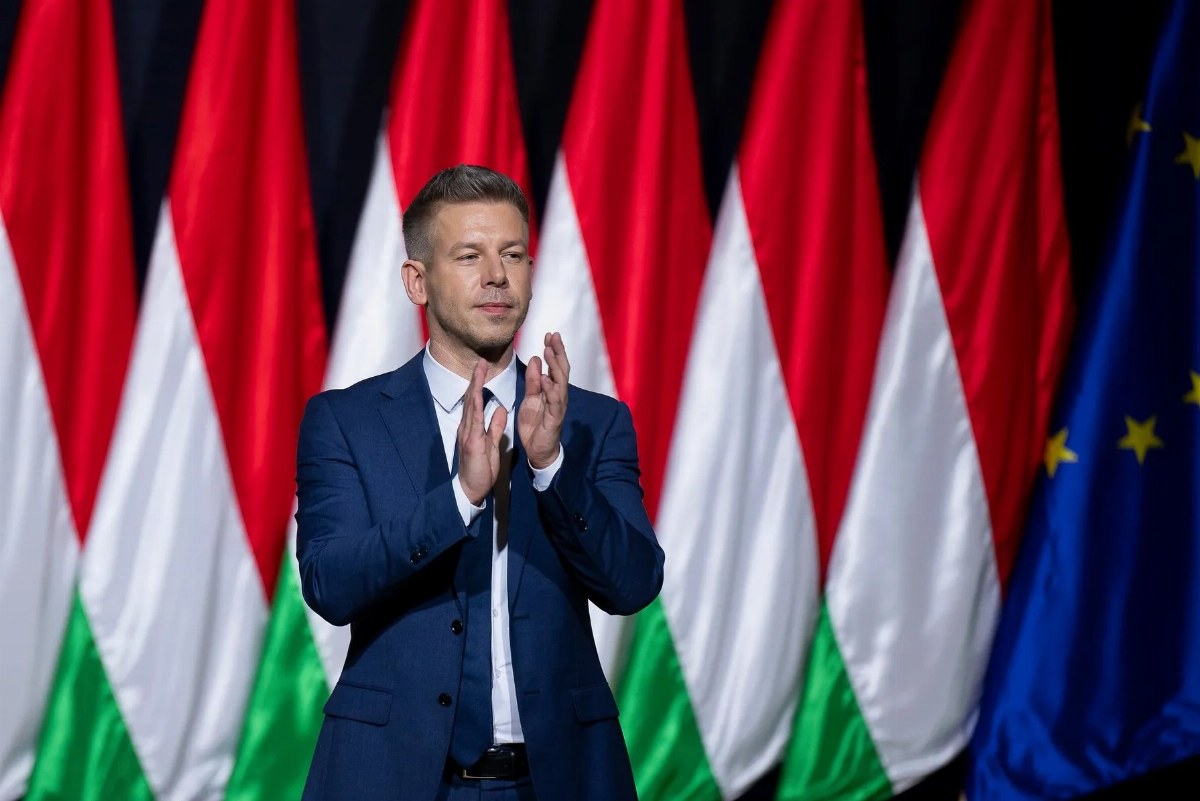
Hungarian lawmakers are facing intense pressure as they must rapidly review a series of legislative proposals introduced by Prime Minister Peter Magyar. This initiative, termed “Operation Purifying Fire,” is aimed at dismantling the political system established by former Prime Minister Viktor Orban. According to reports, Magyar’s campaign has unfolded just two months after he took office on May 9, continuing at a breakneck pace to fulfill his promised regime change following his landslide victory in April’s parliamentary elections.
During Orban’s 16-year tenure, he reshaped Hungary’s institutions, creating an “illiberal democracy” that served as an ideological model for various figures, including former U.S. President Donald Trump. One of Magyar’s primary goals is to unlock approximately €16 billion in EU funds that were frozen due to Orban’s controversial actions against judicial independence, media freedom, and the LGBT community.
Aiming to Release EU Funds
The new administration has quickly introduced an anti-corruption bill and a measure to dismantle the National Sovereignty Defense Office (SZVH), an agency established by Orban to investigate alleged internal and external interference, particularly concerning foreign funding of NGOs. The closure of this office was demanded by the European Commission.
Magyar has also launched a remarkable attack on public media, accusing it of bias towards Orban’s Fidesz party. Recently, the main television and radio channels suspended their news broadcasts pending the establishment of new editorial structures.
“This clearly marks the end of Orban’s politics, which was based on intimidation and propaganda,” stated Zsuzsanna Vegh, a political analyst at the German Marshall Fund.
Controversy Surrounding Magyar’s Methods
Despite his reformist agenda, Magyar’s methods have also sparked controversy. Last month, he announced “Operation Purifying Fire,” which includes a constitutional review aimed at preventing a future concentration of power similar to Orban’s era. Before any constitutional amendments are adopted, the new parliament is expected to vote on a twelve-point amendment that includes the dismissal of Tamas Sulyok, the president elected by the previous Fidesz-majority legislature.
Fidesz alleges that this is an attempt to establish an “autocratic regime,” a charge previously leveled at Orban. Legal experts and NGOs, including Amnesty International, have also condemned the process undertaken by the new prime minister as “unacceptable.” Political scientist Gabor Torok warned that repeated constitutional amendments set a dangerous precedent. Conversely, Marta Pardavi, co-chair of the Hungarian Helsinki Committee, recognizes some amendments as urgent but questions the hasty adoption of measures limiting parliamentary terms to a maximum of 12 years or three mandates, which could prevent many Fidesz MPs from running again in 2030.
Continuities with Orban’s Policies
Although the constitutional reforms are radical, there are areas where Magyar’s policies mirror those of Orban. Like his predecessor, he opposes the EU’s migration policy that requires member states to accept illegal migrants. Additionally, Magyar has not rushed to restore the rights of the LGBT community that were stripped away under Orban. The Pride march was allowed to take place in Budapest in June, after being banned the previous year, with Magyar stating that “everyone is free to love whom they want and live with whom they want.” However, he has yet to repeal any of Orban’s anti-LGBT laws, including the controversial 2021 law restricting LGBT content in media and bookstores, which the Court of Justice of the European Union has deemed contrary to the very identity of the EU.
Overall, Hungarian voters seem to support Magyar’s actions, with his Tisza party maintaining a lead in the polls, coinciding with the decline of pro-Orban media. Several private media outlets owned by businesspeople close to Fidesz have ceased operations or laid off staff recently, unable to rely on state advertising revenues.
“Now, oligarchs are no longer willing to reinvest their ‘loot’ gained through public contracts, as Orban is weakened to the point where no one expects him to return to power,” observed Gabor Polyak from the Mertek Media Monitor think tank.