Airlines and airports are advocating for the suspension of the European Union’s new biometric border control system, known as the Entry/Exit System (EES), during the peak summer vacation period. They warn that some flights are taking off with half-empty seats while passengers are facing wait times of up to five hours, according to The Guardian.
In a letter addressed to European Commission President Ursula von der Leyen, representatives from the aviation sector expressed concerns about the worsening situation during the busy summer months, urging for the temporary suspension of checks under the new system.
“We have reached a critical point,” the organizations ACI Europe, which represents European airports, Airlines for Europe (A4E), and the International Air Transport Association (IATA) stated.
“Passengers have already had to wait long periods outside terminals and on airport tarmacs because border control points are unable to process arrivals quickly enough. Airlines are facing situations where planes are half-empty at boarding closures, while passengers remain stuck in border control queues,” the letter continued.
According to the organizations, some flights have had to delay departures to wait for passengers still undergoing border checks, leading to peak hour queues extending up to five hours. In other instances, planes have departed without a portion of their passengers.
The organizations are requesting that the European Commission allow airports to entirely suspend biometric checks whenever the number of passengers exceeds the operational capacity of border control points during July and August.
Industry representatives warn that border authorities, airports, and airlines are under “unsustainable pressure” and are calling for immediate action to prevent further deterioration during the peak travel season.
Issues Since System Implementation
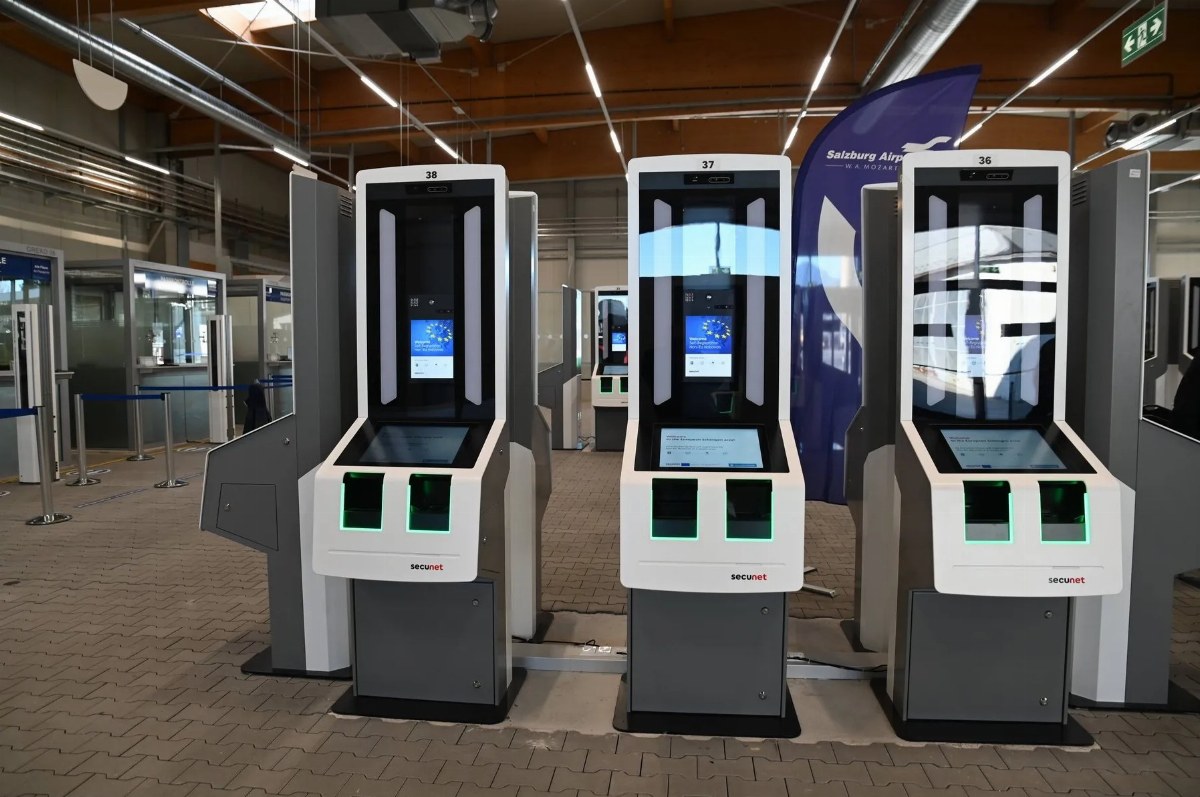
The EES was gradually introduced starting in October last year, mandating non-European Union citizens to register their fingerprints and photograph upon arrival at their destination airport.
However, its implementation has faced numerous challenges. Greece has suspended biometric checks for British travelers until September to avoid congestion during the summer season.
In May, French police temporarily halted additional checks at the port of Dover, while last week, the director of Rome’s airports indicated that he would need to cease implementing the system for non-EU citizens to avoid a “disaster” this summer.
“Some international travelers are reconsidering their plans to visit Europe due to the prospect of excessive delays at the border,” the organizations noted.
Although current rules allow member states some flexibility in applying checks, the letter indicates that excessive queues continue to form despite these exemptions.
The organizations are requesting that this flexibility be maintained even after September, when current exceptions are set to expire, but only under “clearly defined exceptional circumstances.”
Estimates suggest that European airports will serve approximately 40 million more passengers in July and August compared to the previous two months.
“The European Commission and member states must realistically assess the current situation and the challenges the air transport system will face in the coming weeks,” the letter’s signatories warned.
They believe that the option to suspend the new border checks is necessary until there are enough staff to operate the system reliably, and until automated kiosks become fully dependable.