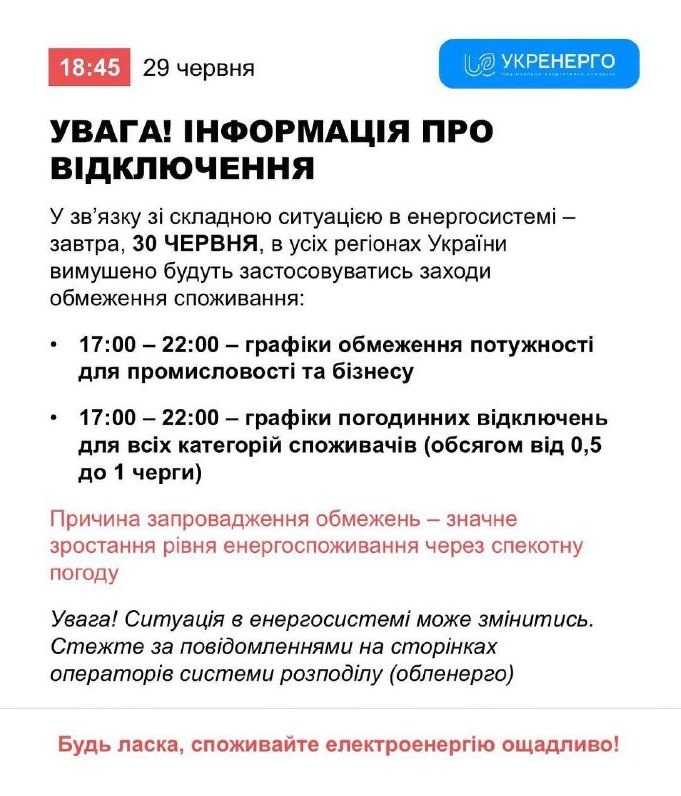
France has reported approximately 1,000 additional deaths linked to a record-breaking heatwave, with temperatures soaring to 40 degrees Celsius in some regions of Europe on Sunday, while others faced severe storms, according to reports.
The French public health agency indicated that the majority of these fatalities involved elderly individuals. They warned that the death toll is expected to rise as more details emerge regarding deaths in care facilities and private homes.
The heatwave that has impacted Western Europe has also reached Romania, which will be under a red heat alert starting Monday morning, with the exception of six counties. “We are nearing the highest temperatures ever recorded at the end of June,” stated Elena Mateescu, director of the National Meteorological Administration.
150 Million People Facing Extreme Heat
Scientists have declared this heatwave, which began on June 20, as the most severe ever recorded in Europe. The extreme heat has disrupted electricity production, damaged infrastructure, and overburdened health systems.
According to Tedros Adhanom Ghebreyesus, the Director-General of the World Health Organization, “Currently, 150 million people live under extreme heat conditions, hundreds have died, schools are closed, and electrical grids are failing.” He emphasized that due to climate change and global warming, such once-in-a-generation heatwaves are now occurring almost annually. He added that homes, workplaces, and schools in Europe were unprepared for such extreme heat.
The heatwave would have been “practically impossible” without human-induced climate change, leading to nighttime temperatures this week that are 100 times more likely than they would have been two decades ago, according to scientists.
Record Temperatures Across Several European Countries
Record temperatures have been recorded in Austria, the Czech Republic, Germany, and Poland, while storms in certain areas of France caused further disruptions in road traffic and electricity supply.
In Germany, rail services were reduced on a major line in North Rhine-Westphalia, and tram services were suspended in Leipzig, with many residents hesitant to leave their homes until after sunset, according to local media.
In Rome, Pope Leo expressed gratitude to parishioners for attending Sunday prayers in St. Peter’s Square despite the sweltering heat.
The extreme heat has also impacted Europe’s rivers, leading to increased temperatures and reduced flow, which poses challenges for electricity production and agriculture.
The Paks nuclear power plant in Hungary once again reduced output on Sunday due to high temperatures in the Danube River, which it uses for cooling. In Italy, the flow of the Po River has diminished, allowing seawater to intrude 18 kilometers inland, raising concerns for agriculture and protected areas in the river delta.
Tragically, dozens of individuals attempting to cool off by swimming have drowned.