Cybersecurity agencies from the Five Eyes Alliance have issued a rare joint statement warning that powerful artificial intelligence (AI) models, capable of destabilizing governments and dismantling corporations, could become available within months.
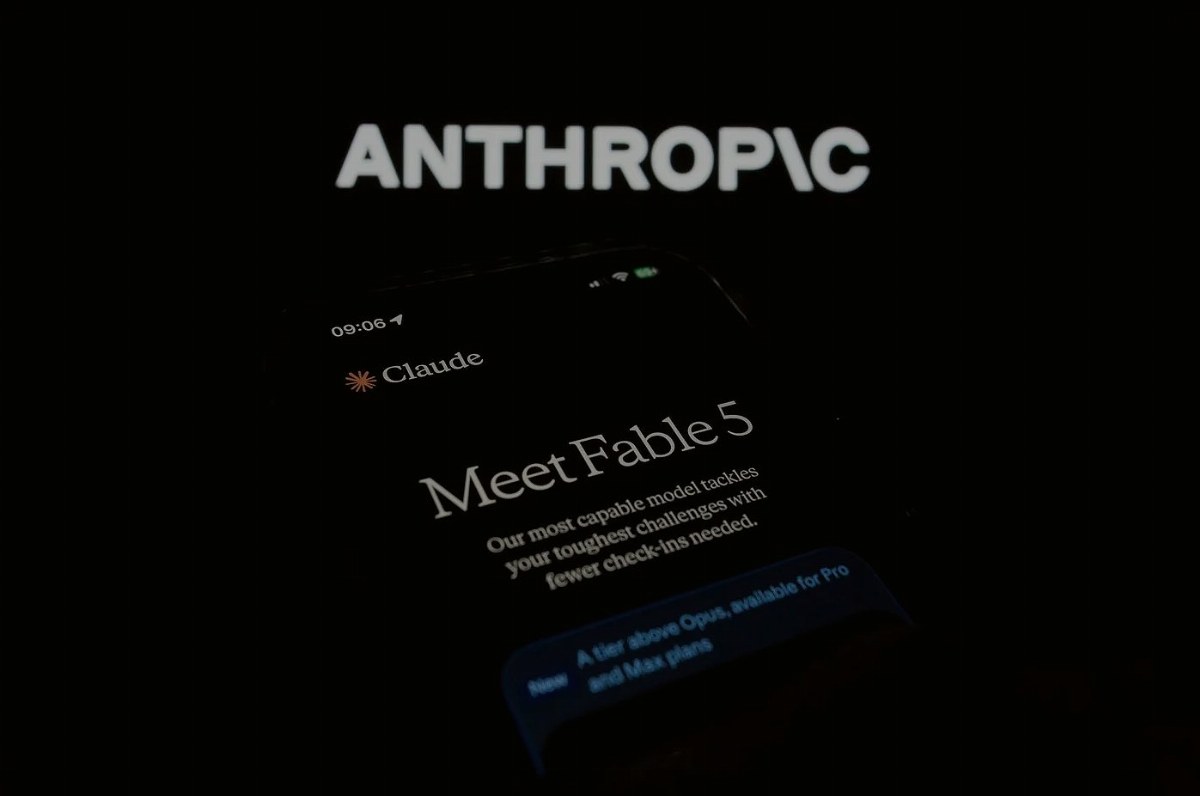
This unexpected public intervention involves intelligence agencies from Australia, the U.S., the U.K., New Zealand, and Canada, urging world leaders to “act now,” as reported by The Guardian. The warning follows the Trump administration’s recent decision to restrict access to an AI model developed by Anthropic, dubbed Fable, which had been heavily promoted.
The statement released on Monday emphasized that while AI is expected to enhance cybersecurity defenses over time, it simultaneously accelerates the scale, speed, and complexity of cyber threats. “Next-generation AI models are projected to exceed current industry expectations, fundamentally altering both offensive and defensive cyber capabilities. We are not talking years, but months,” the agencies highlighted.
In this context, the statement emphasized that cyber resilience is crucial for business continuity, maintaining market trust, and creating long-term value.
Cybersecurity experts cautioned that the rapid advancements in AI technologies would lower barriers for malicious actors while increasing both the speed and intricacy of cyberattacks. “A whole-of-organization and whole-of-society response is necessary,” the statement noted.
“Cyber risk can no longer be viewed as a purely technical issue. It is a significant risk for any business and a responsibility that falls on leadership,” they added.
“We Can Only See Models Already Released”
While the Five Eyes statement did not identify specific AI models or organizations, many experts are focusing on advanced tools developed by Anthropic. One of the latest creations is Fable 5, described as a more accessible version of the Mythos model. Launched earlier this year, Mythos is an AI system capable of identifying vulnerabilities in cyber infrastructures and is exclusively available to verified organizations and companies due to concerns over malicious use.
Both models developed by Anthropic were barred for use by “foreign nationals” in June by the U.S. government, citing recommendations from national security authorities.
Olivia Shen, a national security and AI expert at the Centre for American Studies at the University of Sydney, remarked that much of the world is closely watching Anthropic’s developments, but it is also likely that other highly powerful AI models could emerge in the near future. “I think we should expect the next Mythos or the next Fable to be just around the corner,” Shen stated.
“We can only see the models that have already been released, but it is possible that other models developed by China or other states, organizations, or companies are equally advanced.”
In March, the government led by Anthony Albanese included Anthropic as the first participant in Australia’s national AI strategy. The non-legally binding memorandum of understanding stipulates that signatory companies will provide the government with updates on AI advancements and will help promote the safe use of this technology.
The national plan aims for minimal regulation in the AI sector, seeking to harness the economic benefits and productivity gains that the technology can offer.