2025-10-07 17:53, act. 20125-10-07 18:07
publication
2025-10-07 17:53
update
2025-10-07 18:07
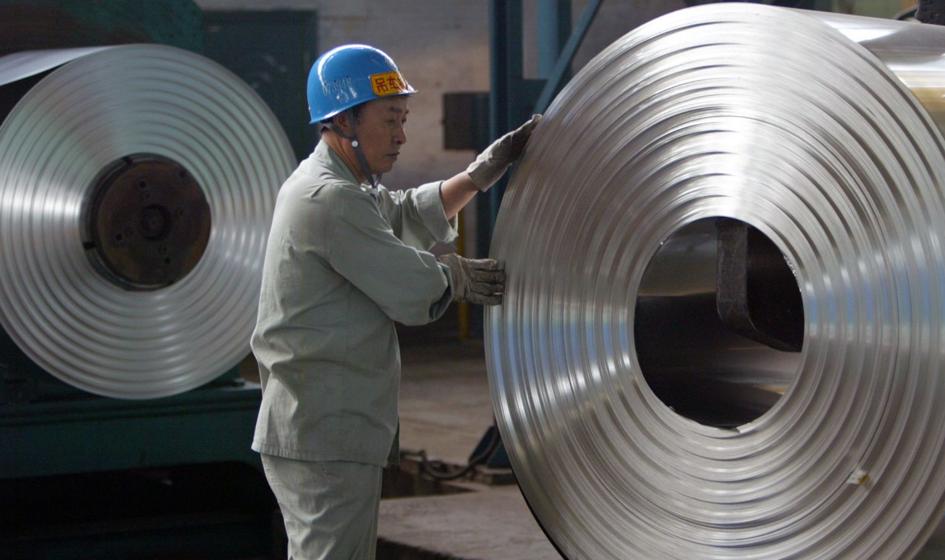
The European Commission proposed on Tuesday to raise duties to steel from 25 to 50 percent. from the middle of next year. The new rate will apply when the import of raw material exceeds 18.3 million tons per year. It is a reaction to overproduction of steel caused, among others Chinese subsidies.
The proposal is to replace the current mechanism of protection of the European Steel market, which expires in mid -2026 to enter into force, it will have to be adopted by member states and the European Parliament.
The EC wants to reduce the size of the steel contingent by nearly half compared to 2024 – Without duties, 18.3 million tons of steel will enter the EU per year. Above this amount, the raw material will be covered twice as high as at the current customs rate, which will amount to 50 percent. In this way, the Union is to return to a more rational level of steel consumption – currently it is 67 percent, while the EC estimates that the market situation is good when this percentage is about 80 percent.
The EC also wants to oblige steel importers to declare the place of its melting and casting. This will allow you to understand the situation on the global market, especially considering that Chinese investments in steel production are significant in many other countries of Southeast Asia, e.g. in Vietnam. The requirement to confirm the smelting country and casting will prevent the entry of steel produced in countries with a surplus of production capacity, and processed in other countries, to the EU market.
According to the EC, the production surplus stood five times exceeds the annual steel consumption in the EU. Currently, it amounts to 620 million tons, and according to OECD in 2027 is to increase to 721 million tons.
Chinese subsidies led to overproduction of steel. As an EU official said on Tuesday, they lead not only to unfair commercial practices on the EU market, but also cause the effect of pushing raw material to the markets of third countries, where steel is sold at lower prices.
The EU steel industry is the third largest in the world. It employs approximately 300,000 directly people and indirectly provide about 2.5 million jobs, and its production plants are in over 20 EU Member States.
According to the EC calculations, the overproduction of Steel led from the loss from 9,000. up to 100,000 Workplace in the EU since 2007
The United States and Canada also introduced duties on the steel.
From Brussels Magdalena Cedro (PAP)
mce/ mms/