'Swiss Brexit' surprise: The elderly, not the young, voted 'No' in the controversial referendum

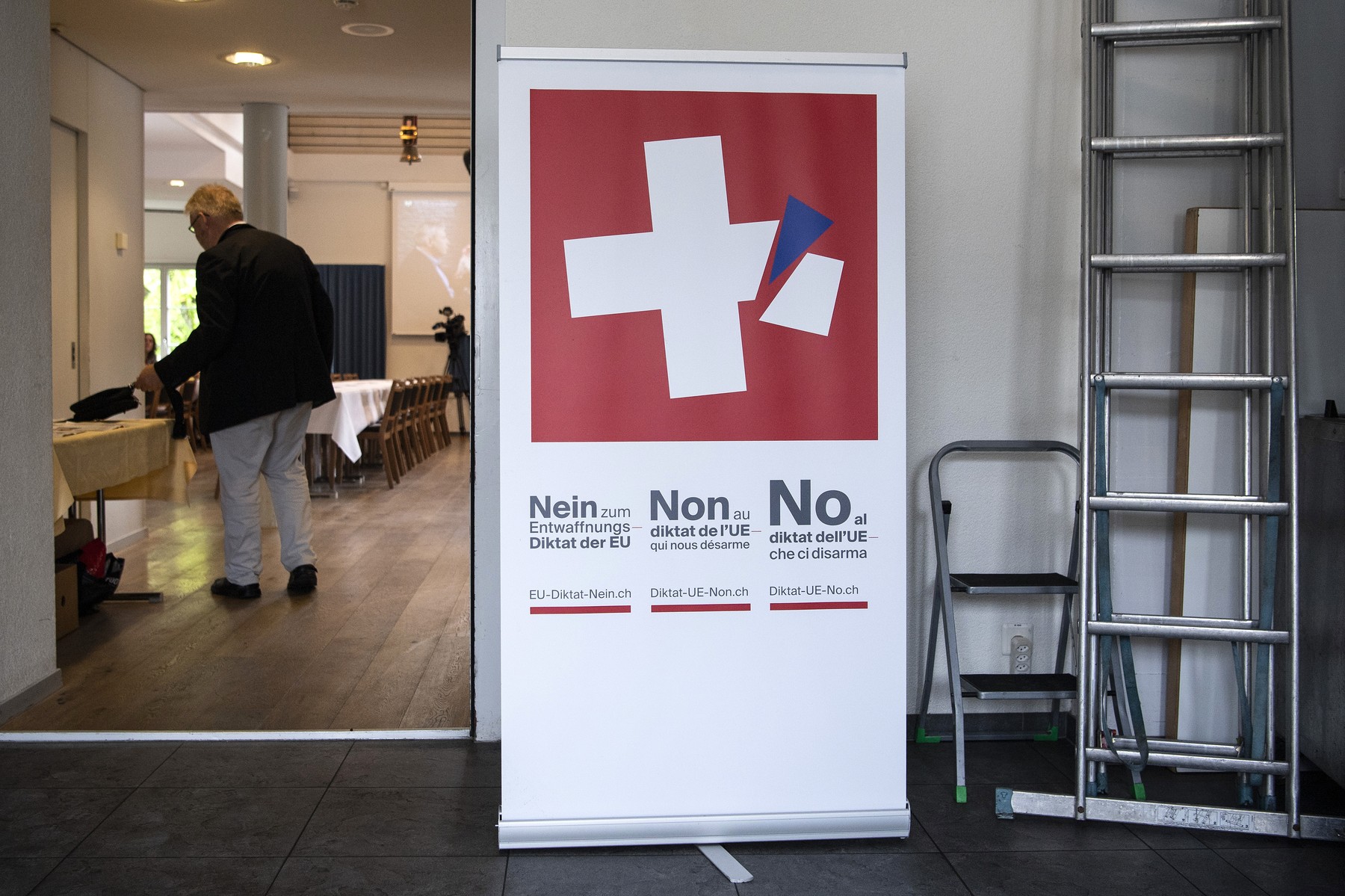
Official counts show Swiss voters have rejected an unprecedented proposal to cap the country's population at 10 million, but polls show it enjoyed strong support among young people, Reuters and The Guardian report.
About 54.79% of voters voted against the proposal made by the Swiss People's Party (SVP), and 45.21% voted in favor of it. The turnout was 58.86%.
Voters aged 65 and over were the most skeptical of the proposal, with 60% of them against the cap, as were 57% of those aged 50 to 64, according to data published by Swiss newspaper Tages-Anzeiger.
By contrast, the most favorable group was that of people aged between 35 and 49, with 51% of them supporting the proposal. Among 18- to 34-year-olds, 48 percent supported her, according to data obtained by online news site 20 Minuten/Tamedia from polling firm Leewas.
The result is almost the opposite of the one recorded in the Brexit referendum organized by Great Britain, where the elderly voted in large numbers to leave the EU, while the young voted overwhelmingly for remaining in the community space.
Why Referendum One Has Been Dubbed the 'Swiss Brexit'
A different outcome would have forced the Swiss government to limit the population, currently 9.1 million, to 10 million by 2050, introducing tough restrictions on family reunification, residence permits and asylum if the population reached 9.5 million before that date.
Cloe Jans, a political scientist at the GFS Bern polling institute, told 20 Minuten that while there was support for the goals of the proposal, the public did not want rigid limits enshrined in law.
“In uncertain geopolitical times, people are not willing to experiment and break bridges unnecessarily,” she said.
The referendum came after a difficult 2025 for Switzerland, which has been saddled with the highest US tariffs in Europe after President Donald Trump was irritated by its president's insistence on the matter.
Switzerland is in the process of ratifying a deal with the European Union that would deepen economic ties, which is why the population limit referendum has been dubbed the “Swiss Brexit”. The campaign against the population cap put up posters with a smiling Donald Trump and the message: “Break up with Europe, right now?”.
According to the proposals, if the threshold of 10 million inhabitants had been exceeded before 2050, the Swiss government would have been forced to withdraw from the free movement agreement with the European Union, thus losing access to the single market of the EU bloc.
The Swiss, however, are concerned about population growth due to immigration
The SVP, the party with the largest number of seats in parliament, has been fueling anti-immigration sentiment for years, particularly regarding workers from neighboring European Union countries.
Switzerland's population has grown much faster than that of surrounding EU member states, growing by 23% since the free movement agreement came into force in 2002.
During the same period, economic output grew by about 24 percent, government data show. According to official statistics, about 27% of Swiss residents do not have Swiss citizenship.
Urs Bieri of the GFS Bern polling institute told Reuters the initiative was not approved because people were not convinced by the plan and feared possible side effects, despite widespread concerns about population growth.
“Voters were concerned about the negative consequences for Switzerland's relations with the European Union and the labor market,” he said. “People are also concerned about issues such as the availability of sufficient numbers of care and health workers. In addition, there is a feeling that in the current international context, it is not wise for a small country to do this,” the analyst pointed out.
The seven-member government, made up of ministers from Switzerland's four biggest parties, including the SVP, collectively opposed the initiative, warning that it would threaten national stability, hurt the economy and reduce the country's prosperity.
And business organizations have expressed concern that a population cap would restrict access to foreign labor, while also affecting the economy and relations with Brussels.