Conclav: Inside the most secret vote in the world. The 133 Catholic cardinals will be closed on Wednesday in the Sistine Chapel

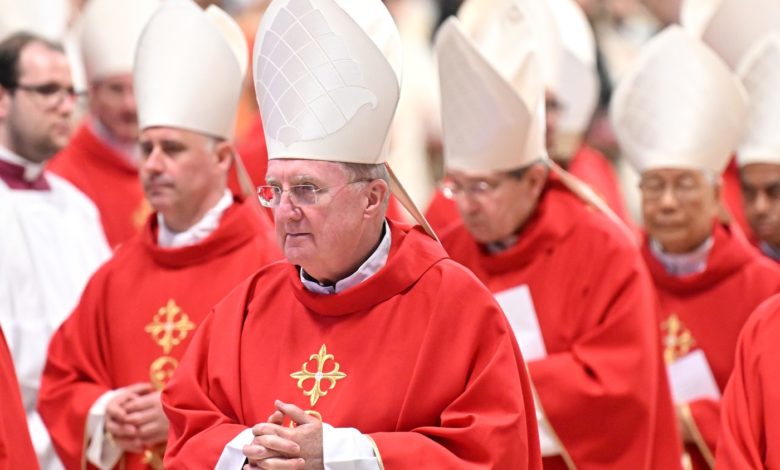
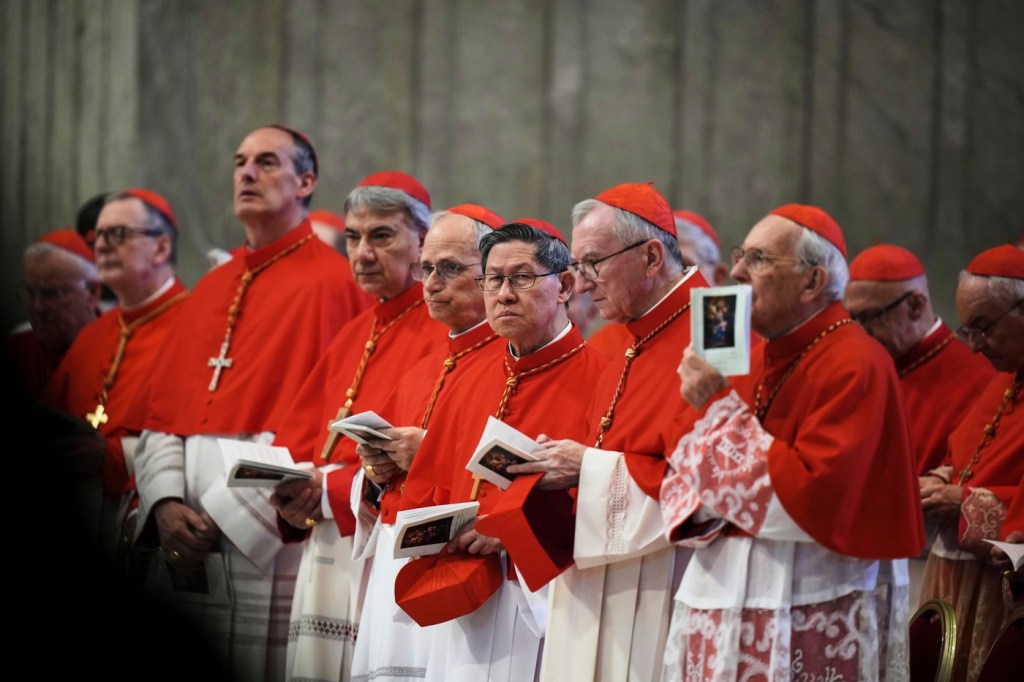
These are the most secret choices in the world. When 133 Catholic cardinals will be locked in the Sistine chapel on Wednesday to choose a successor of Pope Francis, each of them will be taken an oath on the Gospels that he will keep the details secret.
The same is true for each person in the Vatican during the conclave: from the two doctors available for any emergency, to the staff in the dining room that feeds the cardinals. Everyone swears to respect “absolute and perpetual secret”.
To be sure, the chapel and the two guest rooms will be cleaned in search of microphones and audio devices.
“There are electronic jamming devices to ensure that the telephone and Wi-Fi signals do not go out,” said John Allen, the chief editor of the Crux news site.
“The Vatican takes the idea of isolation extremely seriously.”
Total quarantine
Quarantine is not just about maintaining the secret of the voting process.
It also intends to prevent “bad forces” from pirate information or disrupt the procedures and ensure that those who vote are not influenced by the outside world in making one of the greatest decisions in their lives.
Catholics will tell you that the choices are guided by God, not politics. But the hierarchy takes no risk.
At the entrance to Conclav, everyone is obliged to teach all electronic devices, including phones, tablets and smart watches. The Vatican has its own police to apply the rules.
“It goes on confidence, but with all this they are all checked,” said John Allen.
“There are no TVs, newspapers or radio at the Guest House for Conclav – nothing,” said Monsignor Paolo de Nicolo, who was the head of the Papal House for three decades.
“You can't even open the windows because many rooms have windows to the outside world.”
All those who work behind the Vatican's high walls for Conclav have been checked thoroughly. Even so, they are forbidden to communicate with the voters.
“The cardinals are completely deprived of the opportunity to communicate,” said Ines San Martin from the US Pontifical Missionary Societies.
“There will be Walkie-Talkie stations only for certain specific circumstances, such as” do we need a doctor “or” Hey, Pope was chosen, can anyone announce this in the basilica? “
What happens if someone violates the rules?
“There is an oath, and those who do not respect him risk excommunication,” says Monsignor de Nicolo, which means exclusion from the church. “No one dares to do this.”
It is another matter in the period prior to the conclave.
Officially, cardinals are forbidden to comment even now. But from the moment Pope Francis was buried, part of the Italian press and many visitors became cardinal hunters, trying to identify his most likely successor.
They researched the institutions around the Vatican, ready to speculate on any appearances and possible alliances.
“Vin and Rigatoni: the secret dinner of the cardinal” was a title from La Repubblica that described the “princes of the church” enjoying “good Roman lunches” before the conclave.
Cardinal hunting
The reporters then interrogated the waiters about what they could hear.
“Nothing,” one of Roberto's waiters told me this week, a few streets away from St Peter's.
“Always silence whenever we approach.”
The other ideal place to catch a cardinal is right next to the basilica, near the column curve that embraces the main market. Every morning there is a group of cameras and reporters that rush the men in the robes.
Currently, there are almost 250 cardinals in the city, called here from all over the world, although those 80 years old or over voting.
While heading for the Vatican for their daily assemblies to discuss the elections, each is surrounded and bombarded with questions about the progress of the elections.
They did not offer too many answers besides the “need for unity” or assurances that the conclave will be short.
The outside world
“The whole idea is for this to be a religious decision, not a political one,” explains Ines San Martin. “We say that the Holy Spirit guides the conversation and the vote.”
But the pope runs a huge and rich institution, with significant moral authority and global influence on all aspects, from conflict resolution to sexual policy.
Therefore, the chosen man – and his vision and priorities – matters far beyond the Vatican.
Some Catholic monarchs had a veto on elections until 1907. Today, voices from all sides try to influence the debate-most obviously through the media.
At one point, Il Messaggero from Rome was rebuked on an alleged favorite, Italian cardinal Parolin, for “a kind of self-candidacy”.
Then a video was broadcast with the Philippine Cardinal Tagle singing John Lennon's “image” song, apparently released to affect the popularity.
Meanwhile, a glossy book that highlights some potential competitors, praising conservatives such as Cardinal Sarah of Guinea for the condemnation of “contemporary evils” of abortion and “homosexual agenda”.
“There are groups in the city that try to impose controversy on the issues that interest them,” says John Allen. “The cardinals are aware of such things, they read the newspapers. But they will do their best to block them.”
“Are there lobbys? Yes, as every choice,” Ines San Martin agrees. “But it is not as loud as it is believed.”
He claims that this is partially due to the fact that Pope Francis has called so many new cardinals, including new places.
“Fifty or sixty percent of them do not even know each other. So it is very difficult to choose your cardinals from the beginning.”
Stopping the noise
Until Wednesday morning, all voters should be present in the Vatican – devoid of phones and isolated from the rest of the world.
John Allen believes that personal preferences will dominate politics, “liberal” or “conservatives” or “public debate”.
“I truly believe that the discussions between cardinals are currently essential,” said Ines San Martin. “Many spoke to each other for the first time. You never know how much one of them can inspire you.”